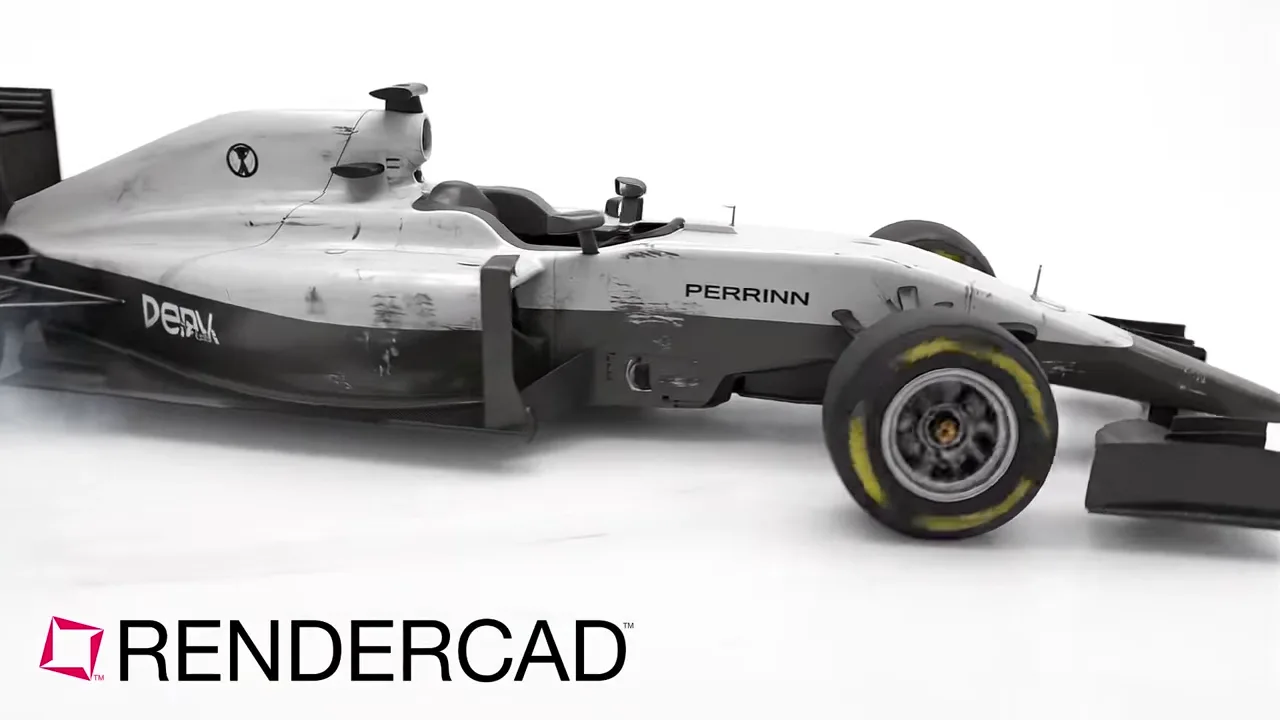
Turn Krita concepts and keyframes into render-style visual directions.
Krita is an open-source digital painting application used for illustration, comics, concept art, texture work, matte painting, and raster animation. Its layered canvas, drawing assistants, and animation tools make it useful for developing a clear visual idea before a render-style exploration or review.


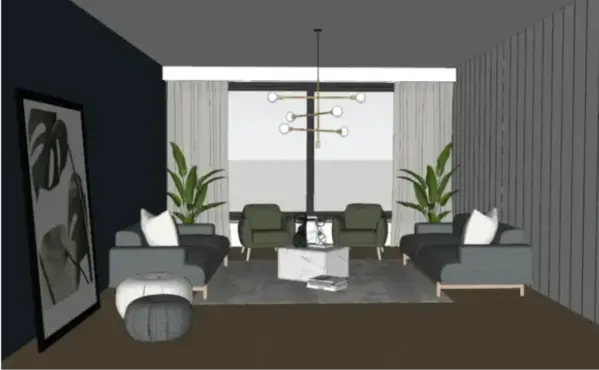
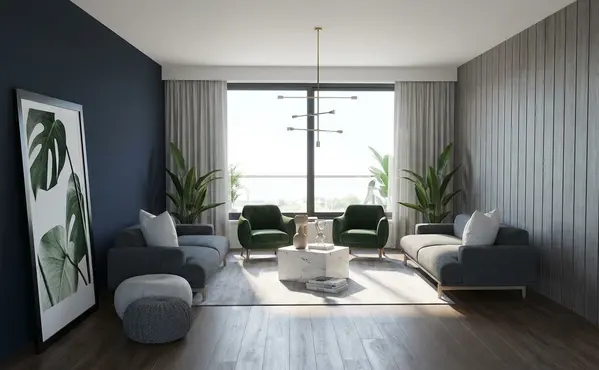


Krita is an open-source digital painting application used for illustration, comics, concept art, texture work, matte painting, and raster animation. Its layered canvas, drawing assistants, and animation tools make it useful for developing a clear visual idea before a render-style exploration or review.
Krita is a strong starting point when a painted concept already establishes the subject, silhouette, perspective, and focal point but a review needs a more resolved visual direction. An illustrator can use a thumbnail, prop sketch, product study, perspective drawing, matte-painting plate, comic background, or representative animation keyframe as the input view. RENDERCAD can help explore plausible lighting, material character, depth, and atmosphere while the painted composition remains the guide. This is especially useful for testing an art-direction route before committing to a detailed paintover, sharing a mood reference with a team, or preparing a visual for a pitch or client review. The selected result can return to Krita as a reference layer or board image. It is not a replacement for the layered Krita document: the artist should retain control of drawing, design decisions, typography, exact continuity, and final illustration work there.
In Krita, resolve one chosen composition and make a clean export view by hiding drawing assistants, guides, onion-skin overlays, reference images, and unfinished layers. Flatten or export a PNG or JPEG that clearly shows the intended crop and subject. For a texture study, show the tile and its surface character clearly; for animation, choose a representative still or keyframe rather than treating a sequence as one request. In RENDERCAD, describe the subject, desired materials, lighting direction, camera feel, mood, and the silhouettes, colors, or layout that should stay close to the painting. Compare several visual directions against the original, then bring the useful result back into Krita as a reference layer for paintover, a review frame, or an art-direction board. Keep Krita as the source of truth when exact line work, layered edits, or frame-to-frame consistency matter.
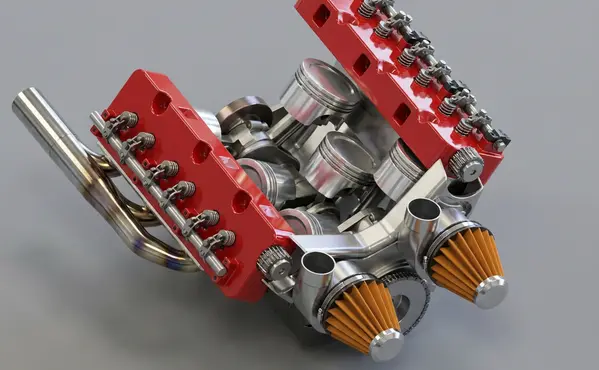
Modeled by CADSharp in Onshape. Rendered with RENDERCAD.
Add | Change | or Remove referenced objects with the stroke of a brush.
RENDERCAD uses a maintained selection of image-generation models for different rendering tasks. Results can vary by model and input, so compare generated output with the source design before relying on geometry, materials, or dimensions.
| Feature | RENDERCAD | Competitor |
|---|---|---|
| Engine | Generative AI | Varies by tool |
| Output | Images + Video | Varies by tool |
| Resolution | HD / 4K | Varies by workflow |
| Image Speed | Image renders complete in 60 seconds. | Varies by scene/tool |
| Video Speed | Videos complete in 2-5 minutes. | Varies by workflow |
| Scene Set Up | No separate local scene | Varies by workflow |
| Input | Screen Snip | Varies by tool |
| Hardware | Cloud GPU | Often local GPU/CPU |
| Install | None | Varies (web or app) |
| Cost | from $9/mo | Varies widely |
Read the numbers. We trust you to know theirs.
Skip a separate local scene build. Pick a condition, material, and background while RENDERCAD handles the image-generation step. Image renders complete in 60 seconds.
 ™
RENDERCAD™
™
RENDERCAD™
Use the browser workflow directly, capture a selected view with the desktop app, or start from the browser extension.
Get StartedCommon solutions for Krita users
Upload a clear image, choose the Realistic engine, and describe a large soft light source or overcast lighting. Generated shadows are visual approximations, not a physical lighting calculation.
Choose the Orbit camera preset and keep the source image as the authority for product shape and visible details. Generated parallax and newly revealed areas can vary.
No local NVIDIA rendering GPU is required. Use a supported browser to upload an image or a current capture tool to select a screenshot; generation runs on cloud infrastructure.
The Render History page lets you browse and download retained images and videos. Storage duration depends on the account plan, so download assets you need before they expire.
Use the web upload workflow, the current desktop capture app, or the browser extension to submit a selected 2D view. This is a screenshot workflow, not a native CAD-file or renderer integration.
The core workflow starts from a selected 2D view, so it does not require native CAD-file conversion or source-model upload.
Reuse a clear history image and change the color instruction or reference. Treat the results as visual options rather than color-managed proof.
Describe the finish, gloss, grain direction, and lighting, or provide an authorized material reference. Generated reflections are visual approximations rather than physically verified material behavior.
It uses generative image models with screenshot or image inputs. Models and features can change over time, so current product documentation is the source of truth.
Video jobs consume credits based on current duration and model settings. Check the pricing page for current costs rather than comparing with an assumed outsourcing price.
Yes. An environment reference can guide the visual direction of reflections on metallic or glossy surfaces, but the result is not a physical reflection simulation.
Mask visible components separately when they need different material or color direction. Keep the source model or drawing beside the output because generated boundaries and part relationships can drift.