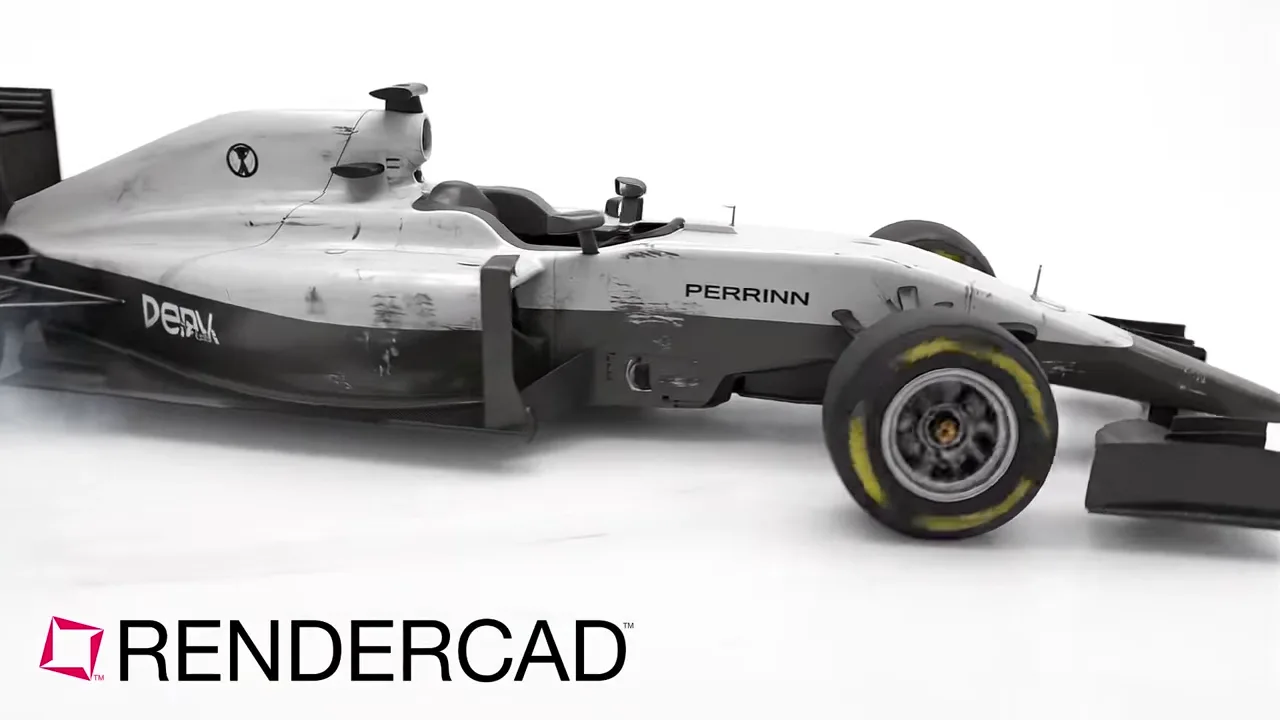
Presentation visuals from BRL-CAD CSG model views.
Open source solid modeling software for CSG-based geometry, interactive editing, ray tracing, and geometric analysis.


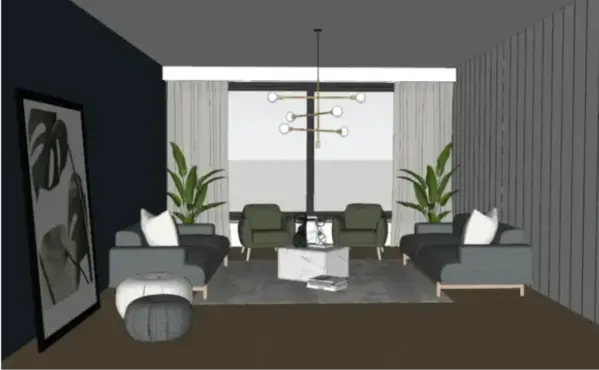
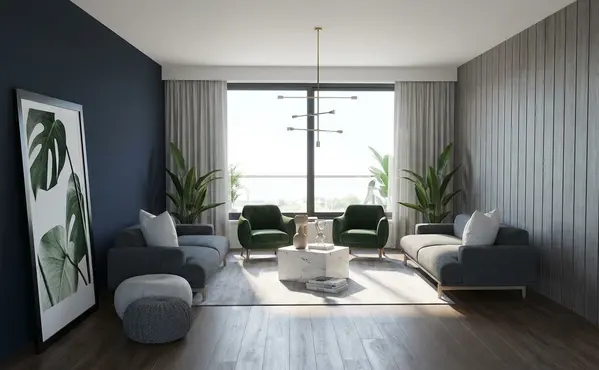


Open source solid modeling software for CSG-based geometry, interactive editing, ray tracing, and geometric analysis.
BRL-CAD is a solid modeling environment built around combinatorial solid geometry, where primitive solids are combined with Boolean operations to define parts, equipment, vehicle studies, and other technical forms. Its geometry editor and ray tracing tools make a useful starting point when the visual needs to communicate the approved form rather than merely show a working CAD screen. A clear MGED viewport or BRL-CAD ray-traced image can show the chosen assembly, region, component, or sectional relationship before it is developed in RENDERCAD. This is especially useful for a design review deck, proposal image, technical report cover, concept board, or stakeholder update where a plain analysis-oriented view does not provide enough material, lighting, or environmental context. Use the original BRL-CAD view to preserve recognizable silhouettes, openings, interfaces, and relative proportions; then use RENDERCAD to explore a restrained presentation direction around that view. BRL-CAD remains the source of truth for the geometry database, Boolean structure, dimensions, material attributes, and any geometric analysis. The resulting image should support explanation and communication, not validate engineering performance or replace the original model.
In BRL-CAD, first isolate the combination, region, assembly, or cutaway that answers the communication question. Set a readable camera angle that keeps the main silhouette, Boolean cutouts, interfaces, and important part relationships visible. For a ray-traced capture, choose a view that is already clear without relying on labels or dense interface elements; for an MGED viewport, hide selections, command areas, and other distractions where possible. Capture the model with enough space around it to preserve the object outline. Upload that approved view to RENDERCAD and describe the intended audience and visual direction, such as a neutral studio-like presentation of a mechanical component, a contextual equipment concept, or a high-contrast explanatory still. Review generated options for legibility and whether they retain the visible geometry cues from the source. Return to BRL-CAD for every change to form, position, dimensions, region structure, or analysis setup, and retain its viewport or ray-traced output when exact technical context must be referenced.
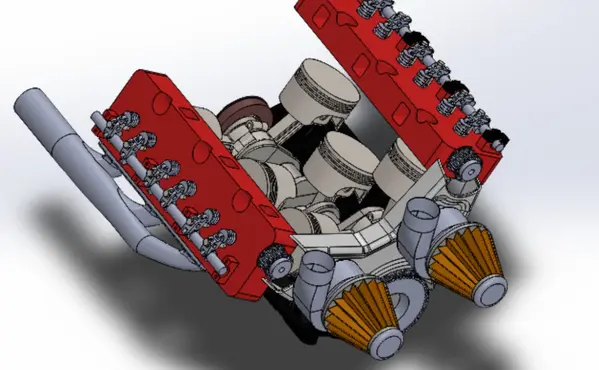
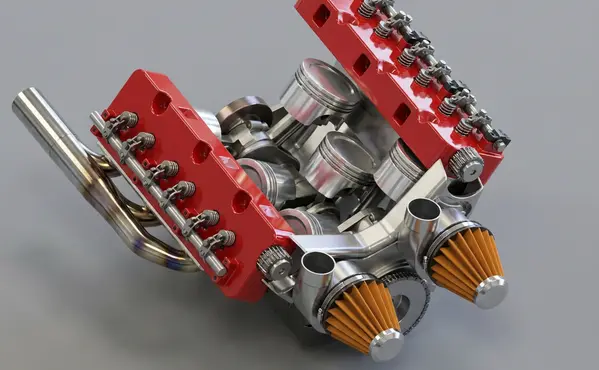
Modeled by CADSharp in Onshape. Rendered with RENDERCAD.
Add | Change | or Remove referenced objects with the stroke of a brush.
RENDERCAD uses a maintained selection of image-generation models for different rendering tasks. Results can vary by model and input, so compare generated output with the source design before relying on geometry, materials, or dimensions.
| Feature | RENDERCAD | Competitor |
|---|---|---|
| Engine | Generative AI | Varies by tool |
| Output | Images + Video | Varies by tool |
| Resolution | HD / 4K | Varies by workflow |
| Image Speed | Image renders complete in 60 seconds. | Varies by scene/tool |
| Video Speed | Videos complete in 2-5 minutes. | Varies by workflow |
| Scene Set Up | No separate local scene | Varies by workflow |
| Input | Screen Snip | Varies by tool |
| Hardware | Cloud GPU | Often local GPU/CPU |
| Install | None | Varies (web or app) |
| Cost | from $9/mo | Varies widely |
Read the numbers. We trust you to know theirs.
Skip a separate local scene build. Pick a condition, material, and background while RENDERCAD handles the image-generation step. Image renders complete in 60 seconds.
 ™
RENDERCAD™
™
RENDERCAD™
Use the browser workflow directly, capture a selected view with the desktop app, or start from the browser extension.
Get StartedCommon solutions for BRL-CAD users
Choose a suitable background and describe a reflective floor. Inspect the generated reflection for alignment, product fidelity, and unintended details.
Choose the Seamless loop end-frame option to guide the clip toward a looping transition. Review the exported loop because continuity can vary by model and source image.
If the source viewport is visible but a local renderer fails, capture a clear screenshot and use it as a RENDERCAD input. Image renders complete in 60 seconds.
Yes. Upload a photo of a foam model and prompt "Finished plastic product" to visualize the final look.
Describe the color code name (e.g., "Traffic Red") in the prompt.
Image renders complete in 60 seconds.
Generation runs on cloud infrastructure, so a local rendering GPU is not required. The device still needs sufficient resources for the source application, browser, and network connection.
Context prompts can provide a visual scale cue, but the source model and known dimensions remain authoritative. Do not infer measurements from generated imagery.
RENDERCAD starts from a 2D image and uses generated material and environment direction. Built-in renderers may provide direct scene, geometry, lighting, and material control.
Provide a material reference or describe the intended scale, then compare the result with known dimensions and the source model.
Use authorized product photography to guide angles, shadows, or highlights. Review the result for product and brand fidelity.
Mask individual components and assign color prompts or authorized references. Verify brand color in a color-managed workflow rather than relying on generated accuracy.