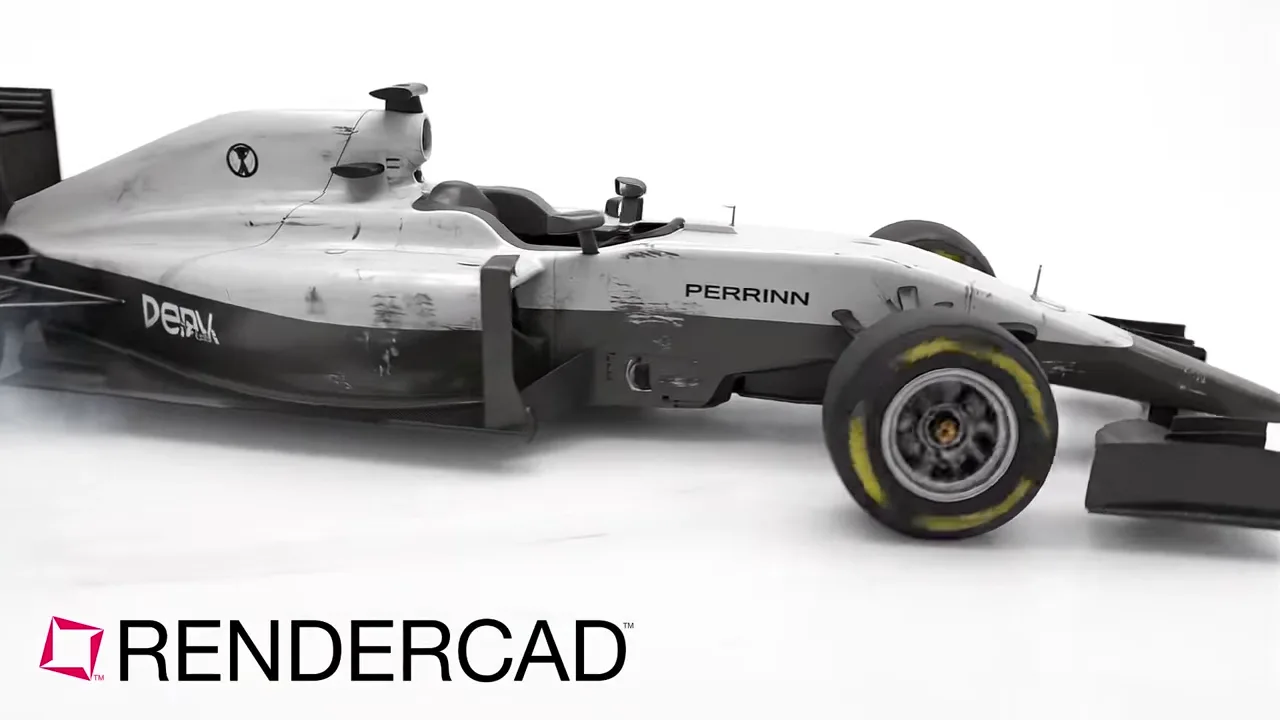
Polished product visuals from legacy ArtCAM relief views.
ArtCAM is legacy artistic CAD/CAM software used to create relief-based work for CNC carving, engraving, signs, decorative panels, woodworking, and jewelry. Its 3D view can show the composite relief, calculated toolpaths, and machining simulations, making it a useful starting point when a workshop needs a polished visual alongside the manufacturing file.




ArtCAM is legacy artistic CAD/CAM software used to create relief-based work for CNC carving, engraving, signs, decorative panels, woodworking, and jewelry. Its 3D view can show the composite relief, calculated toolpaths, and machining simulations, making it a useful starting point when a workshop needs a polished visual alongside the manufacturing file.
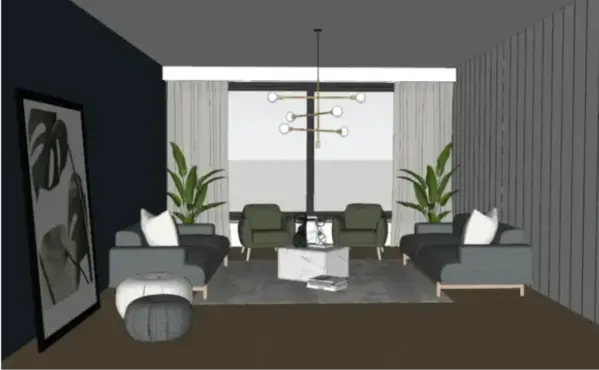
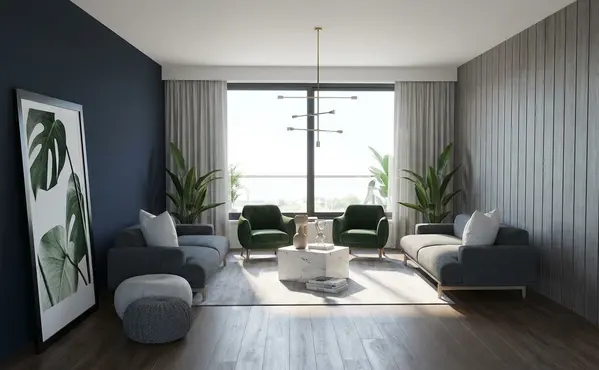
An ArtCAM relief can be technically ready for machining yet still be difficult for a client to read from a gray workspace view. Capture a clean, angled 3D view of the composite relief or a toolpath simulation for a carved sign, cabinet panel, engraved plaque, ornamental molding, or jewelry component. The most useful input makes the raised and recessed areas, outer silhouette, edge treatment, and intended material easy to see. RENDERCAD can use that visual reference to develop a more persuasive presentation image for design approval, quoting, a product listing, or a portfolio. It is especially useful when the question is how the finished object may look in wood, metal, or another believable setting, rather than how it will be machined. Keep the ArtCAM model, vectors, and toolpaths as the source of truth for dimensions, cutter reach, surface detail, and production feasibility.
In ArtCAM, use the 3D view to frame the complete relief at a scale that reveals its depth, fine engraving, and background plane. If a simulation better represents the expected machined result, select a view that also makes the stock boundary and any remaining material visually clear. Apply a material preview only when it supports the intended product, then capture the view without dialogs, selection handles, or unrelated interface panels. Provide that image to RENDERCAD with a concise visual direction such as finished carved walnut sign, cast-metal plaque, or close product view of an engraved jewelry piece. Review the output against the ArtCAM relief before publishing so it does not invent ornament, alter legibility, or obscure key carved features. Return to ArtCAM for all CAM decisions: cutter selection, stepover, toolpath order, stock setup, collision checks, and final machining validation remain outside a presentation render.
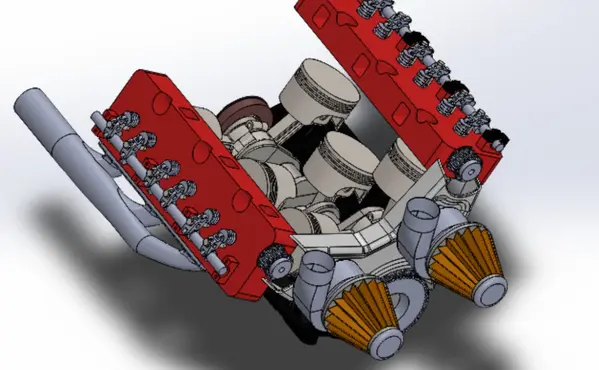
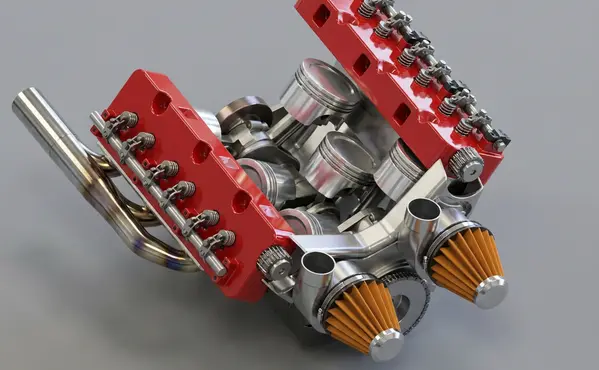
Modeled by CADSharp in Onshape. Rendered with RENDERCAD.
Add | Change | or Remove referenced objects with the stroke of a brush.
RENDERCAD uses a maintained selection of image-generation models for different rendering tasks. Results can vary by model and input, so compare generated output with the source design before relying on geometry, materials, or dimensions.
| Feature | RENDERCAD | Competitor |
|---|---|---|
| Engine | Generative AI | Varies by tool |
| Output | Images + Video | Varies by tool |
| Resolution | HD / 4K | Varies by workflow |
| Image Speed | Image renders complete in 60 seconds. | Varies by scene/tool |
| Video Speed | Videos complete in 2-5 minutes. | Varies by workflow |
| Scene Set Up | No separate local scene | Varies by workflow |
| Input | Screen Snip | Varies by tool |
| Hardware | Cloud GPU | Often local GPU/CPU |
| Install | None | Varies (web or app) |
| Cost | from $9/mo | Varies widely |
Read the numbers. We trust you to know theirs.
Skip a separate local scene build. Pick a condition, material, and background while RENDERCAD handles the image-generation step. Image renders complete in 60 seconds.
 ™
RENDERCAD™
™
RENDERCAD™
Use the browser workflow directly, capture a selected view with the desktop app, or start from the browser extension.
Get StartedCommon solutions for ArtCAM users
Mask individual components and assign color prompts or authorized references. Verify brand color in a color-managed workflow rather than relying on generated accuracy.
Photograph an authorized prototype or sample and use it as a material reference. Verify color, texture scale, gloss, and product fidelity because generated output will not match reality exactly.
While RENDERCAD generates full rectangular images, you can set the Background to "White" or "Grey" in Advanced Settings for easy masking in post-production.
Upload a CAD screenshot, real photo, or hand drawing and describe warm golden-hour light and the intended direction. Review the generated color and shadows because the interpretation can vary.
Start from an image that clearly shows the existing separated components, then choose the Exploded View product motion. Review the clip against the source because generated motion can alter part boundaries or relationships.
Yes. RENDERCAD's Render Studio works on Safari or Chrome on Mac, allowing you to turn CAD screenshots, real photos, and hand drawings into pro renders easily.
Generating images or videos consumes credits. Your balance refreshes monthly based on your subscription plan.
Use the Realistic engine with a clear input, a specific material description, and a suitable background or reference. Results vary, so review the output against the source product.
RENDERCAD can place a clear viewport capture into a described lifestyle environment, such as a kitchen or office, and produce options for review.
The screenshot workflow uses image inputs, presets, and plain-language direction. Teams should still review generated output with the appropriate designer or product owner.
Use a condition preset or regional instruction to explore dust, scratches, or age. Generated wear patterns do not predict real product use.
A supported browser can submit a clear 2D input without a local rendering GPU.