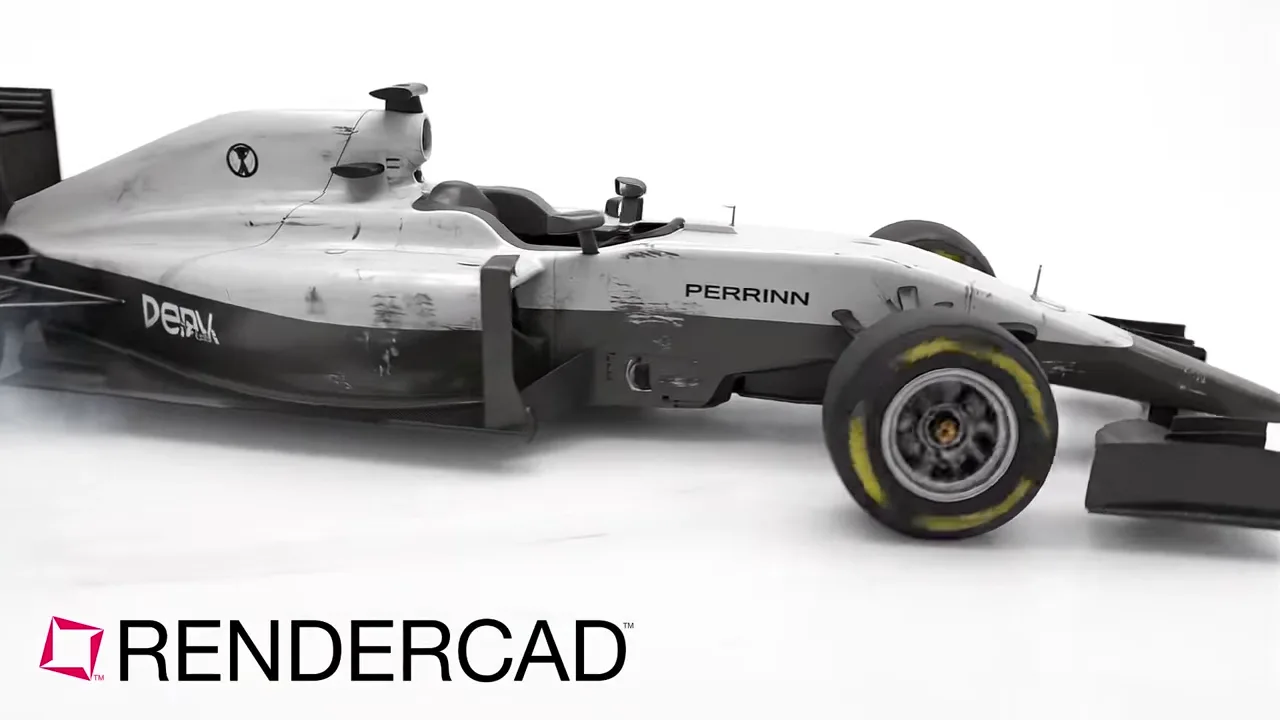
Turn legacy Geomagic Design CAD views into clear mechanical visuals.
Alibre Geomagic Design is the earlier product name associated with Alibre Design mechanical CAD work, including parametric parts, assemblies, sheet metal, exploded views, drawings, bills of materials, and product documentation. For teams revisiting these models, a carefully prepared viewport can become a useful starting point for a clearer product or assembly visual.


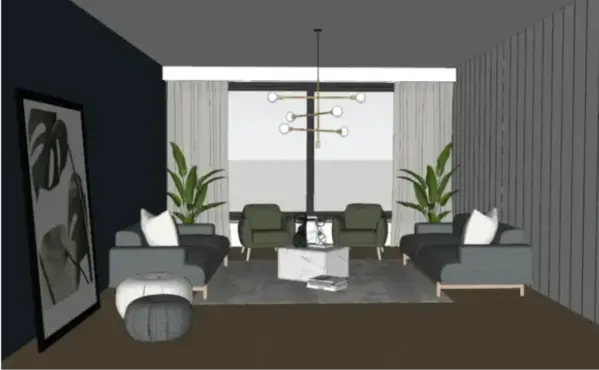
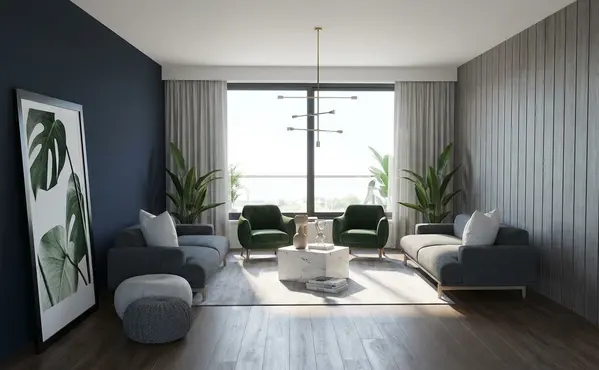
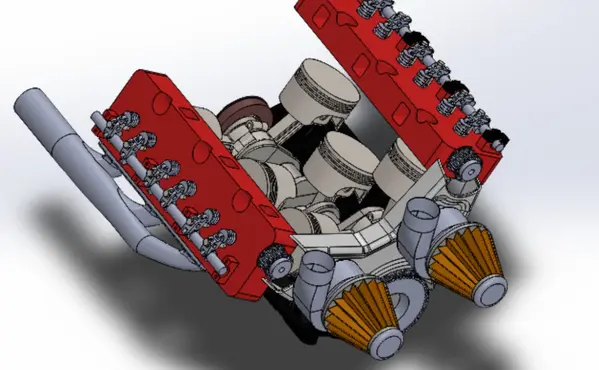


Alibre Geomagic Design is the earlier product name associated with Alibre Design mechanical CAD work, including parametric parts, assemblies, sheet metal, exploded views, drawings, bills of materials, and product documentation. For teams revisiting these models, a carefully prepared viewport can become a useful starting point for a clearer product or assembly visual.
Alibre Geomagic Design searches often come from engineers reopening a legacy part or assembly, or from teams now working in Alibre Design. The software is used to define detailed mechanical geometry and produce documentation, including assembly views, exploded states, and drawing-based instructions. RENDERCAD is useful when that engineering view needs to communicate a design decision more quickly: a fabricated enclosure on a neutral studio background, a machine subassembly with readable part separation, or a finished product concept in a plausible setting. Start with a view that makes the intended structure unambiguous, then use RENDERCAD to explore presentation lighting, material character, background, and visual emphasis. The result can support an internal review, proposal, manual cover, sales discussion, or early marketing concept. It should not be used to verify fit, motion, dimensions, tolerances, manufacturing details, or bill of materials data; retain the Alibre model, drawings, and specifications as the engineering source of truth.
Open the legacy Geomagic Design model or its Alibre Design equivalent and prepare one deliberate viewport rather than a busy working screen. For an assembly manual or review, use an exploded state or a perspective that keeps fasteners, subassemblies, and the direction of assembly readable. For a sheet metal housing or machined component, frame the faces, bends, cutouts, and interfaces that distinguish the design. Hide selection highlights, dimensions, reference geometry, and unrelated components; use a simple background and a camera angle that preserves proportion. Capture the viewport and upload it to RENDERCAD with a focused visual direction, such as a studio product image with a painted enclosure and brushed hardware, or an installed equipment view. Compare the output back to the CAD view before use, especially where component count, openings, labels, interfaces, or finish details matter. Pair the visual with Alibre drawings, published documentation, or BOM data when technical accuracy is required.
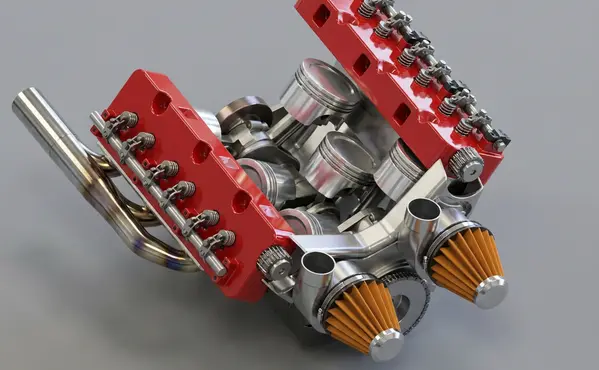
Modeled by CADSharp in Onshape. Rendered with RENDERCAD.
Add | Change | or Remove referenced objects with the stroke of a brush.
RENDERCAD uses a maintained selection of image-generation models for different rendering tasks. Results can vary by model and input, so compare generated output with the source design before relying on geometry, materials, or dimensions.
| Feature | RENDERCAD | Competitor |
|---|---|---|
| Engine | Generative AI | Varies by tool |
| Output | Images + Video | Varies by tool |
| Resolution | HD / 4K | Varies by workflow |
| Image Speed | Image renders complete in 60 seconds. | Varies by scene/tool |
| Video Speed | Videos complete in 2-5 minutes. | Varies by workflow |
| Scene Set Up | No separate local scene | Varies by workflow |
| Input | Screen Snip | Varies by tool |
| Hardware | Cloud GPU | Often local GPU/CPU |
| Install | None | Varies (web or app) |
| Cost | from $9/mo | Varies widely |
Read the numbers. We trust you to know theirs.
Skip a separate local scene build. Pick a condition, material, and background while RENDERCAD handles the image-generation step. Image renders complete in 60 seconds.
 ™
RENDERCAD™
™
RENDERCAD™
Use the browser workflow directly, capture a selected view with the desktop app, or start from the browser extension.
Get StartedCommon solutions for Alibre Geomagic Design users
RENDERCAD starts from a 2D image and uses generated material and environment direction. Built-in renderers may provide direct scene, geometry, lighting, and material control.
Provide a material reference or describe the intended scale, then compare the result with known dimensions and the source model.
Use an authorized photo with the intended studio, outdoor, or dramatic lighting as a reference. It guides the look but does not reproduce a measured lighting setup.
Masking lets you target a region of a CAD screenshot, real photo, or hand drawing with a reference image or instruction. Generation can still affect other regions, so inspect the full result.
Create one master render, then use masking and reference swapping to generate variations - different colors, backgrounds, and contexts - from a single session.
Capture the model, describe the wood species and grain direction, and add an authorized material reference when needed. Generated grain varies and should be reviewed for scale and orientation.
Upload a CAD screenshot, real photo, or hand drawing and describe warm golden-hour light and the intended direction. Review the generated color and shadows because the interpretation can vary.
Choose the Orbit camera preset and keep the source image as the authority for product shape and visible details. Generated parallax and newly revealed areas can vary.
Yes. RENDERCAD's Render Studio works on Safari or Chrome on Mac, allowing you to turn CAD screenshots, real photos, and hand drawings into pro renders easily.
Generating images or videos consumes credits. Your balance refreshes monthly based on your subscription plan.
Start with a sharp input, choose the Realistic engine, and use 4K when additional output resolution is needed. Higher resolution does not recover source detail that is missing or guarantee geometry fidelity.
RENDERCAD can place a clear viewport capture into a described lifestyle environment, such as a kitchen or office, and produce options for review.