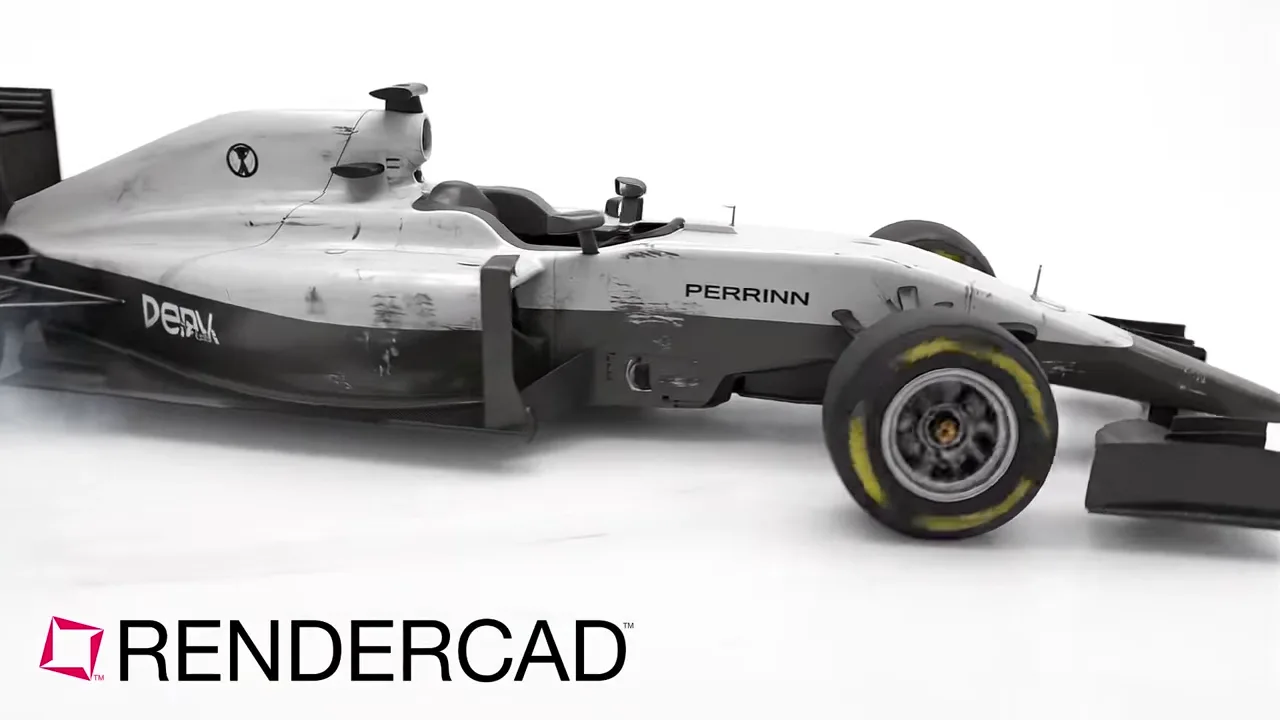
Present Alibre Atom3D maker models as clear, product-focused visuals.
Alibre Atom3D is 3D and 2D CAD for hobbyists, makers, and home-shop projects. It supports precision parts, assemblies, drawings, and files used in 3D printing, CNC, and laser-cutting workflows. Its models often begin as practical objects - a printed adapter, a jig, a small mechanism, a woodworking fixture, or a fabricated enclosure - but they may also need a clear image that shows what the finished object is meant to be.


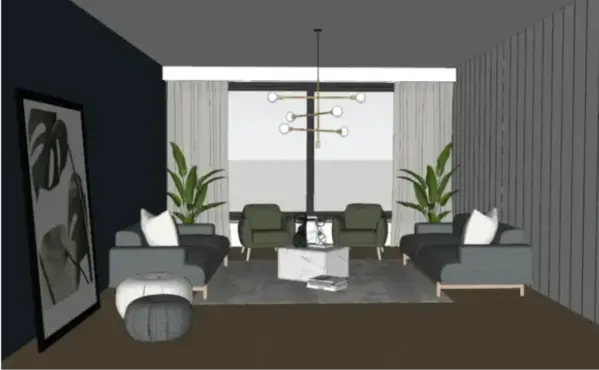
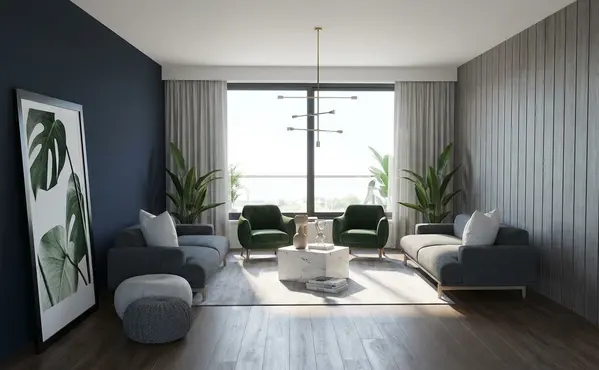
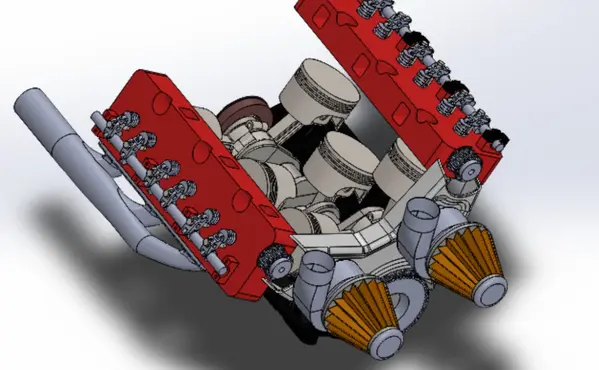


Alibre Atom3D is 3D and 2D CAD for hobbyists, makers, and home-shop projects. It supports precision parts, assemblies, drawings, and files used in 3D printing, CNC, and laser-cutting workflows. Its models often begin as practical objects - a printed adapter, a jig, a small mechanism, a woodworking fixture, or a fabricated enclosure - but they may also need a clear image that shows what the finished object is meant to be.
Alibre Atom3D is a strong starting point for visualizing personal designs that have already been modeled for making. A maker can frame a 3D printed bracket to show its mounting faces and cable path, or present a small constrained assembly so its moving and connecting pieces are easy to read. For laser-cut or CNC-related projects, show the completed object, enclosure, fixture, or assembled product rather than a flat profile or toolpath-oriented drawing when the purpose is communication. RENDERCAD can build on a clean Atom3D viewport capture to explore product-style lighting, material appearance, background, and composition for a project page, build guide, concept presentation, portfolio, or listing image. This is useful when CAD colors and interface elements distract from the design, or when a practical model needs to look more like the object a viewer will receive. The output is a presentation aid, not evidence of production readiness: use the Atom3D model, dimensions, drawings, and manufacturing files as the source of truth for fit, scale, tolerances, and fabrication details.
In Atom3D, prepare the part or assembly in the workspace that best tells the story. Use an assembled view for a mechanism or product, and choose an angle that keeps interfaces, mounting holes, cutouts, controls, and key component relationships visible. For a printed part, make the functional faces readable; for a laser-cut or machined project, show the finished assembly rather than the 2D drawing used downstream. Hide selection highlights, dimensions, sketches, reference geometry, and unrelated parts before capturing a clean viewport with the model filling the frame. Upload that image to RENDERCAD and describe a restrained direction such as a studio product shot, a workshop setting, or believable plastic, wood, powder-coated, or metal finishes. Review the resulting image against Atom3D before publishing, especially where hole count, hardware, labels, motion, or part placement matters. Pair the visual with Atom3D drawings, published documentation, or approved build instructions when the audience needs exact technical information. For implementation details, visit RENDERCAD developer documentation.
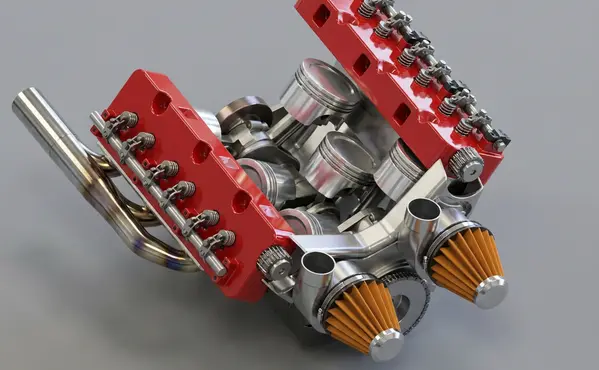
Modeled by CADSharp in Onshape. Rendered with RENDERCAD.
Add | Change | or Remove referenced objects with the stroke of a brush.
RENDERCAD uses a maintained selection of image-generation models for different rendering tasks. Results can vary by model and input, so compare generated output with the source design before relying on geometry, materials, or dimensions.
| Feature | RENDERCAD | Competitor |
|---|---|---|
| Engine | Generative AI | Varies by tool |
| Output | Images + Video | Varies by tool |
| Resolution | HD / 4K | Varies by workflow |
| Image Speed | Image renders complete in 60 seconds. | Varies by scene/tool |
| Video Speed | Videos complete in 2-5 minutes. | Varies by workflow |
| Scene Set Up | No separate local scene | Varies by workflow |
| Input | Screen Snip | Varies by tool |
| Hardware | Cloud GPU | Often local GPU/CPU |
| Install | None | Varies (web or app) |
| Cost | from $9/mo | Varies widely |
Read the numbers. We trust you to know theirs.
Skip a separate local scene build. Pick a condition, material, and background while RENDERCAD handles the image-generation step. Image renders complete in 60 seconds.
 ™
RENDERCAD™
™
RENDERCAD™
Use the browser workflow directly, capture a selected view with the desktop app, or start from the browser extension.
Get StartedCommon solutions for Alibre Atom3D users
The core workflow is available in a supported browser and accepts a selected 2D image, so it does not require a rendering plugin in the source application.
The model can reinterpret curves and surface transitions from the 2D input. Compare the result with the source because edges and geometry can drift.
It accepts a clear viewport screenshot, so a separate local material, light, and camera scene is not required for the image-generation workflow.
It lets you describe motion, steam, lighting changes, or atmosphere for a generated clip. Added details may not exist in the source model.
Use only images you are authorized to submit. A style reference can guide lighting, composition, or general aesthetic, but it does not guarantee that the source design remains unchanged.
Mask the visible label area and attach authorized artwork as a reference to guide the generated mockup. Verify spelling, shape, color, placement, and perspective; add exact production artwork afterward in a graphics or packaging-design tool.
Reuse the same authorized lighting, material, and style references, then review every output against the brand system. References can help consistency but do not guarantee it.
Describe the intended powder-coat color, gloss, and surface texture. Treat the generated finish as a visual direction and verify any production specification separately.
Choose a suitable background and describe a reflective floor. Inspect the generated reflection for alignment, product fidelity, and unintended details.
Yes. Choose the Dolly In or Dolly Out camera preset in the Video panel, then review the clip for product and geometry fidelity.
If the source viewport is visible but a local renderer fails, capture a clear screenshot and use it as a RENDERCAD input. Image renders complete in 60 seconds.
Yes. Upload a photo of a foam model and prompt "Finished plastic product" to visualize the final look.