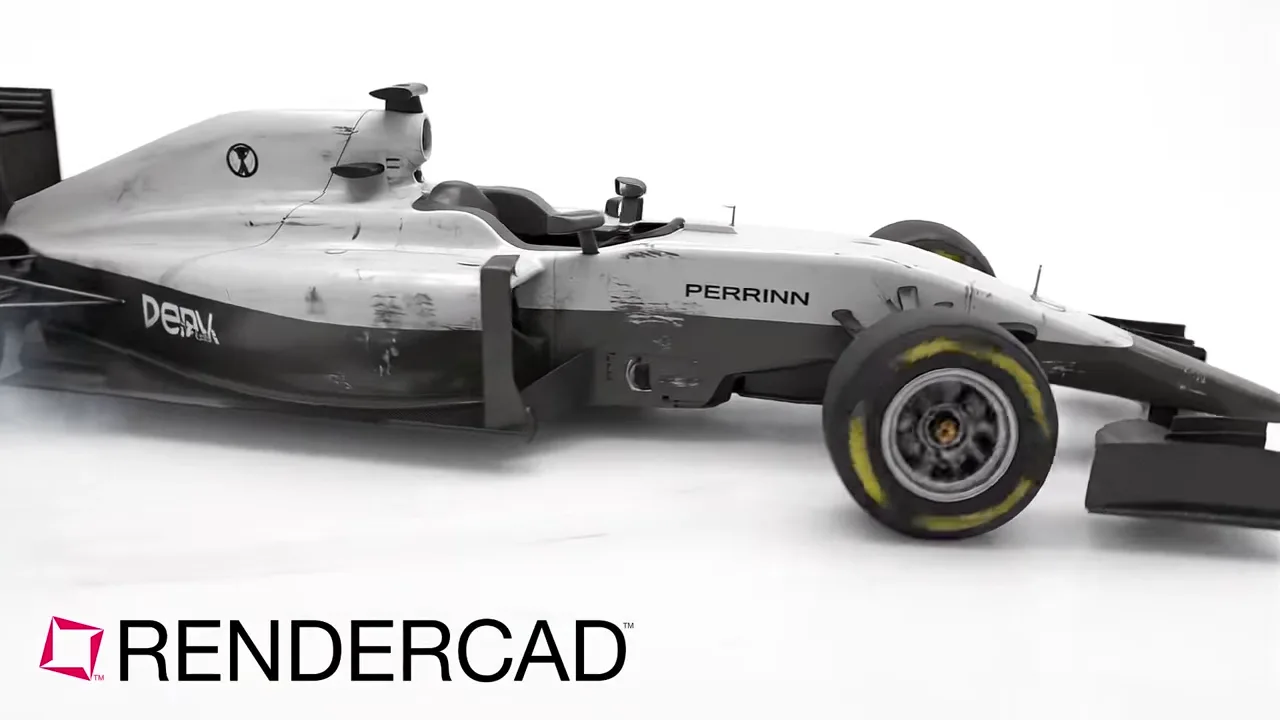
Presentation visuals for ArtCAM reliefs, carvings, and decorative surfaces.
Presentation rendering for ArtCAM relief designs, carved-surface concepts, and decorative CNC products. ArtCAM users create shallow 3D reliefs from vectors, bitmap artwork, imported reliefs, and other model content, then use the 3D view to inspect the composite surface. A clean view of that surface can become the starting point for a more persuasive presentation image when the design needs to communicate carved depth, finish, and intended context beyond a working CAD/CAM viewport.


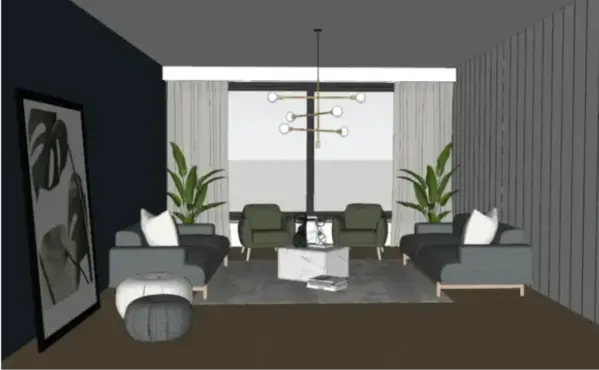
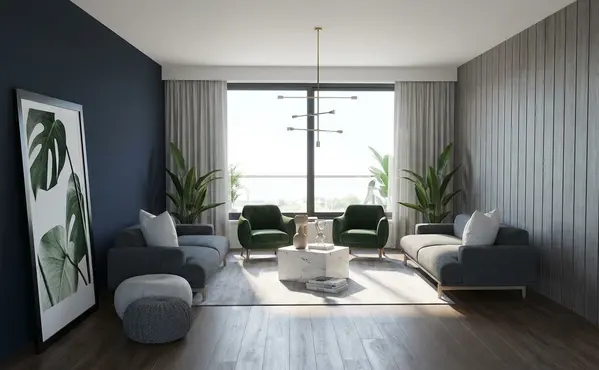
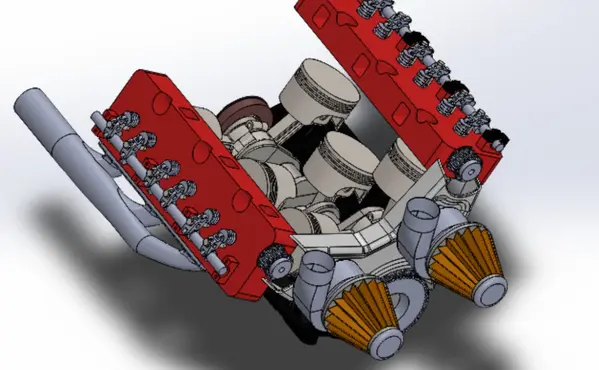
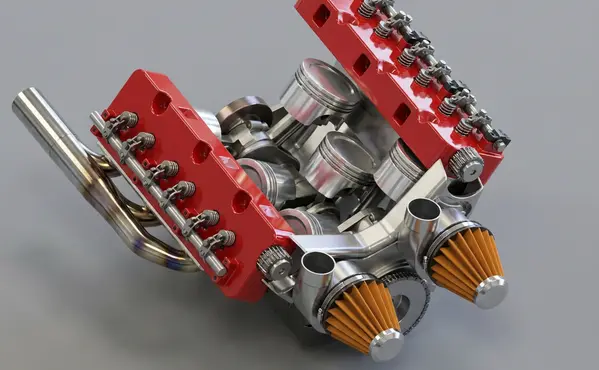


Presentation rendering for ArtCAM relief designs, carved-surface concepts, and decorative CNC products. ArtCAM users create shallow 3D reliefs from vectors, bitmap artwork, imported reliefs, and other model content, then use the 3D view to inspect the composite surface. A clean view of that surface can become the starting point for a more persuasive presentation image when the design needs to communicate carved depth, finish, and intended context beyond a working CAD/CAM viewport.
ArtCAM Relief is well suited to decorative work where a shallow surface still needs to read clearly: carved signs, ornamental panels, plaques, medallions, molds, furniture details, and similar engraved or routed products. Relief layers can combine graphic artwork and modeled detail, so the composite 3D view often contains the essential evidence of the design - raised lettering, recessed background, flowing borders, texture, and fine ornament - even when its default display is intended for construction and machining review. RENDERCAD can turn a clearly framed ArtCAM relief view into a product-oriented visual for a customer approval, proposal, portfolio, catalog concept, or listing. It is especially useful for testing how the same relief might present as carved timber, cast or patinated metal, stone, resin, or a painted sign. Keep the selected view honest: a low oblique angle can show relief height and transitions, while a closer crop can make small lettering and decorative edges legible. The resulting image is a presentation interpretation, not a substitute for the original relief geometry, material specification, cutter choice, or machining result.
In ArtCAM, open the composite relief or the relevant relief layer in the 3D view. Hide vectors, toolpaths, simulation overlays, and interface clutter, then choose an angle that shows the surface depth rather than only its front outline. Capture one clean viewport for the overall object and, when fine carving matters, a closer detail view. In RENDERCAD, describe the intended object, substrate, finish, and setting - for example, an oak sign, aged bronze plaque, limestone panel, or painted decorative insert. Compare presentation options without changing the source design. Return to ArtCAM for relief edits, dimensions, toolpath calculation, simulation, and manufacturing decisions.
Modeled by CADSharp in Onshape. Rendered with RENDERCAD.
Add | Change | or Remove referenced objects with the stroke of a brush.
RENDERCAD uses a maintained selection of image-generation models for different rendering tasks. Results can vary by model and input, so compare generated output with the source design before relying on geometry, materials, or dimensions.
| Feature | RENDERCAD | Competitor |
|---|---|---|
| Engine | Generative AI | Varies by tool |
| Output | Images + Video | Varies by tool |
| Resolution | HD / 4K | Varies by workflow |
| Image Speed | Image renders complete in 60 seconds. | Varies by scene/tool |
| Video Speed | Videos complete in 2-5 minutes. | Varies by workflow |
| Scene Set Up | No separate local scene | Varies by workflow |
| Input | Screen Snip | Varies by tool |
| Hardware | Cloud GPU | Often local GPU/CPU |
| Install | None | Varies (web or app) |
| Cost | from $9/mo | Varies widely |
Read the numbers. We trust you to know theirs.
Skip a separate local scene build. Pick a condition, material, and background while RENDERCAD handles the image-generation step. Image renders complete in 60 seconds.
 ™
RENDERCAD™
™
RENDERCAD™
Use the browser workflow directly, capture a selected view with the desktop app, or start from the browser extension.
Get StartedCommon solutions for ArtCAM Relief users
Yes. Draw a mask around the product and direct the background region separately. Inspect the full result because unmasked content can still drift during generation.
Yes, if the license permits this use. A stock image can guide a background or environment, while placement and lighting remain generated interpretations.
Describe the velvet color, pile direction, and lighting, or add an authorized material reference. Review the generated texture because fiber scale and light response can vary.
Choose a suitable background and describe a reflective floor. Inspect the generated reflection for alignment, product fidelity, and unintended details.
RENDERCAD videos are generated at 720p.
If the source viewport is visible but a local renderer fails, capture a clear screenshot and use it as a RENDERCAD input. Image renders complete in 60 seconds.
Yes. Upload a photo of a foam model and prompt "Finished plastic product" to visualize the final look.
Add a familiar scale cue such as a person, hand, or furniture item, then verify the generated relationship against known dimensions in the source model.
Image renders complete in 60 seconds.
Generation runs on cloud infrastructure, so a local rendering GPU is not required. The device still needs sufficient resources for the source application, browser, and network connection.
Context prompts can provide a visual scale cue, but the source model and known dimensions remain authoritative. Do not infer measurements from generated imagery.
RENDERCAD starts from a 2D image and uses generated material and environment direction. Built-in renderers may provide direct scene, geometry, lighting, and material control.