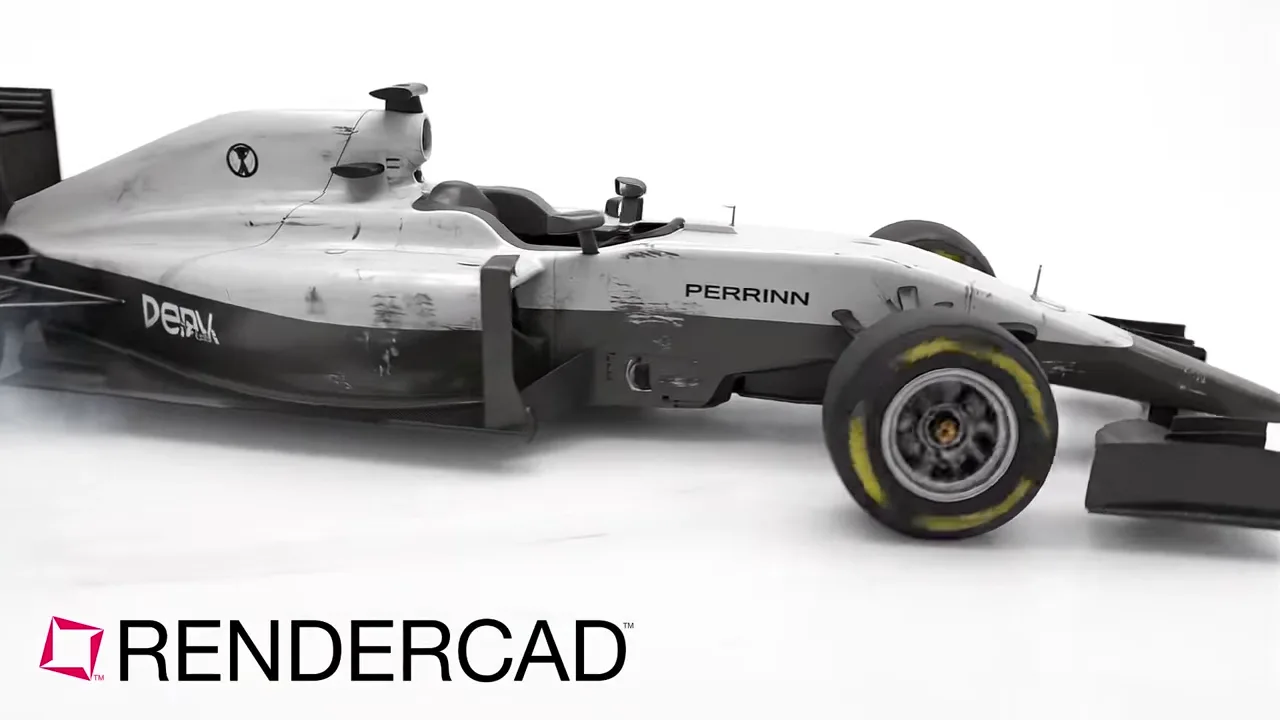
Presentation-ready AI stills from Maya cameras and Arnold RenderView.
Arnold for Maya, or MtoA, is the Maya integration for Arnold rendering. It supports an artist workflow built around Maya cameras, lights, materials, Arnold RenderView feedback, and AOVs for image review and compositing. Its interactive RenderView can display the active camera and switch between configured AOVs, making it useful for judging a beauty pass, lighting contribution, or material response while a scene is still being developed.


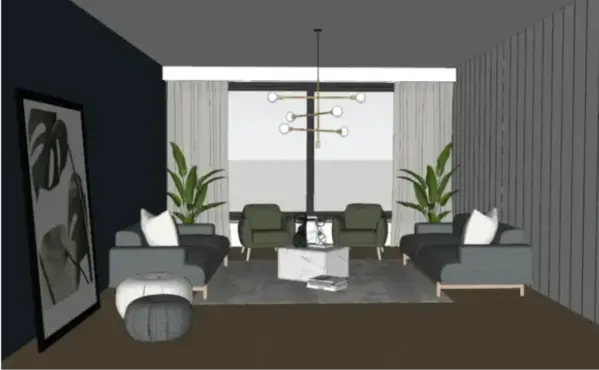
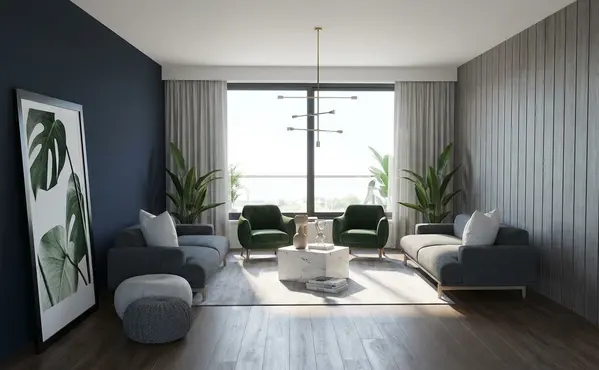


Arnold for Maya, or MtoA, is the Maya integration for Arnold rendering. It supports an artist workflow built around Maya cameras, lights, materials, Arnold RenderView feedback, and AOVs for image review and compositing. Its interactive RenderView can display the active camera and switch between configured AOVs, making it useful for judging a beauty pass, lighting contribution, or material response while a scene is still being developed.
Arnold for Maya, delivered through the MtoA plug-in, gives Maya artists an Arnold workflow for cameras, lights, shaders, interactive RenderView feedback, AOVs, denoising, and final frames. It is well suited to the finished shot, but an art-direction or client review often needs only a clear image from the approved Maya camera before sampling and output settings are finalized. A draft beauty render is usually the best input when the decision is about the whole image; a selected AOV can be useful when the conversation is specifically about lighting, reflections, depth, or another contribution intended for compositing. RENDERCAD can develop that focused capture into a polished still for a look board, pitch deck, approval, product concept, or look reference. This is useful for showing the intended material character, lighting mood, silhouette, and composition of a character, vehicle, environment, set, or designed object. Keep MtoA as the source of truth for the Maya scene, physically rendered final image, AOV data, and frame sequence. Use RENDERCAD to make an early visual direction easier to communicate, not to validate the technical render or replace final compositing.
In Maya, choose the camera that carries the intended composition, then make a clean Arnold RenderView or Arnold viewport capture with the important silhouette, materials, and lighting visible. Use a beauty render for an overall look review. If the team is diagnosing a specific contribution, display the relevant configured AOV, but use the beauty image when the goal is a broadly understandable presentation. Send the selected capture to RENDERCAD to create a presentation-ready still for a look board, approval, pitch, or marketing concept before committing more time to final sampling. Iterate on visual direction, then return to Maya and Arnold to refine the actual lights, shaders, camera, sampling, denoising, AOV output, and animation frames. RENDERCAD is best for a still-image communication step; retain Arnold for final EXRs, render passes, motion blur, volumes, and sequence delivery. Developer documentation is available for teams that automate image workflows.
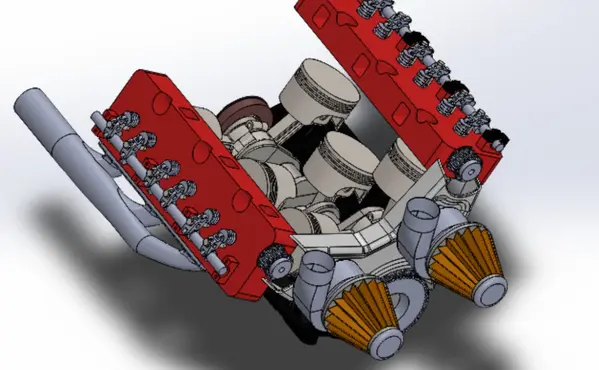
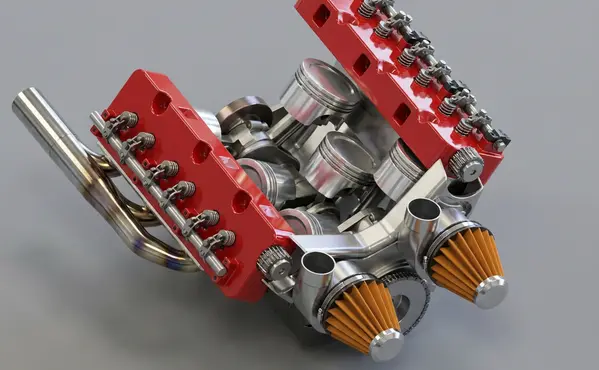
Modeled by CADSharp in Onshape. Rendered with RENDERCAD.
Add | Change | or Remove referenced objects with the stroke of a brush.
RENDERCAD uses a maintained selection of image-generation models for different rendering tasks. Results can vary by model and input, so compare generated output with the source design before relying on geometry, materials, or dimensions.
| Feature | RENDERCAD | Arnold for Maya (MtoA) |
|---|---|---|
| Engine | Generative AI | Arnold renderer integrated with Maya through the MtoA plug-in, with CPU rendering and GPU rendering options where supported |
| Output | Images + Video | Rendered stills, image sequences, AOV output, and RenderView snapshots; image output is configured in Maya render settings |
| Resolution | HD / 4K | Set in Maya render settings; practical limits depend on scene complexity, available memory, and the selected render device |
| Image Speed | Image renders complete in 60 seconds. | Varies with scene complexity, textures, lights, sampling, motion blur, volumes, AOVs, and available hardware |
| Video Speed | Videos complete in 2-5 minutes. | Animation is rendered as individual frames, with duration depending on the scene, render settings, and rendering resources |
| Scene Set Up | No separate local scene | A Maya scene with MtoA loaded, Arnold selected as renderer, a render camera, lights and shaders, plus render settings and optional AOVs |
| Input | Screen Snip | Maya scenes and assets prepared for MtoA, including cameras, geometry, lights, materials, textures, and optional AOV configuration |
| Hardware | Cloud GPU | Desktop Maya workflow using a compatible MtoA release, operating system, and rendering hardware |
| Install | None | Arnold for Maya is installed with Maya in common configurations and can be loaded through Maya's Plug-in Manager when needed |
| Cost | from $9/mo | Maya and Arnold licensing terms can apply, especially for some production rendering workflows |
Read the numbers. We trust you to know theirs.
Skip a separate local scene build. Pick a condition, material, and background while RENDERCAD handles the image-generation step. Image renders complete in 60 seconds.
 ™
RENDERCAD™
™
RENDERCAD™
Use the browser workflow directly, capture a selected view with the desktop app, or start from the browser extension.
Get StartedCommon solutions for Arnold for Maya users
You can layer a material reference, a lighting reference, and a background reference together. Each guides a different aspect of the final render.
Capture the model, describe the wood species and grain direction, and add an authorized material reference when needed. Generated grain varies and should be reviewed for scale and orientation.
Add phrases like "Light from left," "Backlit," or "Top down lighting" to your custom prompt in RENDERCAD.
Upload a CAD screenshot, real photo, or hand drawing, open the Video panel, and choose an available duration, camera preset, and product motion. Videos complete in 2-5 minutes.
Submit a clear viewport screenshot to the web workflow instead of running a local scene render. The generation request runs in the cloud while your source application remains separate.
Open the current desktop app or browser extension, select the viewport region, and send the captured image into the screenshot-based workflow. Availability and device requirements are documented on the current download pages.
Upload your image or snip your wireframe view. In RENDERCAD, prompt "Technical Illustration" or "Blueprint style."
It supports fast visual feedback from a clear viewport capture. Image renders complete in 60 seconds.
The current desktop app or browser extension can capture a selected viewport region and send that screenshot into the image workflow. The web upload path remains available without a CAD plugin.
Choose a background or describe the intended environment and lighting. Generated reflections and illumination are visual interpretations, not a scene-based light simulation.
4K is an optional output-resolution step. It increases pixel dimensions but does not restore missing source detail or guarantee print suitability.
It guides the video toward a looping transition. Review continuity after export because the first and last frames may still need editing.