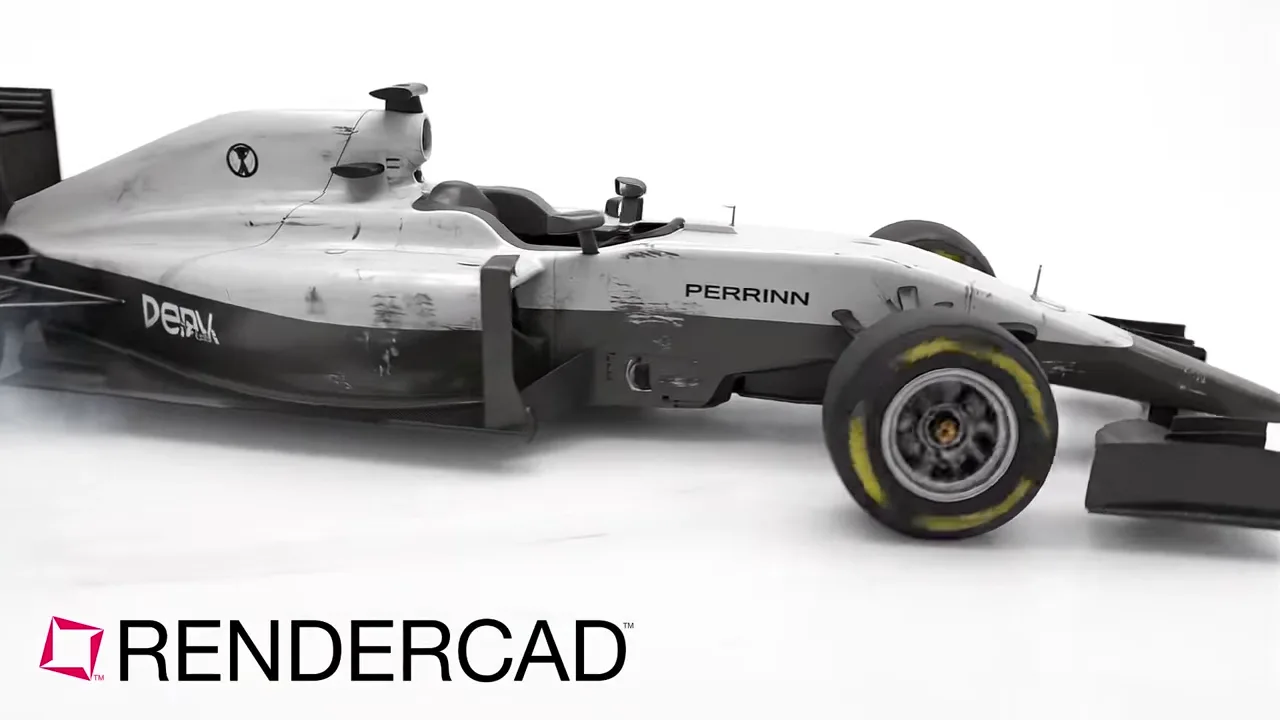
Polished review stills from Houdini, Solaris, and Arnold preview captures.
HtoA integrates Arnold rendering with Houdini and Solaris USD scenes for look development, interactive previews, AOVs, and final image sequences.


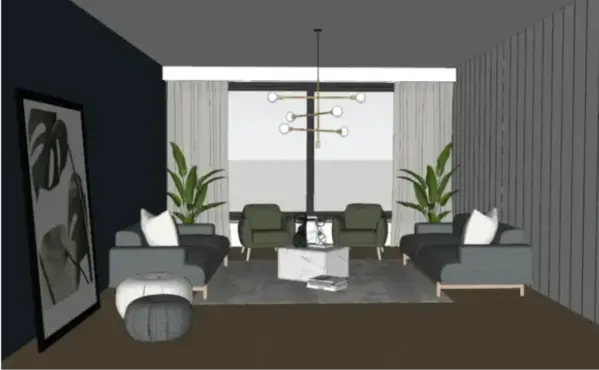
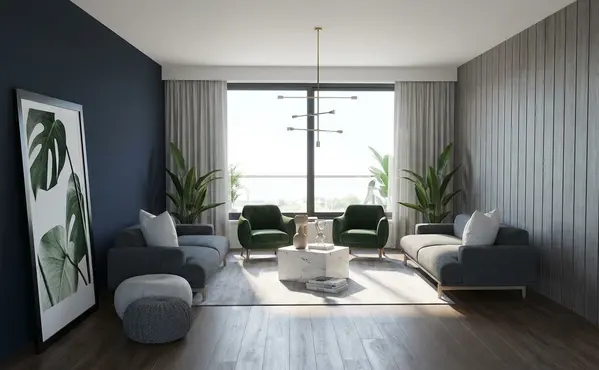
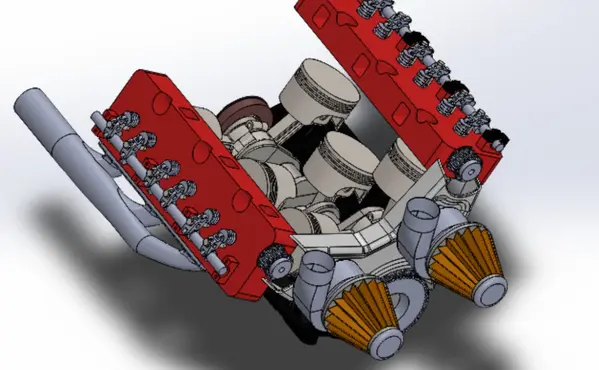


HtoA integrates Arnold rendering with Houdini and Solaris USD scenes for look development, interactive previews, AOVs, and final image sequences.
Arnold for Houdini, known as HtoA, brings Arnold rendering into Houdini scenes and Solaris USD stages. Artists can use it to light a procedural environment, assess the material response of a product or character, review a groom or volume, establish a camera, and prepare AOVs for compositing. In Solaris, Arnold render settings can control such production decisions as sampling, ray depth, shaders, textures, and the rendering device. That makes an Arnold IPR or clean beauty-style render a useful visual checkpoint once the camera, silhouette, scale, key materials, and lighting direction are readable.
RENDERCAD fits around that checkpoint, not in place of it. Start from a focused Arnold IPR, Houdini render view, or Solaris stage capture that already communicates the intended subject and framing. Use the capture to create a polished still for a look brief, client presentation, pitch deck, lighting review, or early marketing conversation. It is particularly useful when a Houdini team needs feedback on the proposed mood of an FX-heavy set, hero asset, or product scene before every technical render choice is final.
RENDERCAD does not evaluate Houdini networks, USD composition, shader graphs, simulation caches, or Arnold light transport. Keep HtoA and the Houdini or Solaris scene as the source of truth for render settings, AOV definitions, color-managed production renders, final EXRs, and animation frames.
In Houdini or Solaris, choose the camera that best explains the asset, FX cache, groom, environment, or USD stage. Make a clean Arnold IPR, render-view image, or beauty-style viewport capture after checking the focal subject, silhouette, material cues, set context, and lighting direction. Avoid debug overlays, technical AOVs, and progress images when the goal is presentation feedback. Upload the focused capture to RENDERCAD to develop a polished still for a look review, stakeholder discussion, or presentation. When comparing alternatives, prepare one capture per meaningful camera or lighting direction so feedback remains tied to the source scene. Return to HtoA for authoritative sampling, volumes, motion blur, AOVs, compositing outputs, and frame sequences.
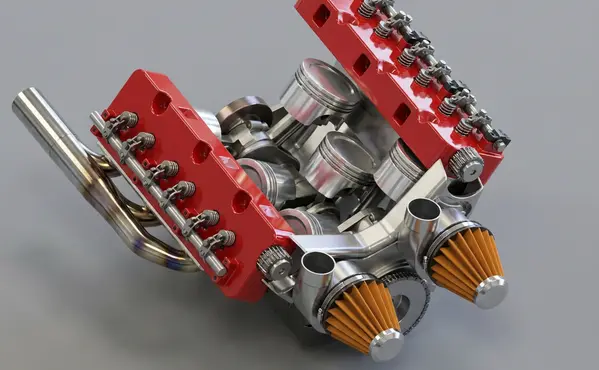
Modeled by CADSharp in Onshape. Rendered with RENDERCAD.
Add | Change | or Remove referenced objects with the stroke of a brush.
RENDERCAD uses a maintained selection of image-generation models for different rendering tasks. Results can vary by model and input, so compare generated output with the source design before relying on geometry, materials, or dimensions.
| Feature | RENDERCAD | Arnold for Houdini (HtoA) |
|---|---|---|
| Engine | Generative AI | Autodesk Arnold physically based ray tracing renderer integrated with Houdini through the HtoA plugin, with CPU and GPU rendering options |
| Output | Images + Video | Rendered stills and frame sequences, interactive render previews, and AOV outputs for compositing |
| Resolution | HD / 4K | Set through Houdini or Solaris render settings; practical limits depend on scene complexity, available memory, and render hardware |
| Image Speed | Image renders complete in 60 seconds. | Scene-dependent; sampling, volumes, displacement, hair, motion blur, and output requirements can increase render time |
| Video Speed | Videos complete in 2-5 minutes. | Animation is rendered as frame sequences through Houdini, Solaris, batch, queue, or render-farm workflows |
| Scene Set Up | No separate local scene | A Houdini or Solaris USD scene with HtoA enabled, materials, lights, cameras, Arnold render settings, and any needed AOV configuration |
| Input | Screen Snip | Houdini scenes and Solaris USD stages used through HtoA, Arnold ROP, Arnold IPR, or Arnold rendering in Solaris |
| Hardware | Cloud GPU | Desktop Houdini workflow on supported operating systems; Arnold GPU rendering is limited to supported hardware and platforms |
| Install | None | Install an HtoA build compatible with the Houdini version and platform in use |
| Cost | from $9/mo | Arnold licensing is required for production use; availability and terms depend on the account and region |
Read the numbers. We trust you to know theirs.
Skip a separate local scene build. Pick a condition, material, and background while RENDERCAD handles the image-generation step. Image renders complete in 60 seconds.
 ™
RENDERCAD™
™
RENDERCAD™
Use the browser workflow directly, capture a selected view with the desktop app, or start from the browser extension.
Get StartedCommon solutions for Arnold for Houdini users
Yes. Mask the product and direct the background with an authorized environment reference. Review the full result because product details can still drift.
Capture the model, describe the wood species and grain direction, and add an authorized material reference when needed. Generated grain varies and should be reviewed for scale and orientation.
Choose the Dusty condition and describe the intended atmosphere. Generated dust is illustrative, so review how it affects important product details.
Upload a CAD screenshot, real photo, or hand drawing, open the Video panel, and choose an available duration, camera preset, and product motion. Videos complete in 2-5 minutes.
Use the RENDERCAD Overlay to capture a clear viewport without rebuilding a separate render scene. Image renders complete in 60 seconds.
Yes. A current desktop capture app and browser extension are available, and the browser upload workflow remains available without either tool.
Upload your image or snip your wireframe view. In RENDERCAD, prompt "Technical Illustration" or "Blueprint style."
Generation runs on cloud infrastructure, so a local rendering GPU is not required. The laptop still needs a supported browser, network access, and enough resources for the source application and image upload.
The core workflow is available in a supported browser and accepts a selected 2D image, so it does not require a rendering plugin in the source application.
The model can reinterpret curves and surface transitions from the 2D input. Compare the result with the source because edges and geometry can drift.
It accepts a clear viewport screenshot, so a separate local material, light, and camera scene is not required for the image-generation workflow.
It lets you describe motion, steam, lighting changes, or atmosphere for a generated clip. Added details may not exist in the source model.