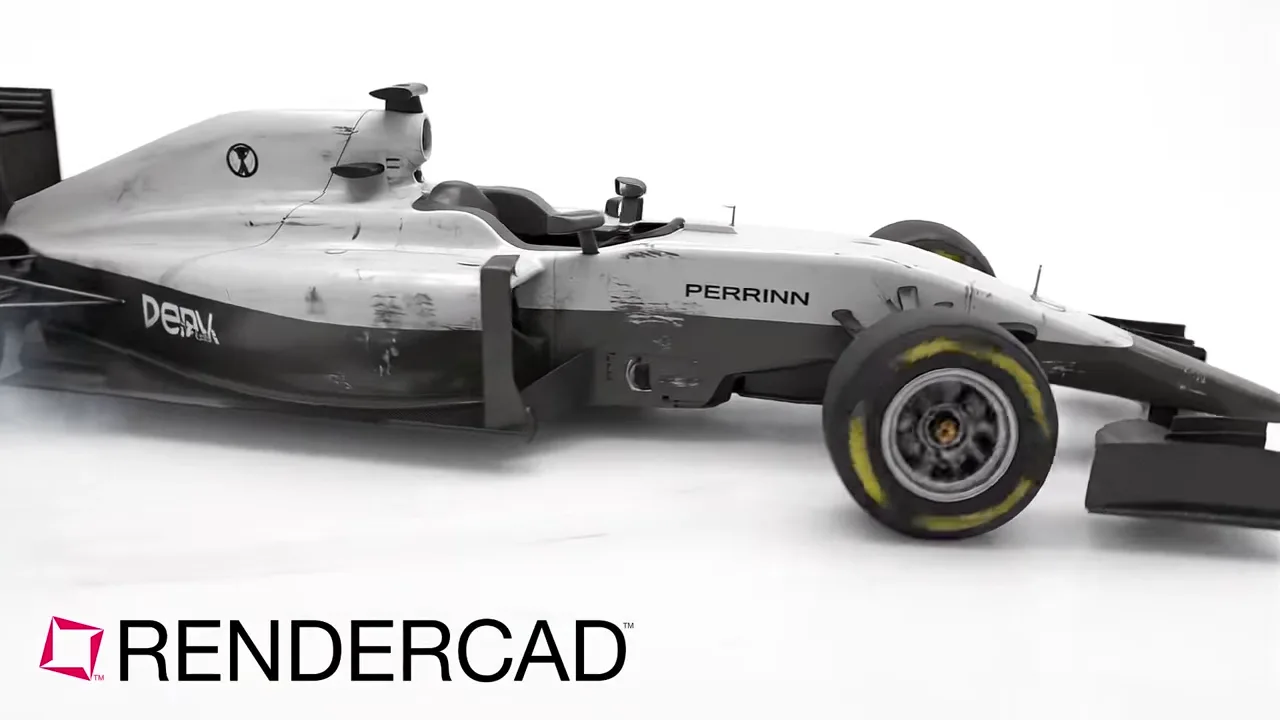
Polished review stills from Katana cameras and Arnold preview renders.
KtoA connects Arnold rendering with Katana scene recipes, node-based lighting, shader assignment, interactive review, and production image outputs for animation and VFX work.


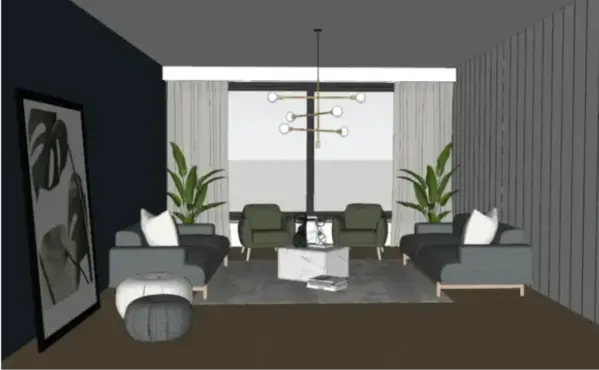
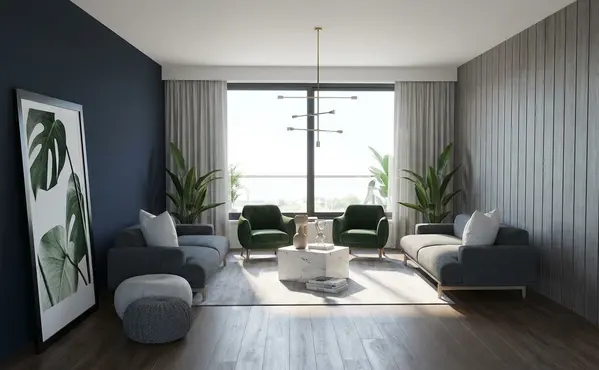


KtoA connects Arnold rendering with Katana scene recipes, node-based lighting, shader assignment, interactive review, and production image outputs for animation and VFX work.
Arnold for Katana, commonly called KtoA, is the bridge that lets Katana artists assemble and light a renderable scene with Arnold. Katana works from scene recipes and scene-graph operations, so a lighting or look-development task can bring together referenced assets, cameras, material assignments, lights, volumes, and render settings without treating the Katana file as the source of every asset. KtoA then translates that evaluated scene for Arnold rendering. This makes it useful for reviewing the camera framing, character or environment silhouette, shader response, practical light placement, atmosphere, and the relationship between a hero asset and its set. RENDERCAD fits after a Katana Monitor or Arnold preview has established the visual intent. Export or capture a clean beauty-style view that clearly shows the approved camera, focal subject, key materials, and lighting mood. Use RENDERCAD to create a polished single image for a lighting brief, look board, pitch, client conversation, or internal approval while the production team continues to refine the scene. It can help people react to a proposed visual direction without waiting for every final render decision. RENDERCAD is not a replacement for KtoA's scene evaluation or Arnold's physically rendered production output. Keep Katana and KtoA as the source of truth for asset references, scene-graph edits, render settings, AOV definitions, final EXRs, frame sequences, and compositing handoff.
In Katana, evaluate the scene recipe through the chosen camera and establish a readable Arnold lighting and material direction. Check that the capture preserves the focal subject, silhouette, important specular or translucent materials, set context, and intended depth. Use a clean Monitor or Arnold preview image rather than a debug view, render-progress image, or technical AOV. Upload that focused beauty-style capture to RENDERCAD to produce a presentation-ready still for a look review, lighting brief, or approval discussion. If the team is comparing directions, make one clean capture per meaningful camera or lighting option so feedback stays tied to the source view. Return to KtoA for the authoritative render setup, AOVs, denoising, final frames, frame sequences, and delivery outputs.
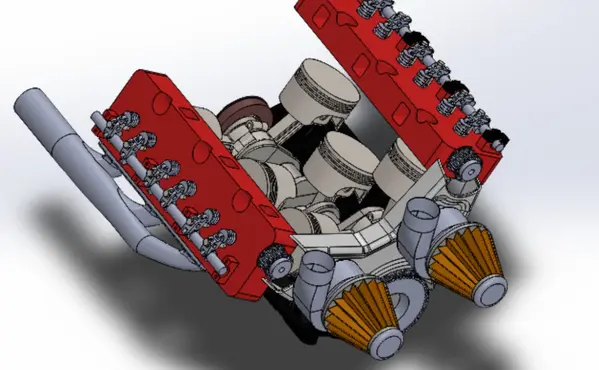
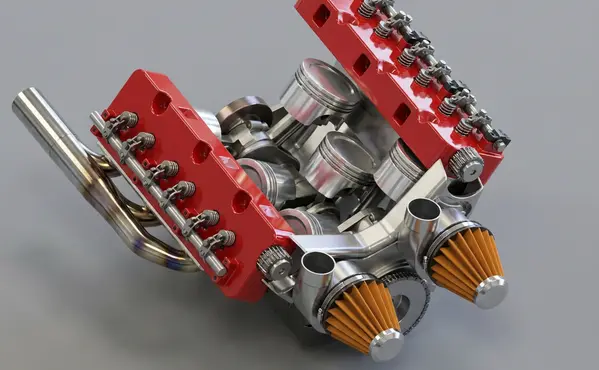
Modeled by CADSharp in Onshape. Rendered with RENDERCAD.
Add | Change | or Remove referenced objects with the stroke of a brush.
RENDERCAD uses a maintained selection of image-generation models for different rendering tasks. Results can vary by model and input, so compare generated output with the source design before relying on geometry, materials, or dimensions.
| Feature | RENDERCAD | Arnold for Katana (KtoA) |
|---|---|---|
| Engine | Generative AI | Autodesk Arnold renderer integrated with Katana through the KtoA plug-in |
| Output | Images + Video | Arnold interactive previews, final stills, frame sequences, and AOV-based image outputs from Katana |
| Resolution | HD / 4K | Set by the Katana camera and Arnold render output settings |
| Image Speed | Image renders complete in 60 seconds. | Scene-dependent; sampling, geometry, textures, volumes, motion blur, and output passes can increase render time |
| Video Speed | Videos complete in 2-5 minutes. | Animation is rendered as individual frames through Arnold and Katana batch or render-farm workflows |
| Scene Set Up | No separate local scene | Katana node and scene graphs with KtoA settings, Arnold lights, cameras, materials, geometry or procedurals, and render outputs |
| Input | Screen Snip | Katana scene recipes with referenced assets, scene-graph attributes, Arnold nodes, material networks, and supported production asset workflows |
| Hardware | Cloud GPU | Desktop Katana workflow on systems supported by the installed Katana, KtoA, and Arnold builds |
| Install | None | Install the KtoA plug-in for the matching Katana version and configure its Katana resources and licensing environment |
| Cost | from $9/mo | Katana and Autodesk Arnold licensing may be required for production workflows; terms vary by account and region |
Read the numbers. We trust you to know theirs.
Skip a separate local scene build. Pick a condition, material, and background while RENDERCAD handles the image-generation step. Image renders complete in 60 seconds.
 ™
RENDERCAD™
™
RENDERCAD™
Use the browser workflow directly, capture a selected view with the desktop app, or start from the browser extension.
Get StartedCommon solutions for Arnold for Katana users
Describe polished gold and choose a neutral or gradient background that can show reflections. Generated metal appearance varies with the input, model, and lighting direction.
Choose a suitable background and describe a reflective floor. Inspect the generated reflection for alignment, product fidelity, and unintended details.
Upload a CAD screenshot, real photo, or hand drawing, open the Video panel, and choose an available duration, camera preset, and product motion. Videos complete in 2-5 minutes.
If the source viewport is visible but a local renderer fails, capture a clear screenshot and use it as a RENDERCAD input. Image renders complete in 60 seconds.
Yes. Upload a photo of a foam model and prompt "Finished plastic product" to visualize the final look.
Use a high-resolution, clear input and Exact style, but expect generated text to drift. Add critical labels in a graphics editor after generation rather than relying on AI text fidelity.
Image renders complete in 60 seconds.
Generation runs on cloud infrastructure, so a local rendering GPU is not required. The device still needs sufficient resources for the source application, browser, and network connection.
Context prompts can provide a visual scale cue, but the source model and known dimensions remain authoritative. Do not infer measurements from generated imagery.
RENDERCAD starts from a 2D image and uses generated material and environment direction. Built-in renderers may provide direct scene, geometry, lighting, and material control.
Provide a material reference or describe the intended scale, then compare the result with known dimensions and the source model.
Yes, if you are authorized to use the photo. It can guide the environment, while placement, lighting, and shadows remain generated interpretations.