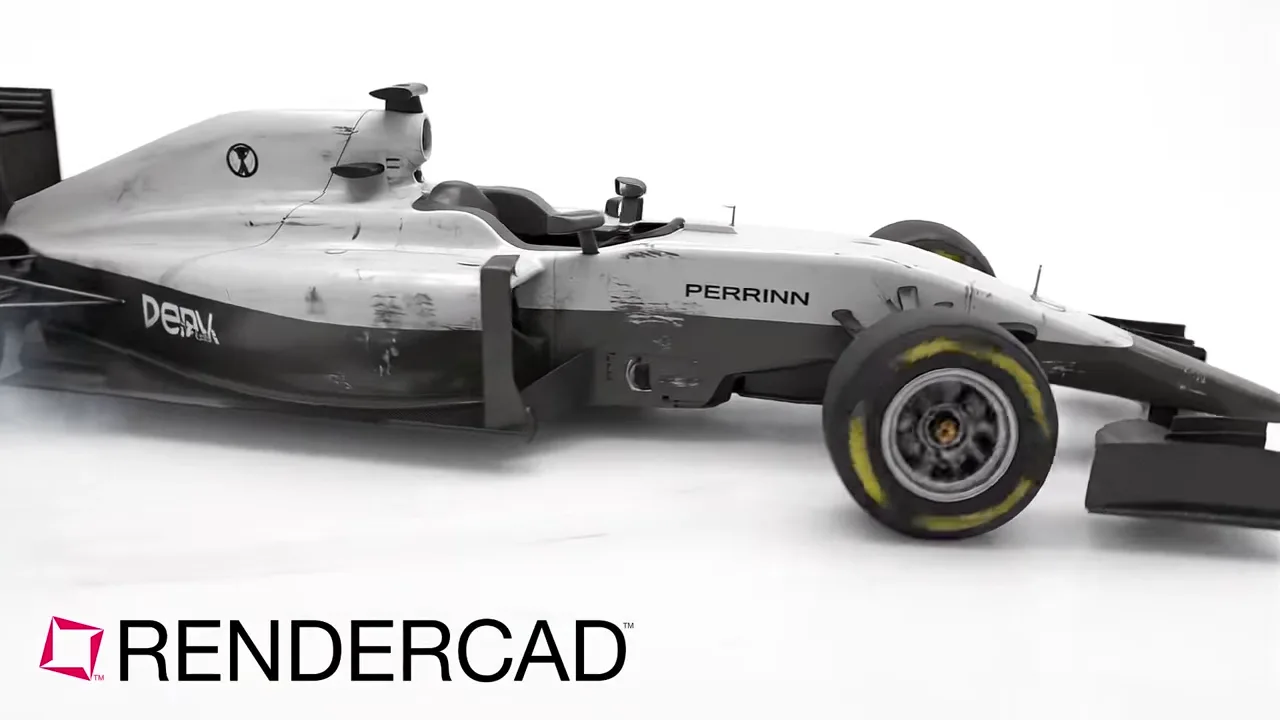
Explore AI look-development stills from MAXtoA camera previews.
Use MAXtoA camera previews to explore look-development directions before producing scene-accurate Arnold renders in 3ds Max.


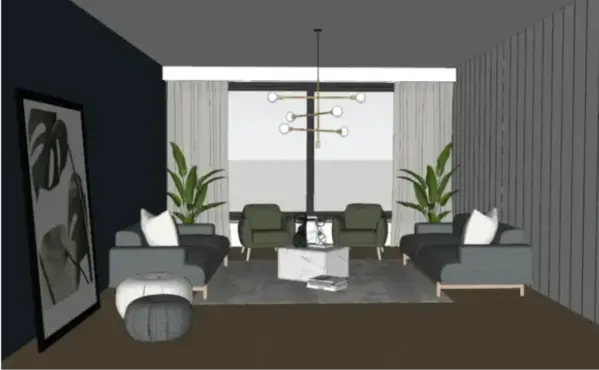
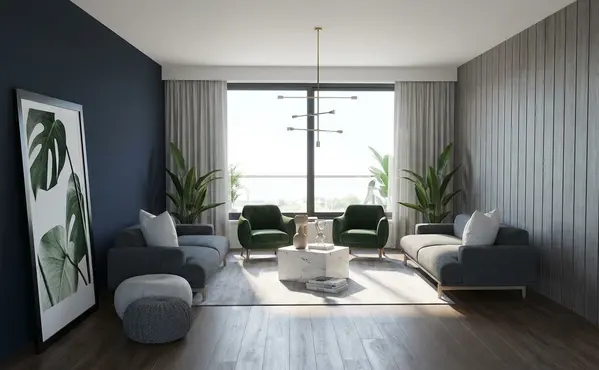
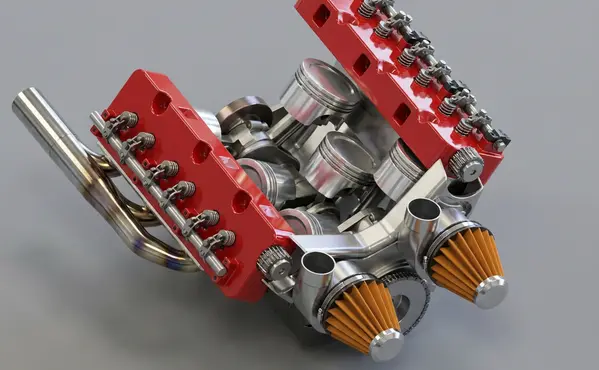


Use MAXtoA camera previews to explore look-development directions before producing scene-accurate Arnold renders in 3ds Max.
Arnold for 3ds Max brings the Arnold renderer into 3ds Max through MAXtoA, where artists set cameras, lights, environment maps, materials, sampling, denoising, and AOVs. It is a natural workflow for product visualization, architectural interiors, props, characters, and advertising-style scenes that need controlled shading and lighting. A useful RENDERCAD input is a clean Arnold RenderView or ActiveShade camera image that already communicates the important geometry, lens choice, framing, material families, key-light direction, and intended background. Use it to explore a presentation-ready still, compare surface finish or lighting mood, and give a client or creative team a concrete direction to discuss before committing more production render time. The result can inform the next lighting, camera, set-dressing, or material pass in the 3ds Max scene, but it does not replace the MAXtoA scene. Return to Arnold for source-of-truth geometry, physically controlled shaders, exact color management, sampling, denoising, AOV passes, motion blur, volumes, compositing, and final animation frames.
In 3ds Max, select Arnold as the renderer and establish the production camera, basic lighting, environment or backplate, and Arnold-compatible materials. Render an interactive preview or Arnold RenderView image after the subject reads clearly at the chosen camera angle. Avoid work-in-progress views with hidden geometry, selection outlines, or unclear silhouettes. Upload the strongest camera image to RENDERCAD to evaluate a still for presentation mood, backdrop treatment, product finish, or an alternative art-direction route. Use that review to identify changes worth making in the actual scene, such as a revised camera crop, softer key light, clearer reflections, or a different material balance. Then make those decisions in MAXtoA, where the 3ds Max scene remains authoritative, configure sampling and denoising, set any required AOVs, and render the final stills or animation frames for compositing and delivery.
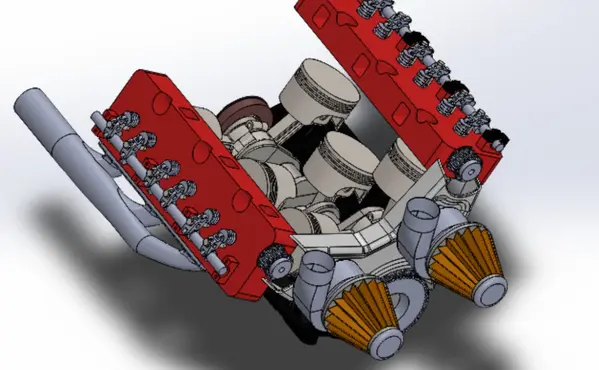
Modeled by CADSharp in Onshape. Rendered with RENDERCAD.
Add | Change | or Remove referenced objects with the stroke of a brush.
RENDERCAD uses a maintained selection of image-generation models for different rendering tasks. Results can vary by model and input, so compare generated output with the source design before relying on geometry, materials, or dimensions.
| Feature | RENDERCAD | Arnold for 3ds Max (MAXtoA) |
|---|---|---|
| Engine | Generative AI | Arnold renderer integrated with 3ds Max through the MAXtoA plug-in, with CPU and GPU device options |
| Output | Images + Video | Rendered stills, animation frames, Arnold RenderView images, and AOV output for compositing |
| Resolution | HD / 4K | Set in 3ds Max render settings; practical limits depend on scene complexity, sampling, memory, and hardware |
| Image Speed | Image renders complete in 60 seconds. | Depends on scene translation, lighting, shaders, sampling, volumes, motion blur, denoising, and hardware |
| Video Speed | Videos complete in 2-5 minutes. | Animation is rendered as individual frames; speed depends on the scene, settings, and available hardware |
| Scene Set Up | No separate local scene | A 3ds Max scene with MAXtoA installed, Arnold selected as the renderer, cameras, lights, Arnold-compatible shading, render settings, and optional AOVs |
| Input | Screen Snip | 3ds Max scenes rendered through MAXtoA using production rendering, ActiveShade, or Arnold RenderView |
| Hardware | Cloud GPU | Desktop 3ds Max workflow with a compatible MAXtoA installation |
| Install | None | A MAXtoA installation compatible with the installed 3ds Max version is required |
| Cost | from $9/mo | 3ds Max and Arnold licensing availability and terms vary by region and account |
Read the numbers. We trust you to know theirs.
Skip a separate local scene build. Pick a condition, material, and background while RENDERCAD handles the image-generation step. Image renders complete in 60 seconds.
 ™
RENDERCAD™
™
RENDERCAD™
Use the browser workflow directly, capture a selected view with the desktop app, or start from the browser extension.
Get StartedCommon solutions for Arnold for 3ds Max users
Videos complete in 2-5 minutes.
No local NVIDIA rendering GPU is required. Use a supported browser to upload an image or a current capture tool to select a screenshot; generation runs on cloud infrastructure.
The Render History page lets you browse and download retained images and videos. Storage duration depends on the account plan, so download assets you need before they expire.
Log into RENDERCAD Studio in a supported browser, upload a clear CAD screenshot or another supported 2D input, and generate an image for review.
The core workflow starts from a selected 2D view, so it does not require native CAD-file conversion or source-model upload.
Reuse a clear history image and change the color instruction or reference. Treat the results as visual options rather than color-managed proof.
Describe the finish, gloss, grain direction, and lighting, or provide an authorized material reference. Generated reflections are visual approximations rather than physically verified material behavior.
It uses generative image models with screenshot or image inputs. Models and features can change over time, so current product documentation is the source of truth.
Video jobs consume credits based on current duration and model settings. Check the pricing page for current costs rather than comparing with an assumed outsourcing price.
Use an authorized photo with the intended studio, outdoor, or dramatic lighting as a reference. It guides the look but does not reproduce a measured lighting setup.
Mask the visible label area and attach authorized artwork as a reference to guide the generated mockup. Verify spelling, shape, color, placement, and perspective; add exact production artwork afterward in a graphics or packaging-design tool.
Reuse the same source image with authorized daytime and night lighting references or instructions. Compare both outputs with the source because lighting changes can also alter generated details.