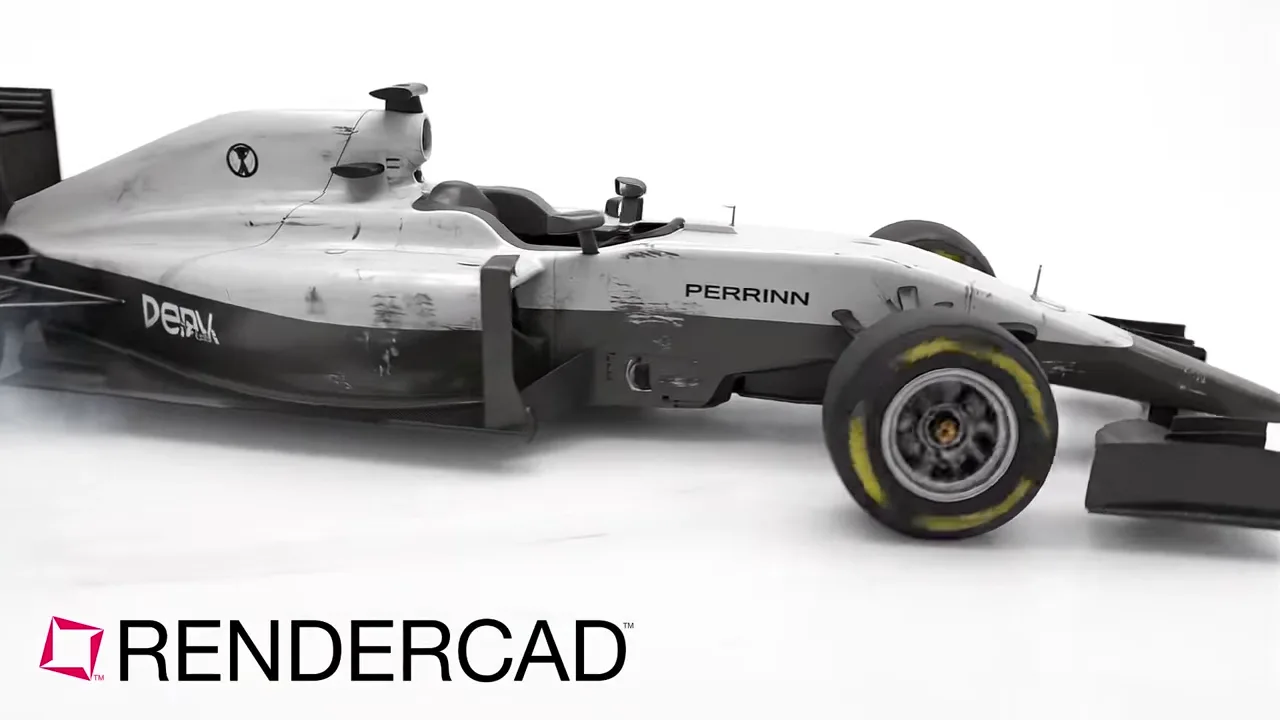
Presentation visuals from ZWCAD-based structural drawings, assemblies, and model views.
Presentation visualization for ZWCAD-based structural detailing drawings, model views, and assembly studies. Use a curated DWG viewport to communicate the form and context of a steel or reinforced-concrete element while keeping the technical drawing as the controlled record.


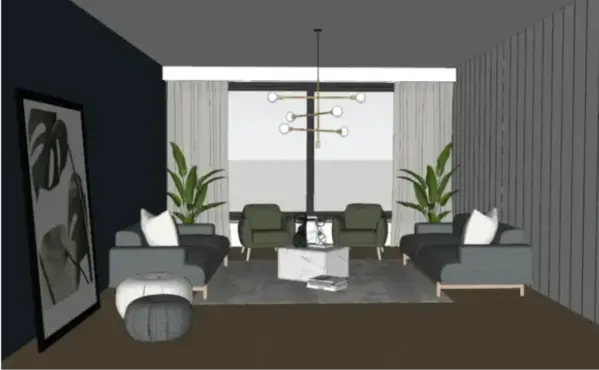
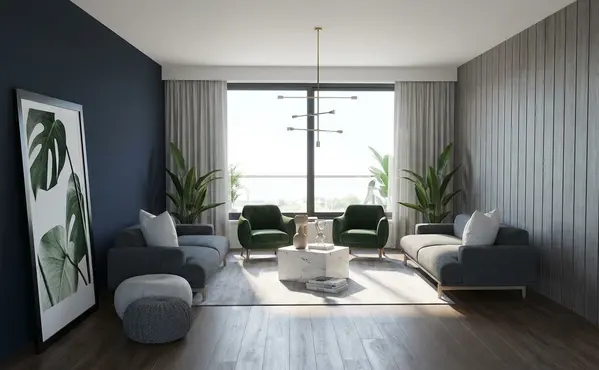
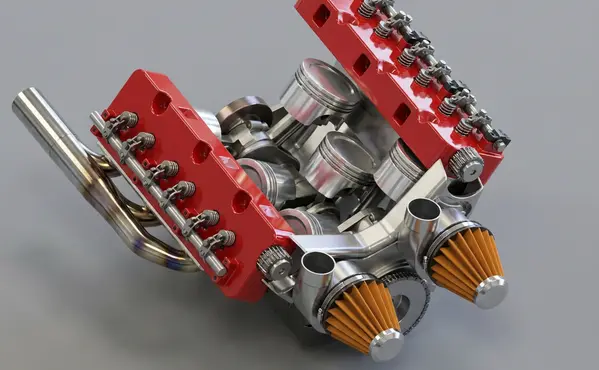


Presentation visualization for ZWCAD-based structural detailing drawings, model views, and assembly studies. Use a curated DWG viewport to communicate the form and context of a steel or reinforced-concrete element while keeping the technical drawing as the controlled record.
ZWCAD Structural can refer to ZWCAD-based structural detailing workflows and add-ons used to prepare steel members, frames, bracing, connections, reinforced-concrete elements, and related drawing views. Those workflows can generate the information needed for plans, elevations, sections, material lists, and fabrication or construction documentation. RENDERCAD fits the separate communication task that follows: explaining an already-developed assembly or structural concept to a client, architect, estimator, project team, or portfolio audience.
A useful source image is a clean plan, elevation, section, isometric, or shaded model viewport that clearly shows the structural story. For a steel package, that might be a portal frame, stair support, truss bay, or beam-to-column connection. For concrete work, it may be a slab edge, foundation, column, retaining element, or selected reinforcement arrangement shown with its host geometry. The aim is not to make every bar mark or dimension readable; it is to make hierarchy, load-bearing form, material character, and relationship to the surrounding building easier to discuss.
RENDERCAD can turn that prepared view into a presentation visual for design reviews, proposals, coordination conversations, tender material, or a project case study. Keep engineering calculations, member sizes, reinforcement placement, tolerances, schedules, and issued shop or construction drawings in the original structural workflow. A generated visual can support communication, but it is not evidence for code compliance, fabrication, quantities, or site installation.
Start from a checked ZWCAD drawing or model view and create a presentation copy so the issued detail stays unchanged. Isolate the layers that explain the assembly: primary and secondary steel, plates and bracing, concrete form, openings, or a restrained selection of reinforcement. Hide dense dimensions, leaders, bar marks, schedules, construction geometry, and drafting aids that will distract from the image. Choose a plan, elevation, section, isometric, or shaded view with enough surrounding geometry to establish scale and connection.
Export a high-resolution viewport image, then use RENDERCAD to describe the desired material treatment, lighting, camera character, building context, and audience. A restrained steel connection study may need close, neutral lighting; a frame proposal may benefit from an exterior or partially built context; a concrete assembly can use a cutaway-style view to clarify the host element. Compare the result with the source drawing before sharing, and return to the controlled DWG for every technical decision. For repeatable automation, see RENDERCAD developer documentation.
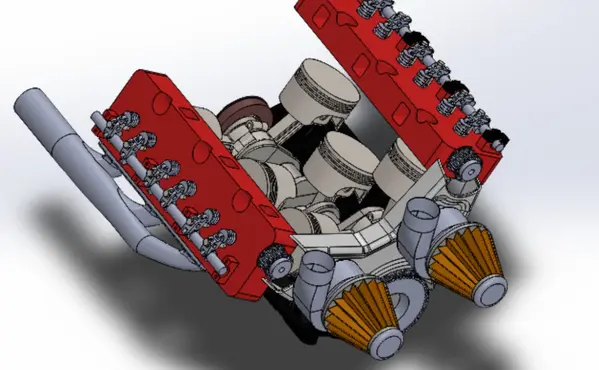
Modeled by CADSharp in Onshape. Rendered with RENDERCAD.
Add | Change | or Remove referenced objects with the stroke of a brush.
RENDERCAD uses a maintained selection of image-generation models for different rendering tasks. Results can vary by model and input, so compare generated output with the source design before relying on geometry, materials, or dimensions.
| Feature | RENDERCAD | Competitor |
|---|---|---|
| Engine | Generative AI | Varies by tool |
| Output | Images + Video | Varies by tool |
| Resolution | HD / 4K | Varies by workflow |
| Image Speed | Image renders complete in 60 seconds. | Varies by scene/tool |
| Video Speed | Videos complete in 2-5 minutes. | Varies by workflow |
| Scene Set Up | No separate local scene | Varies by workflow |
| Input | Screen Snip | Varies by tool |
| Hardware | Cloud GPU | Often local GPU/CPU |
| Install | None | Varies (web or app) |
| Cost | from $9/mo | Varies widely |
Read the numbers. We trust you to know theirs.
Skip a separate local scene build. Pick a condition, material, and background while RENDERCAD handles the image-generation step. Image renders complete in 60 seconds.
 ™
RENDERCAD™
™
RENDERCAD™
Use the browser workflow directly, capture a selected view with the desktop app, or start from the browser extension.
Get StartedCommon solutions for ZWCAD Structural users
Capture a clear view and describe the intended glow color, brightness, and surrounding light spill. Review the generated image because bloom and illumination can vary.
Add phrases like "Light from left," "Backlit," or "Top down lighting" to your custom prompt in RENDERCAD.
Yes. Choose the Dolly In or Dolly Out camera preset in the Video panel, then review the clip for product and geometry fidelity.
Submit a clear viewport screenshot to the web workflow instead of running a local scene render. The generation request runs in the cloud while your source application remains separate.
Open the current desktop app or browser extension, select the viewport region, and send the captured image into the screenshot-based workflow. Availability and device requirements are documented on the current download pages.
Choose a White background and describe a grounded subject with a soft contact shadow. Inspect the generated shadow for alignment and plausibility.
It supports fast visual feedback from a clear viewport capture. Image renders complete in 60 seconds.
The current desktop app or browser extension can capture a selected viewport region and send that screenshot into the image workflow. The web upload path remains available without a CAD plugin.
Choose a background or describe the intended environment and lighting. Generated reflections and illumination are visual interpretations, not a scene-based light simulation.
4K is an optional output-resolution step. It increases pixel dimensions but does not restore missing source detail or guarantee print suitability.
It guides the video toward a looping transition. Review continuity after export because the first and last frames may still need editing.
Yes, if you are authorized to use the photo. It can guide the environment, while placement, lighting, and shadows remain generated interpretations.