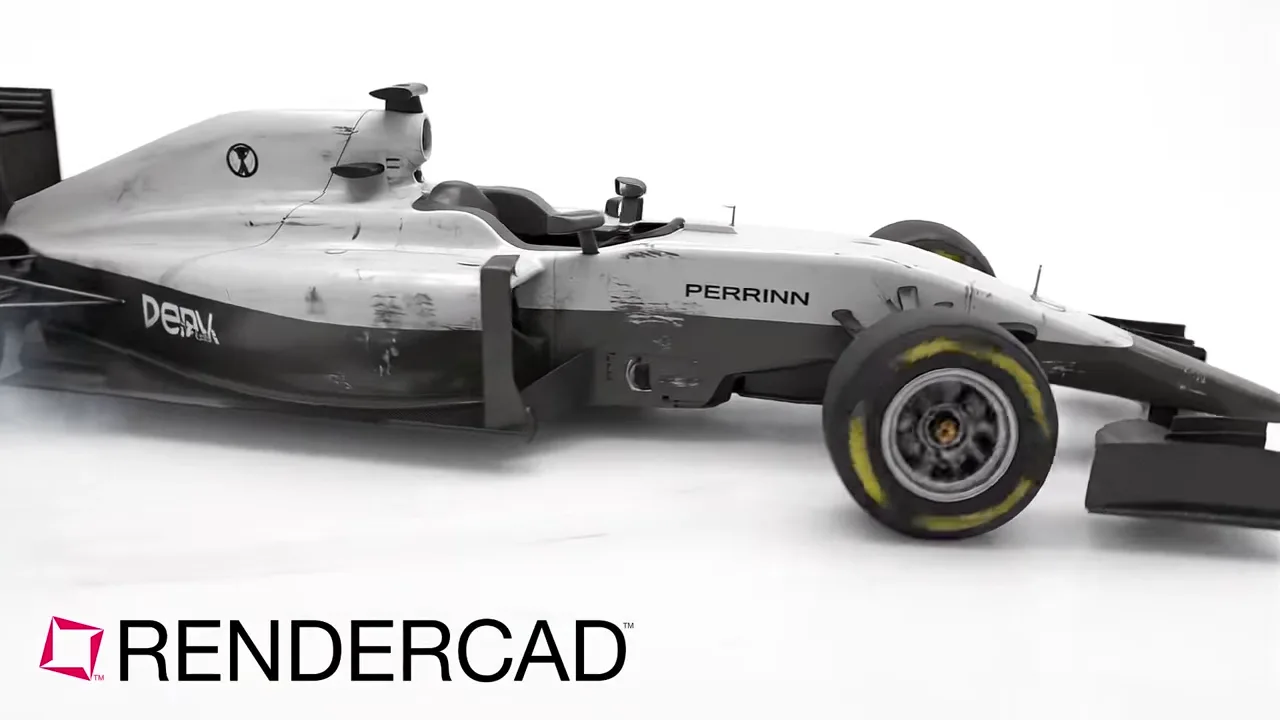
Turn Braceworks views into clear event and rigging presentation visuals.
Vectorworks Spotlight add-on for modeling entertainment rigging, checking suspended structures under load, and producing rigging documentation.


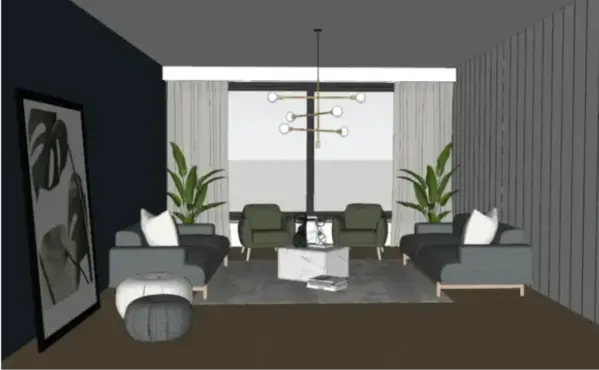
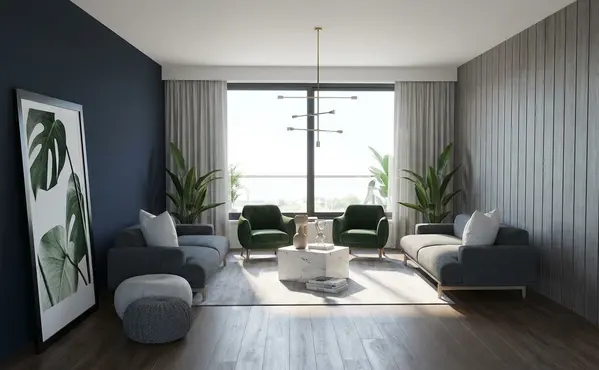


Vectorworks Spotlight add-on for modeling entertainment rigging, checking suspended structures under load, and producing rigging documentation.
Vectorworks Braceworks is used by entertainment designers, riggers, technical directors, and production teams to assemble connected truss, pipe, hoist, bridle, and load systems in a venue or show design. Its analysis, system checking, and reports serve the technical rigging workflow. RENDERCAD is useful later, when the same model needs a clear visual story for people who do not read rigging documentation every day. Start with a composed Vectorworks 3D perspective or sheet viewport that makes the stage, flown truss, video, lighting, scenic pieces, and room scale easy to understand. A rendered concept can show how the overhead system relates to the performance space, audience sightlines, scenic environment, and intended show mood for a pitch deck, venue conversation, production meeting, or client option review. It is especially helpful for translating an otherwise diagrammatic truss layout into a presentation image while preserving the visible layout as the creative brief. RENDERCAD does not validate loads, connections, clearances, hoist forces, or structural suitability. Keep Braceworks calculations, reports, equipment data, venue constraints, and any required engineer review as the source of truth.
Build and coordinate the rigging system in Vectorworks and use Braceworks to run the applicable checks, resolve issues, and create the technical documentation required by the project. For presentation work, duplicate or isolate a view that shows one understandable scene: an audience-facing stage perspective, an elevated venue overview, a section revealing flown equipment, or an axonometric view of truss and scenic relationships. Hide dimensions, calculation graphics, class clutter, and objects that distract from the story, but retain the stage footprint, major truss runs, supports, lighting positions, screens, scenery, and architecture that establish scale. Export the viewport or capture a high-resolution image and upload it to RENDERCAD. Describe a visual direction such as a concert look, corporate event, theatre scene, or exhibition atmosphere, while asking to preserve the chosen camera and design-defining rigging layout. Use the resulting image as a companion to drawings and reports, not as fabrication, installation, or sign-off information. Recheck the original Braceworks file whenever the rigging design changes.
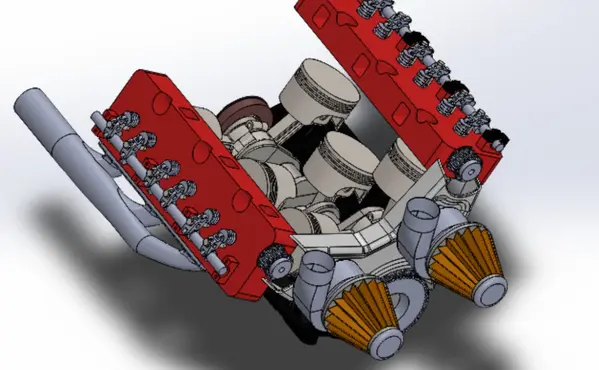
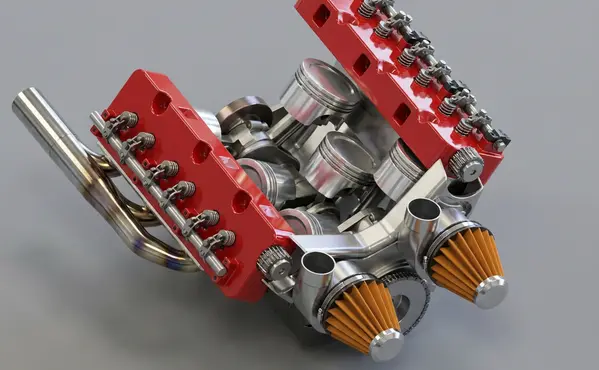
Modeled by CADSharp in Onshape. Rendered with RENDERCAD.
Add | Change | or Remove referenced objects with the stroke of a brush.
RENDERCAD uses a maintained selection of image-generation models for different rendering tasks. Results can vary by model and input, so compare generated output with the source design before relying on geometry, materials, or dimensions.
| Feature | RENDERCAD | Competitor |
|---|---|---|
| Engine | Generative AI | Varies by tool |
| Output | Images + Video | Varies by tool |
| Resolution | HD / 4K | Varies by workflow |
| Image Speed | Image renders complete in 60 seconds. | Varies by scene/tool |
| Video Speed | Videos complete in 2-5 minutes. | Varies by workflow |
| Scene Set Up | No separate local scene | Varies by workflow |
| Input | Screen Snip | Varies by tool |
| Hardware | Cloud GPU | Often local GPU/CPU |
| Install | None | Varies (web or app) |
| Cost | from $9/mo | Varies widely |
Read the numbers. We trust you to know theirs.
Skip a separate local scene build. Pick a condition, material, and background while RENDERCAD handles the image-generation step. Image renders complete in 60 seconds.
 ™
RENDERCAD™
™
RENDERCAD™
Use the browser workflow directly, capture a selected view with the desktop app, or start from the browser extension.
Get StartedCommon solutions for Vectorworks Braceworks users
Choose the Dusty condition and describe the intended atmosphere. Generated dust is illustrative, so review how it affects important product details.
RENDERCAD videos are generated at 720p.
Use the RENDERCAD Overlay to capture a clear viewport without rebuilding a separate render scene. Image renders complete in 60 seconds.
Yes. A current desktop capture app and browser extension are available, and the browser upload workflow remains available without either tool.
Describe the color code name (e.g., "Traffic Red") in the prompt.
Generation runs on cloud infrastructure, so a local rendering GPU is not required. The laptop still needs a supported browser, network access, and enough resources for the source application and image upload.
The core workflow is available in a supported browser and accepts a selected 2D image, so it does not require a rendering plugin in the source application.
The model can reinterpret curves and surface transitions from the 2D input. Compare the result with the source because edges and geometry can drift.
It accepts a clear viewport screenshot, so a separate local material, light, and camera scene is not required for the image-generation workflow.
It lets you describe motion, steam, lighting changes, or atmosphere for a generated clip. Added details may not exist in the source model.
Use authorized product photography to guide angles, shadows, or highlights. Review the result for product and brand fidelity.
Yes. Mask each region and assign an authorized texture reference or instruction. Review material boundaries, scale, and product fidelity after generation.