Fashion presentation visuals guided by TUKA3D virtual samples.
TUKA3D is 3D apparel design and virtual sample software for developing garments from pattern data, fabric settings, trims, artwork, and virtual fit models. Apparel teams use its drape and motion views to inspect how a style sits and moves before they create presentation imagery.




TUKA3D is 3D apparel design and virtual sample software for developing garments from pattern data, fabric settings, trims, artwork, and virtual fit models. Apparel teams use its drape and motion views to inspect how a style sits and moves before they create presentation imagery.
TUKA3D is built around virtual apparel sampling and fit review. A designer or technical team can arrange and stitch pattern pieces around a virtual fit model, apply digital cloth, trims, colorways, placement artwork, and logos, then examine the garment in a chosen pose or in motion. That makes a front, back, three-quarter, or detail view useful when the approved silhouette, fit-model proportions, fabric character, and graphic placement need to be communicated together. Its fit analysis views are valuable for technical review, but they are usually not the right source image for a customer-facing render.
After the construction and fit decisions are settled, RENDERCAD can use a clean TUKA3D still as visual direction for a buyer deck, range presentation, merchandising concept, lookbook treatment, or ecommerce art direction. Choose the view that best reveals the intended garment rather than asking a generated image to infer hidden panels, closures, or the reverse side. The result can explore a more polished studio, campaign, or retail context while remaining grounded in the virtual sample. Keep the TUKA3D sample, pattern data, fabric settings, and fit review as the source of truth for garment accuracy and production approval.
First, use TUKA3D to confirm the pattern-driven sample, fabric behavior, fit model, artwork placement, and the review angle. For a moving style, select a representative still after the fit session rather than a frame dominated by diagnostic overlays. Set a clear camera view, hide interface panels, and capture the garment large enough to preserve key seams, trims, prints, and proportions. Upload that approved view to RENDERCAD and specify the desired audience and treatment: a clean studio product image, a seasonal campaign direction, a line-sheet visual, or a merchandising scene. Iterate on lighting, backdrop, styling, and composition, then compare the output back to the TUKA3D sample before using it in a presentation. Do not use the generated render to approve fit, material performance, grading, or manufacturing details; return to TUKA3D and the underlying apparel files for those decisions. For repeated-output implementation, consult the RENDERCAD developer documentation.
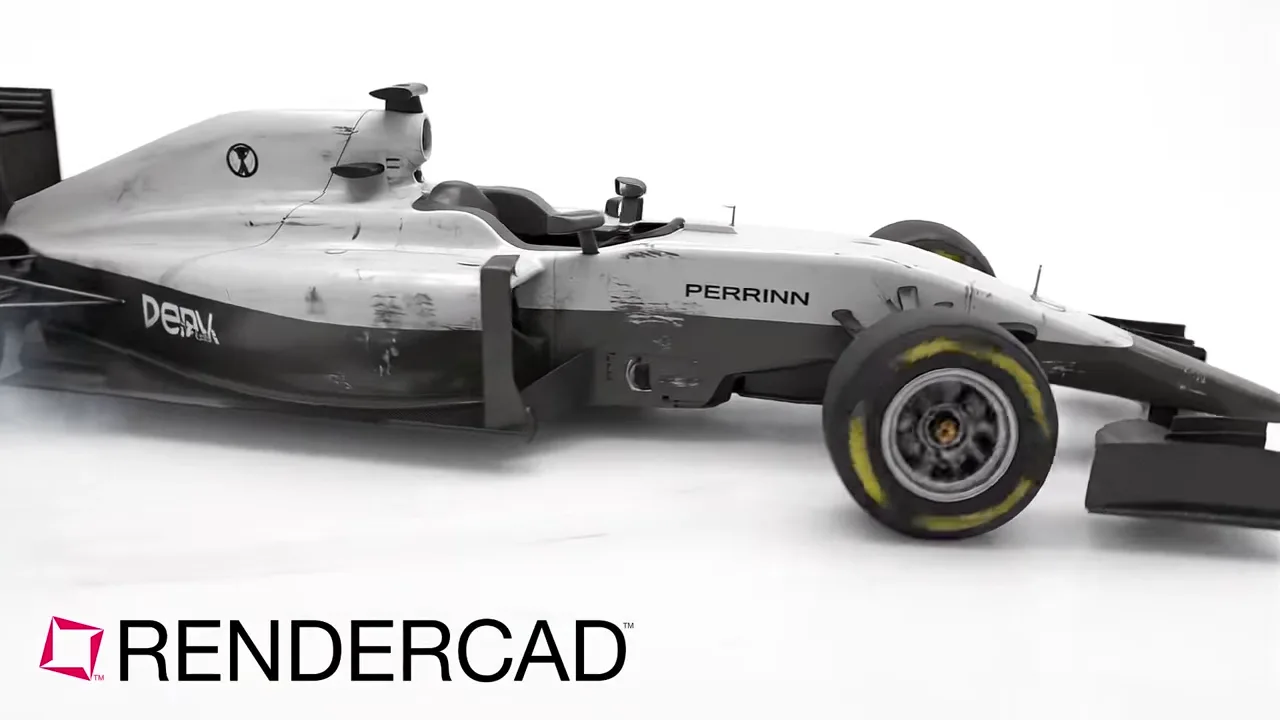
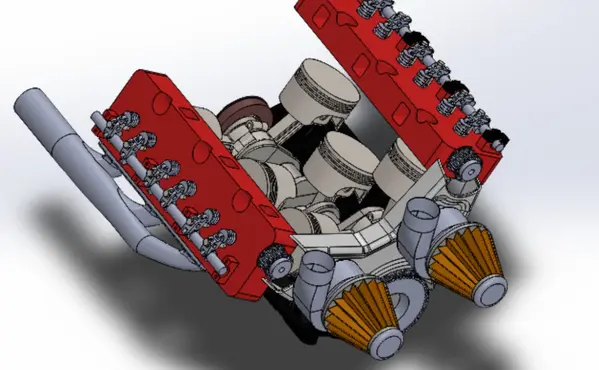
Modeled by CADSharp in Onshape. Rendered with RENDERCAD.
Add | Change | or Remove referenced objects with the stroke of a brush.
RENDERCAD uses a maintained selection of image-generation models for different rendering tasks. Results can vary by model and input, so compare generated output with the source design before relying on geometry, materials, or dimensions.
| Feature | RENDERCAD | Competitor |
|---|---|---|
| Engine | Generative AI | Varies by tool |
| Output | Images + Video | Varies by tool |
| Resolution | HD / 4K | Varies by workflow |
| Image Speed | Image renders complete in 60 seconds. | Varies by scene/tool |
| Video Speed | Videos complete in 2-5 minutes. | Varies by workflow |
| Scene Set Up | No separate local scene | Varies by workflow |
| Input | Screen Snip | Varies by tool |
| Hardware | Cloud GPU | Often local GPU/CPU |
| Install | None | Varies (web or app) |
| Cost | from $9/mo | Varies widely |
Read the numbers. We trust you to know theirs.
Skip a separate local scene build. Pick a condition, material, and background while RENDERCAD handles the image-generation step. Image renders complete in 60 seconds.
 ™
RENDERCAD™
™
RENDERCAD™
Use the browser workflow directly, capture a selected view with the desktop app, or start from the browser extension.
Get StartedCommon solutions for TUKA3D users
Add a familiar scale cue such as a person, hand, or furniture item, then verify the generated relationship against known dimensions in the source model.
It supports fast visual feedback from a clear viewport capture. Image renders complete in 60 seconds.
The current desktop app or browser extension can capture a selected viewport region and send that screenshot into the image workflow. The web upload path remains available without a CAD plugin.
Choose a background or describe the intended environment and lighting. Generated reflections and illumination are visual interpretations, not a scene-based light simulation.
4K is an optional output-resolution step. It increases pixel dimensions but does not restore missing source detail or guarantee print suitability.
It guides the video toward a looping transition. Review continuity after export because the first and last frames may still need editing.
Yes, if you are authorized to use it. A background reference guides environment, lighting, and composition, but generated placement and perspective can vary.
Mask visible components separately when they need different material or color direction. Keep the source model or drawing beside the output because generated boundaries and part relationships can drift.
Yes. Mask the product and direct the background with an authorized environment reference. Review the full result because product details can still drift.
Upload a CAD screenshot, real photo, or hand drawing and describe condensation or water droplets in the custom prompt. Generated placement and appearance vary, so iterate or mask a region when needed.
Choose the Dusty condition and describe the intended atmosphere. Generated dust is illustrative, so review how it affects important product details.
Videos complete in 2-5 minutes.