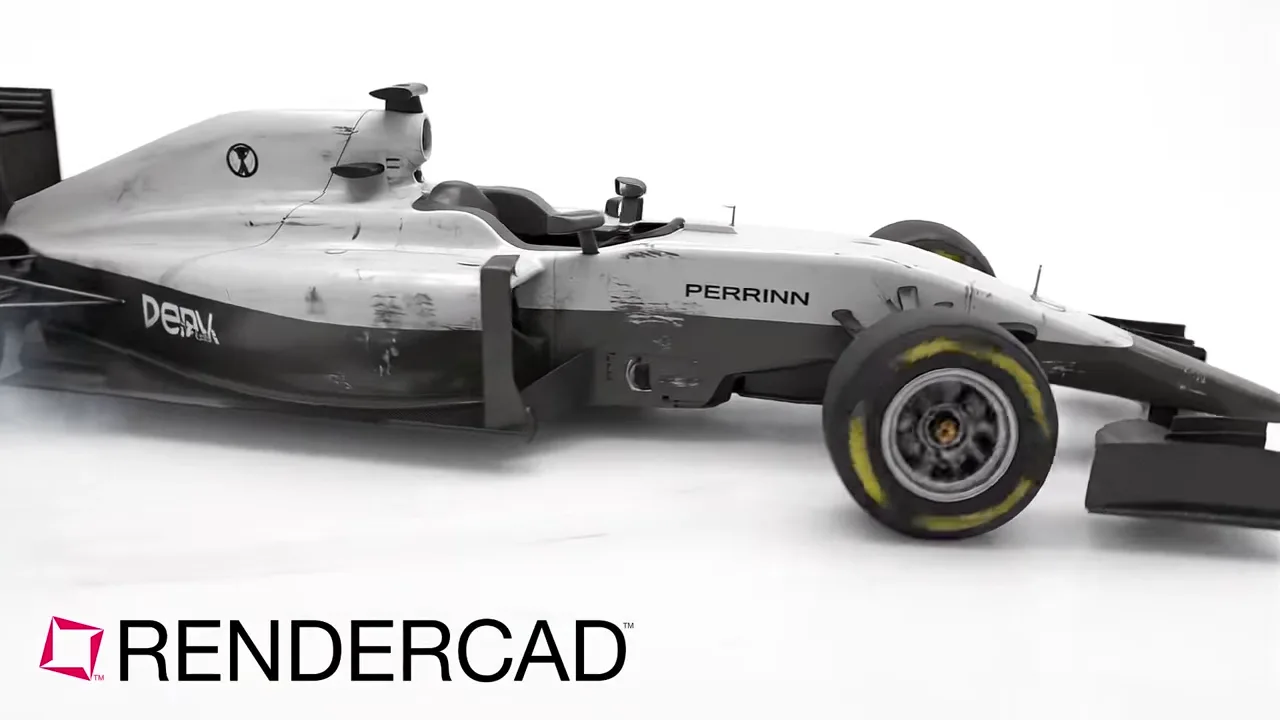
AI render concepts from TurboCAD Mac Pro design views.
Mac 2D/3D CAD for drafting, ACIS solid and surface modeling, assemblies, architectural design, and photorealistic render views. RENDERCAD can turn a carefully framed TurboCAD Mac Pro design view into a presentation-focused visual while the CAD file remains the geometry source of truth.


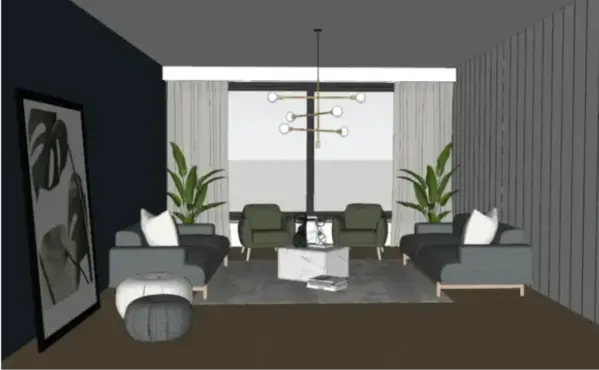

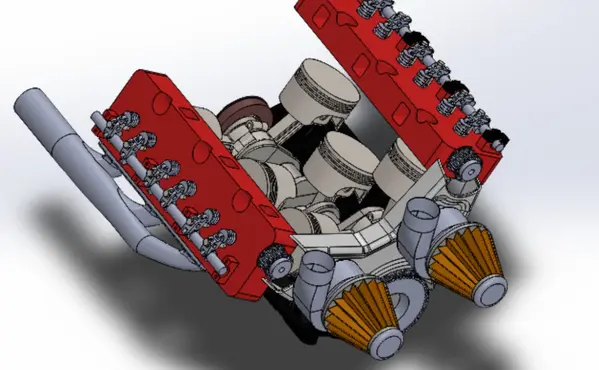
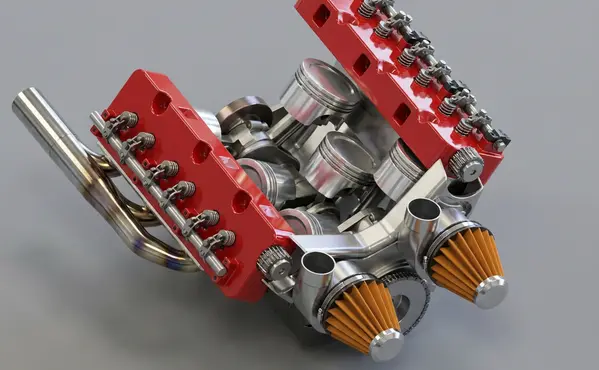


Mac 2D/3D CAD for drafting, ACIS solid and surface modeling, assemblies, architectural design, and photorealistic render views. RENDERCAD can turn a carefully framed TurboCAD Mac Pro design view into a presentation-focused visual while the CAD file remains the geometry source of truth.
TurboCAD Mac Pro is used for the design work that needs a readable visual alongside accurate CAD: 2D drawing, ACIS solid and surface modeling, assemblies, architectural objects, and render preparation. Its rendering tools can establish materials, lights, backgrounds, and camera framing, making a shaded or rendered viewport a useful starting point for RENDERCAD. Use that starting point when a product concept, assembly, room, facade, or building mass needs several presentation directions for a proposal, finish discussion, client review, or marketing draft. RENDERCAD is particularly useful for exploring the look around a design - such as lighting character, material mood, environment, and composition - without altering the TurboCAD model. It does not replace the CAD drawing for dimensions, manufacturability, exact material specification, or engineering approval; keep TurboCAD Mac Pro as the source of truth for those decisions.
In TurboCAD Mac Pro, isolate the objects and layers that should guide the image, then select a perspective, elevation, section, or close product view. For a fast starting image, use a clean shaded viewport; when helpful, first apply the program's render materials, decals, lights, or background so the design intent is unmistakable. Hide dimensions, construction geometry, selection handles, and unrelated objects before capturing the view. Mechanical and product images should retain clear silhouettes, part boundaries, seams, and joints. Architectural images should make the massing, openings, room layout, or focal material transition legible. Upload the capture to RENDERCAD with the intended finish, lighting, setting, and audience in mind, then compare visual directions for presentations, review boards, or marketing drafts. Return to TurboCAD Mac Pro to validate geometry and make any source-model changes; use the generated image as a presentation concept, not a substitute for a dimensioned drawing. Developers automating repeatable visual output can start at RENDERCAD developer documentation.
Modeled by CADSharp in Onshape. Rendered with RENDERCAD.
Add | Change | or Remove referenced objects with the stroke of a brush.
RENDERCAD uses a maintained selection of image-generation models for different rendering tasks. Results can vary by model and input, so compare generated output with the source design before relying on geometry, materials, or dimensions.
| Feature | RENDERCAD | Competitor |
|---|---|---|
| Engine | Generative AI | Varies by tool |
| Output | Images + Video | Varies by tool |
| Resolution | HD / 4K | Varies by workflow |
| Image Speed | Image renders complete in 60 seconds. | Varies by scene/tool |
| Video Speed | Videos complete in 2-5 minutes. | Varies by workflow |
| Scene Set Up | No separate local scene | Varies by workflow |
| Input | Screen Snip | Varies by tool |
| Hardware | Cloud GPU | Often local GPU/CPU |
| Install | None | Varies (web or app) |
| Cost | from $9/mo | Varies widely |
Read the numbers. We trust you to know theirs.
Skip a separate local scene build. Pick a condition, material, and background while RENDERCAD handles the image-generation step. Image renders complete in 60 seconds.
 ™
RENDERCAD™
™
RENDERCAD™
Use the browser workflow directly, capture a selected view with the desktop app, or start from the browser extension.
Get StartedCommon solutions for TurboCAD Mac Pro users
It lets you describe motion, steam, lighting changes, or atmosphere for a generated clip. Added details may not exist in the source model.
Yes, if you are authorized to use them. Catalog images can guide a visual direction, but generated quality and product fidelity vary.
Image references and masks are applied during the initial image render. Once you have your styled image, use the Image-to-Video feature to animate it with camera movements.
Reuse the same authorized lighting, material, and style references, then review every output against the brand system. References can help consistency but do not guarantee it.
Capture a clear view, select the Realistic engine, choose the Factory New condition, and describe brushed aluminum. A material reference can guide grain direction, but review the generated surface against the source design.
Choose a suitable background and describe a reflective floor. Inspect the generated reflection for alignment, product fidelity, and unintended details.
Videos complete in 2-5 minutes.
If the source viewport is visible but a local renderer fails, capture a clear screenshot and use it as a RENDERCAD input. Image renders complete in 60 seconds.
Yes. Upload a photo of a foam model and prompt "Finished plastic product" to visualize the final look.
RENDERCAD is standalone. You don't need a TurboCAD Mac Pro rendering license - just the ability to view your model on screen.
Image renders complete in 60 seconds.
Generation runs on cloud infrastructure, so a local rendering GPU is not required. The device still needs sufficient resources for the source application, browser, and network connection.