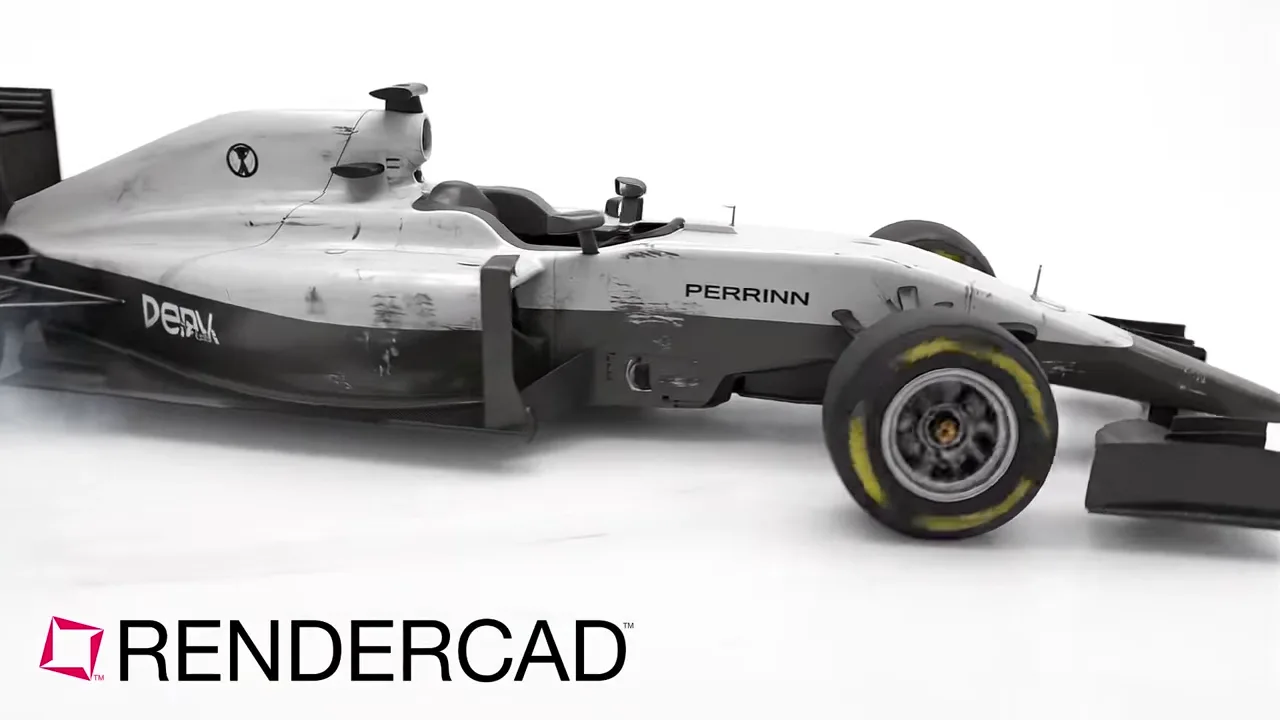
Polished manufacturing visuals from Tecnomatix workcells, lines, and simulation views.
Siemens Tecnomatix supports digital manufacturing planning through 3D process and robotics simulation, factory and logistics modeling, and production-system analysis. Process Simulate is used to model and validate manufacturing operations involving people, equipment, and automated systems, while Plant Simulation helps teams explore production and logistics behavior such as material flow, throughput, and resource use. Their detailed 3D scenes can also provide a strong starting point for clear, presentation-oriented manufacturing imagery.




Siemens Tecnomatix supports digital manufacturing planning through 3D process and robotics simulation, factory and logistics modeling, and production-system analysis. Process Simulate is used to model and validate manufacturing operations involving people, equipment, and automated systems, while Plant Simulation helps teams explore production and logistics behavior such as material flow, throughput, and resource use. Their detailed 3D scenes can also provide a strong starting point for clear, presentation-oriented manufacturing imagery.
Manufacturing engineers using Siemens Tecnomatix may need to explain a proposed robotic workcell, a multi-station line, or a factory logistics concept to colleagues outside the simulation team. A Process Simulate view can show the spatial relationship between robots, end-of-arm tools, fixtures, safety equipment, parts, conveyors, and operators. A Plant Simulation view can communicate the equipment arrangement and material-flow context of a line, warehouse, or plant layout. These views are often technically rich but visually busy for a proposal, leadership review, training presentation, or launch communication.
RENDERCAD can turn a deliberately framed Tecnomatix viewport into a polished concept visual while retaining the story established in the engineering scene. It is most useful for communicating layout intent, automation context, and the intended operating environment - not for proving a motion path or a production metric. Use the enhanced image alongside the relevant engineering evidence when presenting a concept. Tecnomatix remains the source of truth for model data, collision and clearance checks, robot reach, cycle-time work, control logic, and simulation-based decisions.
Start in Process Simulate or Plant Simulation with a view that has one clear communication goal: show a robotic station, an automation zone, a line segment, or the context for material movement. Choose a camera that keeps the primary equipment legible and includes enough surrounding floor, guarding, conveyors, racks, or product to establish scale. Hide selection outlines, measurement aids, motion traces, and analysis overlays unless they are essential to the message.
Capture the clean viewport, then use RENDERCAD to explore presentation-oriented lighting, material treatment, background detail, and a credible industrial setting. Keep distinctive cell geometry, safety boundaries, and product relationships consistent with the approved Tecnomatix view. The resulting visual can support a concept review, internal communication, customer-facing proposal, or training deck. Return to Tecnomatix for any engineering change: validate the actual layout, kinematics, collisions, process sequence, throughput, and control behavior there rather than inferring them from a rendered image.
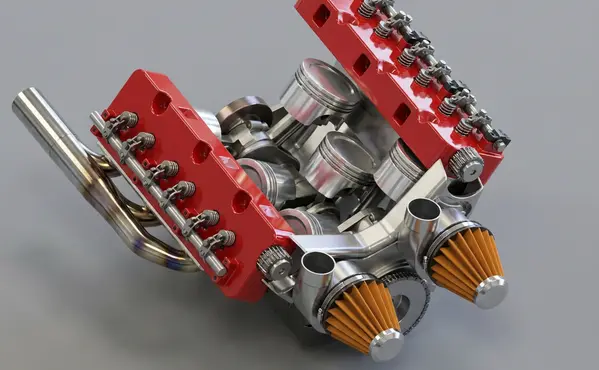
Modeled by CADSharp in Onshape. Rendered with RENDERCAD.
Add | Change | or Remove referenced objects with the stroke of a brush.
RENDERCAD uses a maintained selection of image-generation models for different rendering tasks. Results can vary by model and input, so compare generated output with the source design before relying on geometry, materials, or dimensions.
| Feature | RENDERCAD | Competitor |
|---|---|---|
| Engine | Generative AI | Varies by tool |
| Output | Images + Video | Varies by tool |
| Resolution | HD / 4K | Varies by workflow |
| Image Speed | Image renders complete in 60 seconds. | Varies by scene/tool |
| Video Speed | Videos complete in 2-5 minutes. | Varies by workflow |
| Scene Set Up | No separate local scene | Varies by workflow |
| Input | Screen Snip | Varies by tool |
| Hardware | Cloud GPU | Often local GPU/CPU |
| Install | None | Varies (web or app) |
| Cost | from $9/mo | Varies widely |
Read the numbers. We trust you to know theirs.
Skip a separate local scene build. Pick a condition, material, and background while RENDERCAD handles the image-generation step. Image renders complete in 60 seconds.
 ™
RENDERCAD™
™
RENDERCAD™
Use the browser workflow directly, capture a selected view with the desktop app, or start from the browser extension.
Get StartedCommon solutions for Siemens Tecnomatix users
Photograph or scan an authorized material swatch and upload it as a reference. Verify the generated texture's scale, direction, and color against the physical sample.
Masking lets you target a region of a CAD screenshot, real photo, or hand drawing with a reference image or instruction. Generation can still affect other regions, so inspect the full result.
Yes. Use authorized previous renders as style references, then review the new output because visual consistency can vary.
Upload a clear image, describe denim, cotton, velvet, or another fabric, and add a material reference when available. Check the generated weave scale and direction against the intended product.
Upload a CAD screenshot, real photo, or hand drawing and describe warm golden-hour light and the intended direction. Review the generated color and shadows because the interpretation can vary.
Videos complete in 2-5 minutes.
Yes. RENDERCAD's Render Studio works on Safari or Chrome on Mac, allowing you to turn CAD screenshots, real photos, and hand drawings into pro renders easily.
Generating images or videos consumes credits. Your balance refreshes monthly based on your subscription plan.
Describe cinematic depth of field and the intended focus area. Check that important product details remain sharp after generation.
RENDERCAD can place a clear viewport capture into a described lifestyle environment, such as a kitchen or office, and produce options for review.
The screenshot workflow uses image inputs, presets, and plain-language direction. Teams should still review generated output with the appropriate designer or product owner.
Use a condition preset or regional instruction to explore dust, scratches, or age. Generated wear patterns do not predict real product use.