AI presentation visuals from ReCap Pro scans, meshes, and RealViews.
Autodesk ReCap Pro is reality-capture software for turning laser scans and photographs into point clouds, meshes, RealViews, and existing-condition project data for architecture, engineering, and construction work.


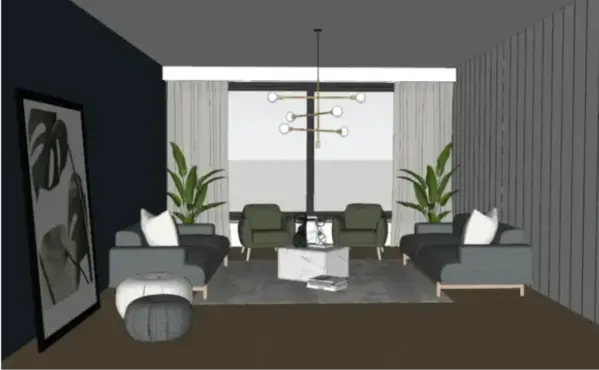
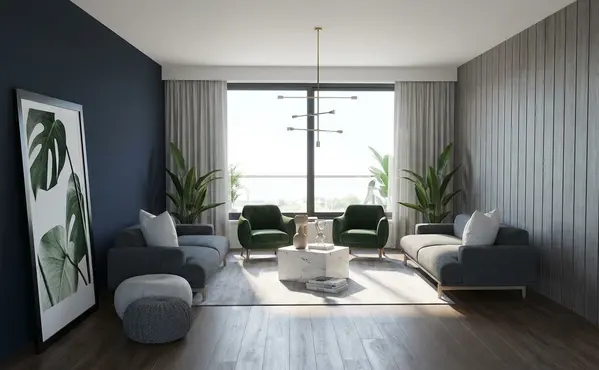


Autodesk ReCap Pro is reality-capture software for turning laser scans and photographs into point clouds, meshes, RealViews, and existing-condition project data for architecture, engineering, and construction work.
ReCap Pro helps teams understand an existing building, site, or asset from laser scans and photographs. Its point clouds, segmented meshes, and RealViews provide a detailed reference for capturing conditions before renovation, adaptive reuse, coordination, or scan-to-BIM work. A useful RENDERCAD input is not the whole dataset, but a deliberately framed ReCap Pro screen capture or exported image that shows one decision area: an entry sequence, facade, plant room, street edge, interior bay, or landscape condition. A clipped point cloud or mesh view can communicate shape and context, while a RealView can retain the photographic character of the location. RENDERCAD can use that chosen view to explore clearer presentation stills for a client workshop, feasibility narrative, design option, site update, or project briefing. It is a visual communication step, not a replacement for captured geometry. Keep ReCap Pro as the source of truth for registration, coordinates, measurement, markup, scan cleanup, and any as-built or survey decision.
First complete the reality-capture work in ReCap Pro: register and organize the scans, clean obvious noise, establish the required orientation, and make measurements or markups needed by the project team. Choose a single view state that answers the presentation question. For spatial context, use a clipped point cloud or mesh view with a readable camera angle; for material and site character, use a RealView. Hide interface clutter and keep callouts only when they help the intended audience understand the condition. Export or capture a clean still and upload it to RENDERCAD to test presentation treatments for an existing-condition board, renovation concept, stakeholder update, or early design narrative. Use the resulting visual to discuss mood, emphasis, and communication direction, then return to the ReCap Pro project and the wider design or BIM workflow to validate dimensions, geometry, coordinate alignment, and deliverable accuracy.
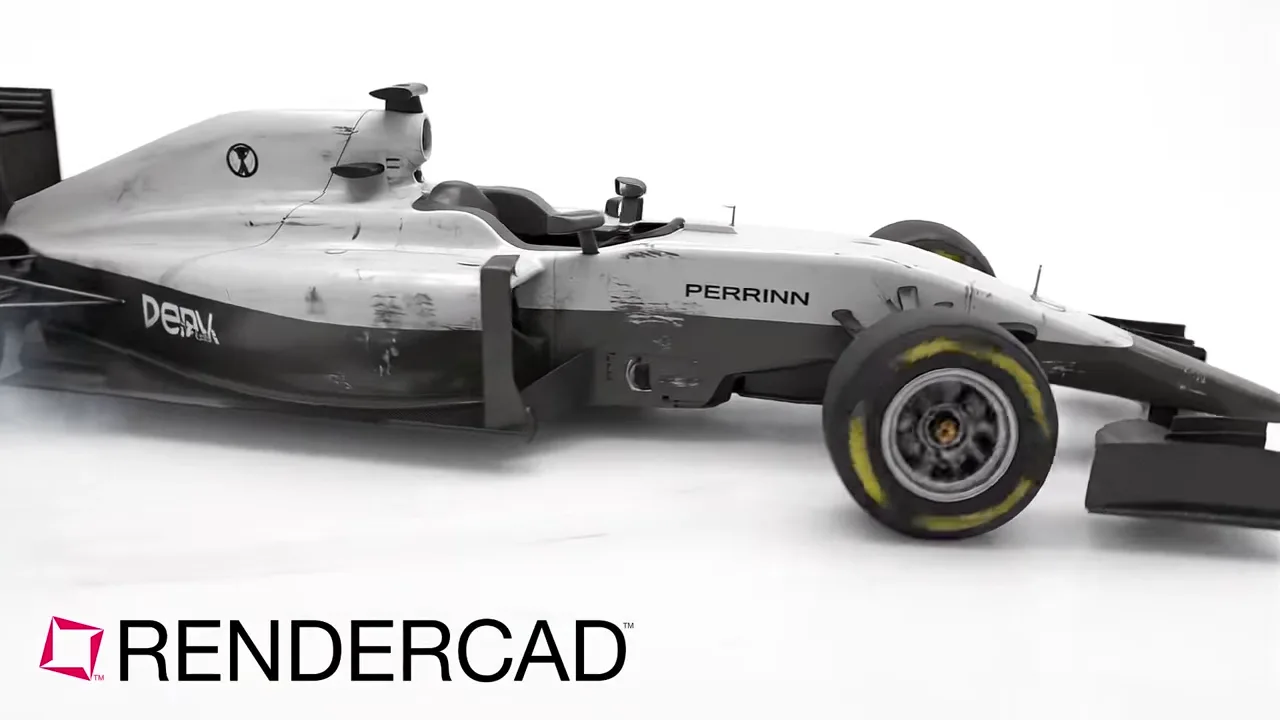
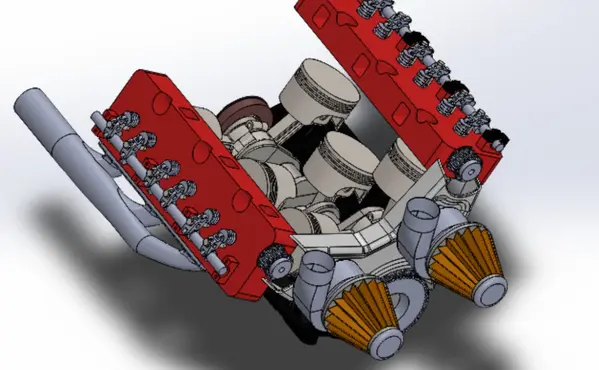
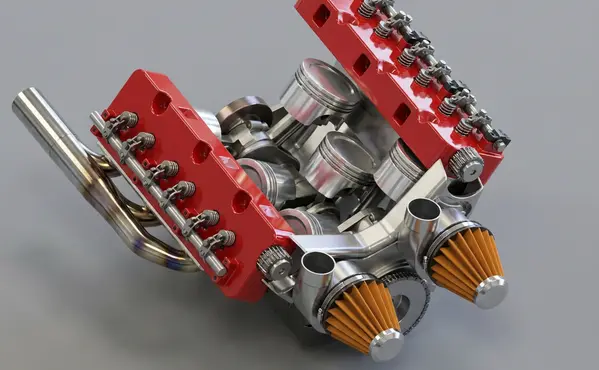
Modeled by CADSharp in Onshape. Rendered with RENDERCAD.
Add | Change | or Remove referenced objects with the stroke of a brush.
RENDERCAD uses a maintained selection of image-generation models for different rendering tasks. Results can vary by model and input, so compare generated output with the source design before relying on geometry, materials, or dimensions.
| Feature | RENDERCAD | Competitor |
|---|---|---|
| Engine | Generative AI | Varies by tool |
| Output | Images + Video | Varies by tool |
| Resolution | HD / 4K | Varies by workflow |
| Image Speed | Image renders complete in 60 seconds. | Varies by scene/tool |
| Video Speed | Videos complete in 2-5 minutes. | Varies by workflow |
| Scene Set Up | No separate local scene | Varies by workflow |
| Input | Screen Snip | Varies by tool |
| Hardware | Cloud GPU | Often local GPU/CPU |
| Install | None | Varies (web or app) |
| Cost | from $9/mo | Varies widely |
Read the numbers. We trust you to know theirs.
Skip a separate local scene build. Pick a condition, material, and background while RENDERCAD handles the image-generation step. Image renders complete in 60 seconds.
 ™
RENDERCAD™
™
RENDERCAD™
Use the browser workflow directly, capture a selected view with the desktop app, or start from the browser extension.
Get StartedCommon solutions for ReCap Pro users
Yes, when you are authorized to use them. A generated concept can guide the visual direction of a later render, but product fidelity and style consistency still require review.
Upload a clear image or use a current capture tool, describe carbon fiber, and add an authorized material reference when a specific visual direction matters. Image renders complete in 60 seconds.
Upload a clear image, choose the Realistic engine, and describe a large soft light source or overcast lighting. Generated shadows are visual approximations, not a physical lighting calculation.
Yes, use the "Details" field in the video tab to describe elements like "Steam rising" or "Lights flickering."
No local NVIDIA rendering GPU is required. Use a supported browser to upload an image or a current capture tool to select a screenshot; generation runs on cloud infrastructure.
The Render History page lets you browse and download retained images and videos. Storage duration depends on the account plan, so download assets you need before they expire.
Upload your image or snip your wireframe view. In RENDERCAD, prompt "Technical Illustration" or "Blueprint style."
The core workflow starts from a selected 2D view, so it does not require native CAD-file conversion or source-model upload.
Reuse a clear history image and change the color instruction or reference. Treat the results as visual options rather than color-managed proof.
Describe the finish, gloss, grain direction, and lighting, or provide an authorized material reference. Generated reflections are visual approximations rather than physically verified material behavior.
It uses generative image models with screenshot or image inputs. Models and features can change over time, so current product documentation is the source of truth.
Video jobs consume credits based on current duration and model settings. Check the pricing page for current costs rather than comparing with an assumed outsourcing price.