Create presentation images from selected Navisworks Simulate review frames.
Begin with one clear PNG or JPEG from Navisworks Simulate. Page media shows general RENDERCAD architecture examples and an Onshape motion example, not Navisworks footage, project data, or output.


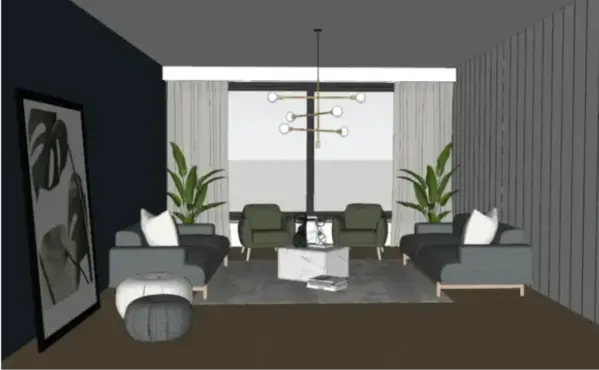



Autodesk Navisworks Simulate supports aggregated-model review, TimeLiner construction sequencing, and quantification. Coordinators can inspect planned states from saved viewpoints, connect tasks with model items, and prepare images or animations that explain phasing. Clash detection belongs to Navisworks Manage; Simulate remains focused on review, simulation, and quantity work.
Use this workflow when a project team needs to explain one planned construction state without asking every viewer to navigate the aggregated model. A selected TimeLiner date can clarify structural progression, facade installation, fit-out, access planning, site logistics, or a handover sequence for a coordination meeting, bid narrative, or client update.
RENDERCAD can explore clearer depth, lighting, material separation, and context from that chosen frame. Keep task colors, temporary works, and completed-versus-active elements readable when they carry the message. Set the source frame beside it during review because generated geometry and phasing cues can drift. Verify dates and status in Simulate and any linked schedule source; project data remains outside the generated image.
In Navisworks Simulate, confirm the aggregated model and TimeLiner task attachments, then move to a date or interval that best frames the issue. Choose a saved viewpoint that shows active work, completed work, temporary conditions, and important interfaces. Isolate the relevant trade, level, or package, and remove panels, selections, markups, and unrelated model content.
Export the selected view as one clean PNG or JPEG at a useful size. Upload that flat image to RENDERCAD and describe a single presentation goal, such as a restrained phasing visual with clearer hierarchy. Set the generated option beside its source, then return to Simulate whenever a task, quantity, viewpoint, model item, or schedule state needs correction.
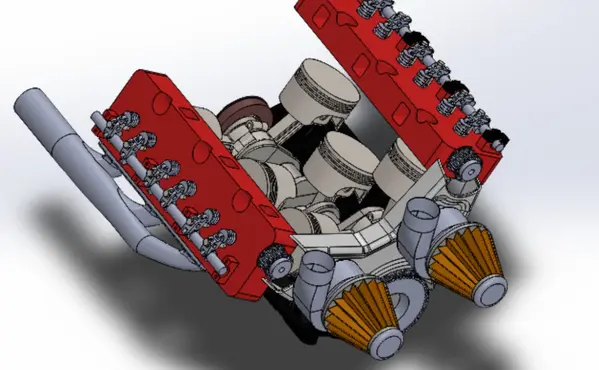
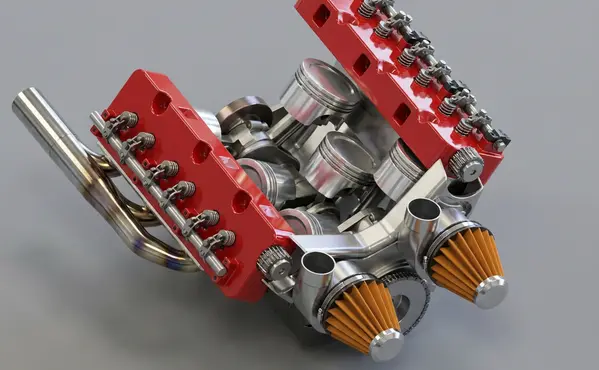
This general RENDERCAD motion example uses an Onshape model, not Navisworks Simulate. Generated motion begins from a finished presentation image.
Mark part of the presentation image and request a visual adjustment. This changes pixels, not the aggregated model, task links, quantities, saved viewpoints, or schedule.
Try another image model for clearer depth, atmosphere, or material separation. Compare every interpretation with the selected Simulate frame so construction states and important interfaces remain understandable.
| Feature | RENDERCAD | Navisworks Simulate |
|---|---|---|
| Engine | Generative image models | Aggregated-model review, TimeLiner, and quantification |
| Output | Presentation images + optional generated video | Saved viewpoints, static frames, sequence animations, and quantification results |
| Resolution | HD / 4K | Controlled by Navisworks image and animation export settings |
| Image Speed | About 60 seconds | Interactive preparation; export depends on output settings and hardware |
| Optional motion | Generated image-to-video | TimeLiner export follows sequence length and output settings |
| Scene Set Up | Flat PNG or JPEG + prompt | Aggregated models, task links, viewpoints, and appearance profiles |
| Input | One PNG or JPEG | Supported design files and aggregated Navisworks project data |
| Hardware | Cloud processing | Installed Windows model-review application |
| Install | Web app | Navisworks Simulate desktop installation |
| Cost | From $9/mo | Autodesk subscription or Flex access; free trial available |
Navisworks Simulate reviews aggregated models, TimeLiner sequences, and quantities. RENDERCAD interprets one flat exported frame as separate presentation imagery.
Select the TimeLiner date, saved viewpoint, trade visibility, and appearance profile that explain the sequence. Keep essential status cues and interfaces visible, then remove panels, selections, and unrelated content.
 ™
RENDERCAD™
™
RENDERCAD™
Upload an exported PNG or JPEG in the browser, or capture the selected on-screen region with the desktop app. RENDERCAD receives pixels rather than Navisworks project data.
Get StartedNavisworks Simulate frames, TimeLiner states, and presentation output
No. Export one flat PNG or JPEG from the selected view. NWF, NWD, NWC, linked models, task attachments, quantities, and viewpoint data remain in Navisworks.
Choose the moment that makes one decision easy to follow. Show the active package, completed work, temporary conditions, and nearby interfaces needed to understand the sequence.
Keep meaningful status colors, context, and orientation cues. Remove selections, tool panels, temporary markups, and unrelated trades unless they are essential to the phasing discussion.
No. Use Simulate to verify task links, dates, planned states, takeoff items, and quantities. The generated image only presents the visible exported frame.
Simulate covers aggregated-model review, TimeLiner, and quantification. Manage adds clash detection. Freedom is the free viewer for published NWD and DWF files rather than an authoring workflow.
Keep coordination decisions in Navisworks. Use the presentation image to explain an already-reviewed state to clients, proposal teams, or stakeholders who do not need the full model.
No. It animates a flat presentation still and contains no tasks, dates, object links, viewpoints, or schedule logic. Export the intended sequence directly from TimeLiner and verify it against the model and schedule source.
Compare it with the source Simulate frame. Check the visible construction state, interfaces, status colors, proportions, access zones, and orientation cues before using it in a meeting or bid narrative.