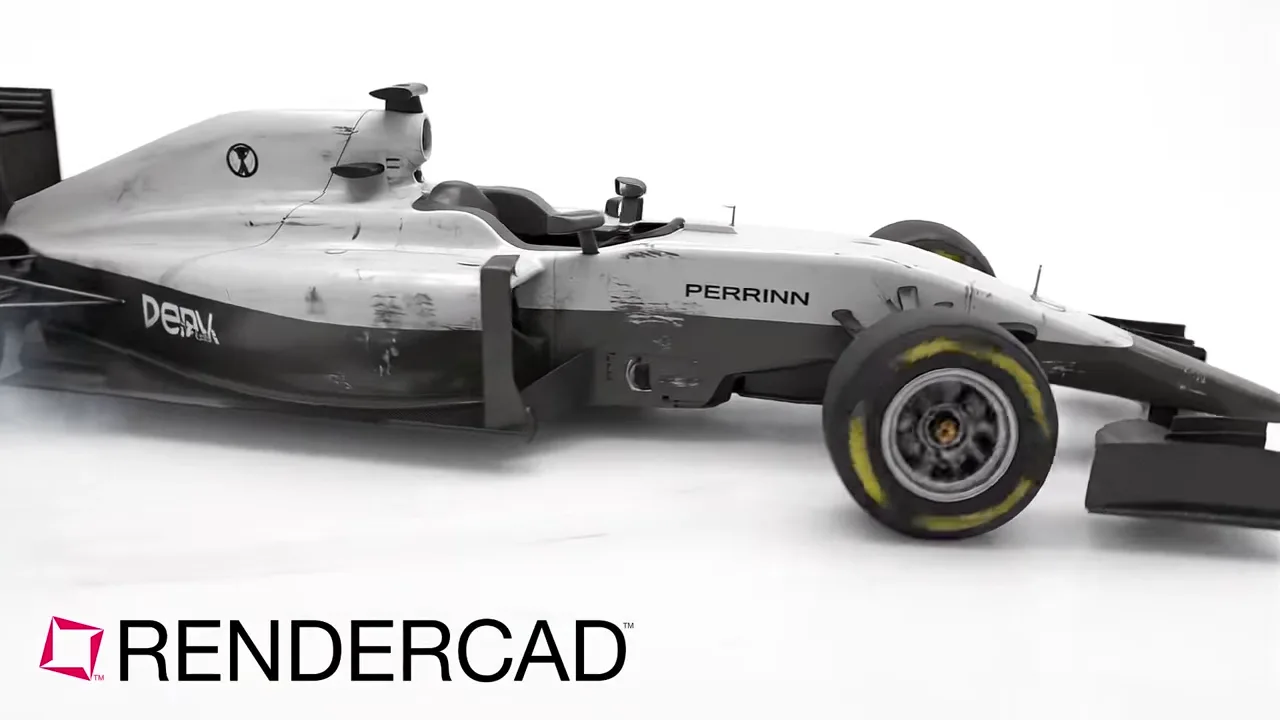
AI presentation visuals for ReCap Photo photogrammetry views.
Presentation visuals for ReCap Photo reconstructions of buildings, sites, facades, terrain, and physical objects created from overlapping photographs.


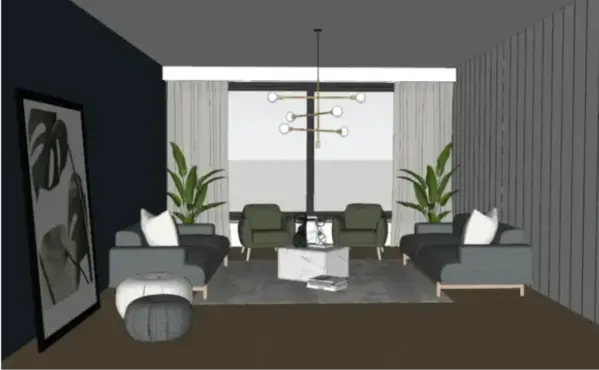
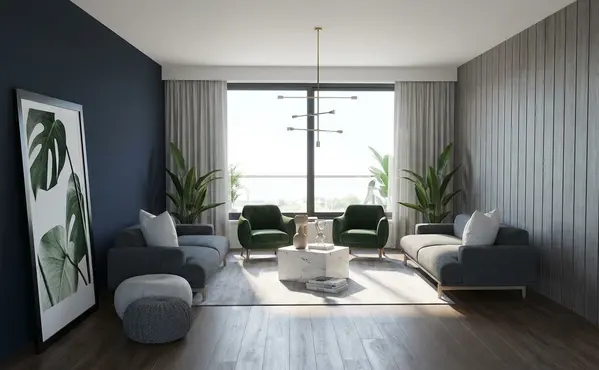


Presentation visuals for ReCap Photo reconstructions of buildings, sites, facades, terrain, and physical objects created from overlapping photographs.
ReCap Photo converts a connected set of overlapping photos into a photo-to-3D reconstruction for an aerial site or a physical object. Teams can use the result to understand existing conditions around a building, facade, roof, terrain area, asset, or heritage detail before a design, documentation, or communication task. A useful RENDERCAD input is a deliberately framed ReCap Photo mesh view that makes one subject readable: a street-facing elevation, a roof condition, an excavation edge, an object turntable angle, or a larger site context. RENDERCAD can turn that selected technical view into a clearer presentation still for a proposal, existing-condition board, design review, stakeholder update, or early visual narrative. It can help emphasize atmosphere, composition, materials, and contextual storytelling, but it does not validate the reconstruction or repair incomplete capture. Keep the ReCap Photo project and original photographs as the source of truth for photo coverage, mesh completeness, orientation, coordinates, measurements, and any survey or construction decision.
Begin with a complete ReCap Photo reconstruction and review it for the presentation subject before creating an image. For aerial work, choose a camera angle that clearly shows the site relationship, facade, roof, terrain, or access condition; for object work, use a view that shows the identifying shape and surface character. Check the original mesh and photos for gaps, weak coverage, or reflective and poorly resolved areas before relying on the view. Hide interface clutter and nonessential technical overlays, while retaining only the context that will help the audience understand the capture. Export or capture a clean still, then upload it to RENDERCAD to explore visual directions for an existing-condition report, proposal board, feasibility story, design review, or stakeholder presentation. Use the resulting image to communicate a chosen perspective and visual emphasis. Return to ReCap Photo whenever the team needs to inspect coverage, confirm geometry, review coordinates, make measurements, or judge whether the captured condition supports a factual conclusion.
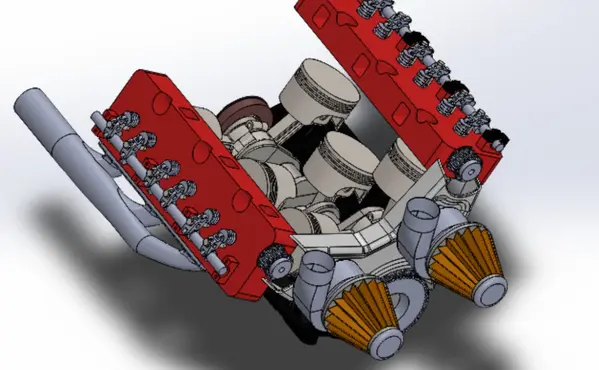
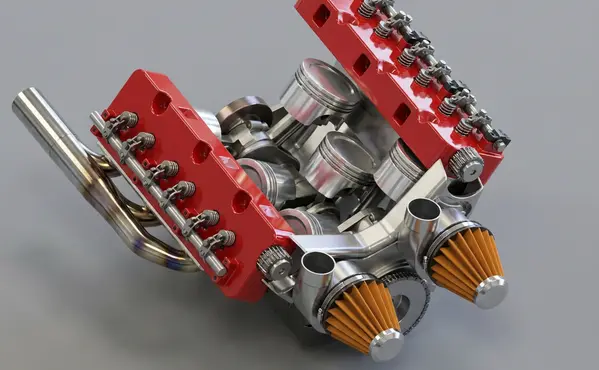
Modeled by CADSharp in Onshape. Rendered with RENDERCAD.
Add | Change | or Remove referenced objects with the stroke of a brush.
RENDERCAD uses a maintained selection of image-generation models for different rendering tasks. Results can vary by model and input, so compare generated output with the source design before relying on geometry, materials, or dimensions.
| Feature | RENDERCAD | Competitor |
|---|---|---|
| Engine | Generative AI | Varies by tool |
| Output | Images + Video | Varies by tool |
| Resolution | HD / 4K | Varies by workflow |
| Image Speed | Image renders complete in 60 seconds. | Varies by scene/tool |
| Video Speed | Videos complete in 2-5 minutes. | Varies by workflow |
| Scene Set Up | No separate local scene | Varies by workflow |
| Input | Screen Snip | Varies by tool |
| Hardware | Cloud GPU | Often local GPU/CPU |
| Install | None | Varies (web or app) |
| Cost | from $9/mo | Varies widely |
Read the numbers. We trust you to know theirs.
Skip a separate local scene build. Pick a condition, material, and background while RENDERCAD handles the image-generation step. Image renders complete in 60 seconds.
 ™
RENDERCAD™
™
RENDERCAD™
Use the browser workflow directly, capture a selected view with the desktop app, or start from the browser extension.
Get StartedCommon solutions for ReCap Photo users
It lets you describe motion, steam, lighting changes, or atmosphere for a generated clip. Added details may not exist in the source model.
Yes, if you are authorized to use them. Catalog images can guide a visual direction, but generated quality and product fidelity vary.
Mask individual components and assign color prompts or authorized references. Verify brand color in a color-managed workflow rather than relying on generated accuracy.
Reuse the same authorized lighting, material, and style references, then review every output against the brand system. References can help consistency but do not guarantee it.
Capture a clear view, select the Realistic engine, choose the Factory New condition, and describe brushed aluminum. A material reference can guide grain direction, but review the generated surface against the source design.
Choose a suitable background and describe a reflective floor. Inspect the generated reflection for alignment, product fidelity, and unintended details.
Videos complete in 2-5 minutes.
If the source viewport is visible but a local renderer fails, capture a clear screenshot and use it as a RENDERCAD input. Image renders complete in 60 seconds.
Yes. Upload a photo of a foam model and prompt "Finished plastic product" to visualize the final look.
RENDERCAD is standalone. You don't need a ReCap Photo rendering license - just the ability to view your model on screen.
Image renders complete in 60 seconds.
Generation runs on cloud infrastructure, so a local rendering GPU is not required. The device still needs sufficient resources for the source application, browser, and network connection.