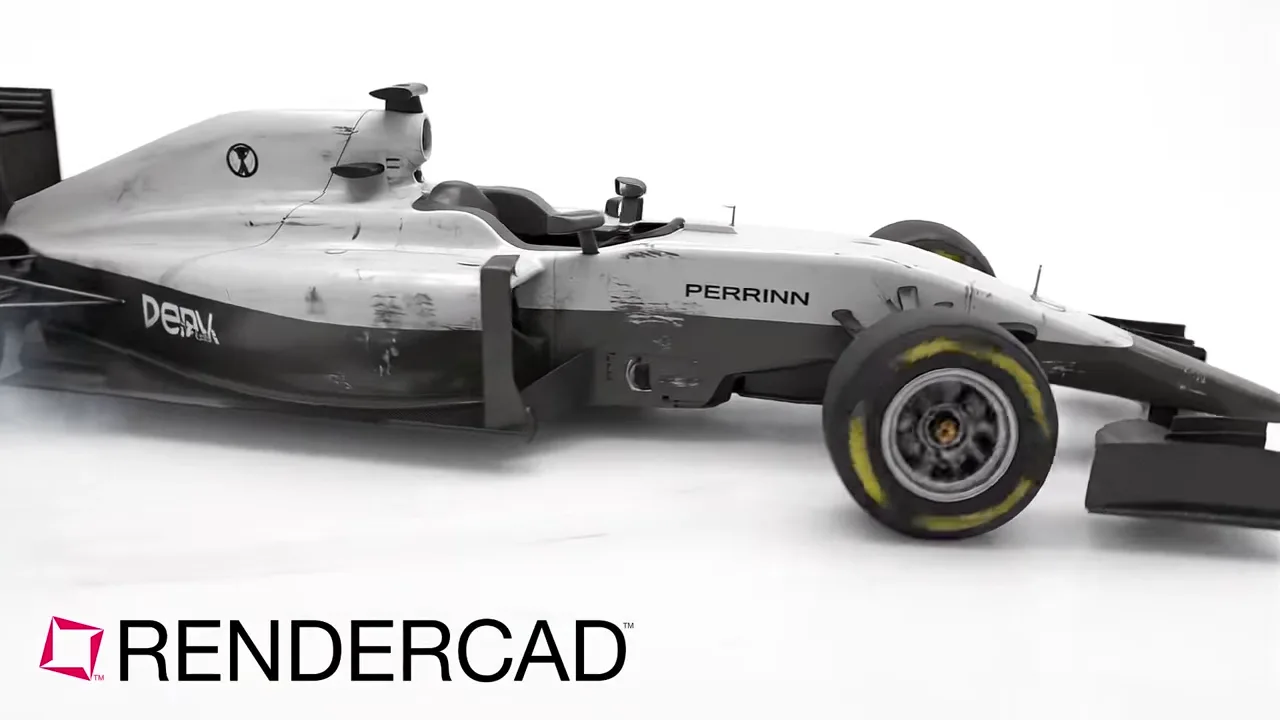
Turn approved Onshape Enterprise design views into clear product visuals.
Onshape Enterprise supports browser-based CAD and controlled product data workflows for teams developing parts, assemblies, drawings, and related design documentation. Its release management tools can govern revisioned design work, while Render Studio can build presentation scenes from versioned Part Studios and assemblies. That makes a carefully selected design view a useful starting point for visuals that explain an approved product concept without making the CAD workspace itself the final communication format.


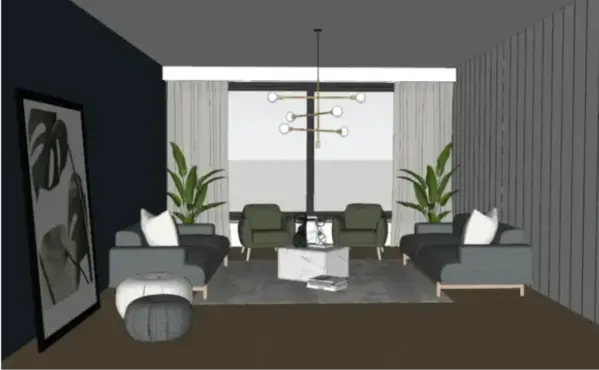

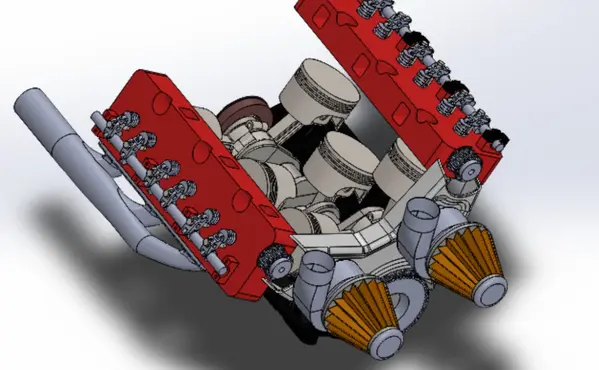
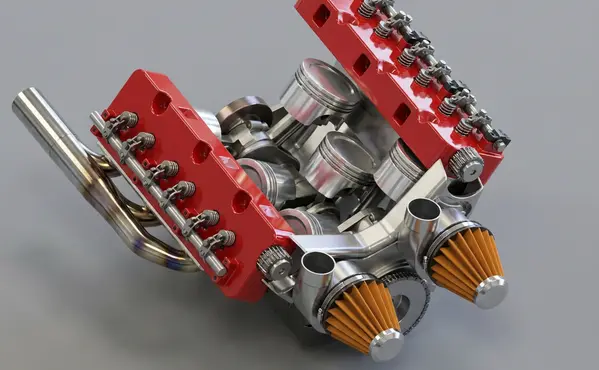


Onshape Enterprise supports browser-based CAD and controlled product data workflows for teams developing parts, assemblies, drawings, and related design documentation. Its release management tools can govern revisioned design work, while Render Studio can build presentation scenes from versioned Part Studios and assemblies. That makes a carefully selected design view a useful starting point for visuals that explain an approved product concept without making the CAD workspace itself the final communication format.
Onshape Enterprise is a defensible starting point for product teams that need to show a configured assembly, a released design state, an exploded mechanism, or a selected Render Studio scene to people outside the CAD document. Render Studio can bring versioned Part Studios and assemblies into a scene, with controls for appearance, environment, camera, and named views. RENDERCAD can use a clean capture of that agreed view to develop a more audience-specific visual: a product-page concept, review-board image, sales enablement illustration, support-guide hero, or internal launch presentation.
For example, a team can use the released or review-ready configuration as the geometry reference, retain the intended camera angle and visible components, and ask for a restrained finish, lighting treatment, background, or in-context setting. This is especially useful when the assembly needs to read clearly at a glance but the source viewport includes interface controls or does not match the style needed by the communications team. RENDERCAD should enhance how the selected design is presented, not invent undocumented mechanisms, change a configuration, or replace the revision-controlled model as the source of truth.
First, choose the correct Onshape document state: a versioned Part Studio or Assembly, the needed configuration, or a Render Studio scene that reflects the approved product. Use a named, isometric, section, or exploded view only when it makes the intended feature or assembly relationship easier to understand. Hide sketches, dimensions, mate indicators, comments, task details, and release information that should not appear in the image. Capture a clean viewport or scene render, then provide it to RENDERCAD with the required audience, material character, finish, lighting, background, and composition. Check the resulting visual against the selected Onshape configuration before publishing; return to Onshape for any change to geometry, fit, revision, or product definition. Teams automating repeatable visual work can consult RENDERCAD developer documentation.
Modeled by CADSharp in Onshape. Rendered with RENDERCAD.
Add | Change | or Remove referenced objects with the stroke of a brush.
RENDERCAD uses a maintained selection of image-generation models for different rendering tasks. Results can vary by model and input, so compare generated output with the source design before relying on geometry, materials, or dimensions.
| Feature | RENDERCAD | Competitor |
|---|---|---|
| Engine | Generative AI | Varies by tool |
| Output | Images + Video | Varies by tool |
| Resolution | HD / 4K | Varies by workflow |
| Image Speed | Image renders complete in 60 seconds. | Varies by scene/tool |
| Video Speed | Videos complete in 2-5 minutes. | Varies by workflow |
| Scene Set Up | No separate local scene | Varies by workflow |
| Input | Screen Snip | Varies by tool |
| Hardware | Cloud GPU | Often local GPU/CPU |
| Install | None | Varies (web or app) |
| Cost | from $9/mo | Varies widely |
Read the numbers. We trust you to know theirs.
Skip a separate local scene build. Pick a condition, material, and background while RENDERCAD handles the image-generation step. Image renders complete in 60 seconds.
 ™
RENDERCAD™
™
RENDERCAD™
Use the browser workflow directly, capture a selected view with the desktop app, or start from the browser extension.
Get StartedCommon solutions for Onshape Enterprise users
Capture a clear view and describe the intended glow color, brightness, and surrounding light spill. Review the generated image because bloom and illumination can vary.
Upload a clear image, choose the Realistic engine, and describe a large soft light source or overcast lighting. Generated shadows are visual approximations, not a physical lighting calculation.
RENDERCAD videos are generated at 720p.
No local NVIDIA rendering GPU is required. Use a supported browser to upload an image or a current capture tool to select a screenshot; generation runs on cloud infrastructure.
The Render History page lets you browse and download retained images and videos. Storage duration depends on the account plan, so download assets you need before they expire.
Use a high-resolution, clear input and Exact style, but expect generated text to drift. Add critical labels in a graphics editor after generation rather than relying on AI text fidelity.
The core workflow starts from a selected 2D view, so it does not require native CAD-file conversion or source-model upload.
Reuse a clear history image and change the color instruction or reference. Treat the results as visual options rather than color-managed proof.
Describe the finish, gloss, grain direction, and lighting, or provide an authorized material reference. Generated reflections are visual approximations rather than physically verified material behavior.
It uses generative image models with screenshot or image inputs. Models and features can change over time, so current product documentation is the source of truth.
Video jobs consume credits based on current duration and model settings. Check the pricing page for current costs rather than comparing with an assumed outsourcing price.
Use only images you are authorized to submit. A style reference can guide lighting, composition, or general aesthetic, but it does not guarantee that the source design remains unchanged.