Presentation-ready garment visuals from Enterprise simulation views.
Marvelous Designer Enterprise supports teams creating digital garments from editable 2D patterns, sewing relationships, assigned fabrics, trims, and avatar-based cloth simulation. It is relevant to apparel, costume, digital fashion, character art, animation, and VFX teams that need to assess a garment's silhouette and material behavior in 3D while managing access across a larger organization. Its 2D and 3D views make it practical to inspect construction decisions alongside the draped result on the intended avatar and pose.




Marvelous Designer Enterprise supports teams creating digital garments from editable 2D patterns, sewing relationships, assigned fabrics, trims, and avatar-based cloth simulation. It is relevant to apparel, costume, digital fashion, character art, animation, and VFX teams that need to assess a garment's silhouette and material behavior in 3D while managing access across a larger organization. Its 2D and 3D views make it practical to inspect construction decisions alongside the draped result on the intended avatar and pose.
Marvelous Designer Enterprise is suited to teams building garments from pattern pieces, seam relationships, fabric properties, graphics, and trims, then simulating the result on an avatar. A resolved viewport is useful when a team needs to discuss whether layers sit correctly, a collar or closure reads clearly, a print placement is visible, or the chosen fabric produces the intended folds and silhouette. Once those construction and simulation decisions are settled, RENDERCAD can turn a clear 3D garment view into a presentation-focused image for a line review, character wardrobe direction, costume concept, merchandising board, pitch deck, or internal approval discussion. Use a full-body or three-quarter view to communicate overall proportion and styling; add a close crop when stitching, trim, texture, or a graphic needs attention. RENDERCAD can help develop lighting, backdrop, composition, and visual mood from the selected reference, while Marvelous Designer remains the source of truth for pattern geometry, sewing, fit, avatar scale, and simulated cloth behavior.
Complete the pattern editing, sewing, fabric assignment, layering, and simulation in Marvelous Designer Enterprise before preparing an image. Confirm the garment on the intended avatar and pose, then capture a clean 3D viewport that preserves the design evidence needed for the conversation: the overall silhouette, drape, seamlines, closures, layered pieces, trims, and printed or textured areas. A textured front or three-quarter avatar view is a strong starting point for a lookbook-style or character presentation, while a controlled detail crop can support review of a pocket, cuff, collar, or material change. Upload the selected view to RENDERCAD and guide the presentation toward the intended audience with studio lighting, an appropriate background, and a composition that keeps the garment readable. Compare the result with the original viewport before sharing, especially where fit, fabric response, construction detail, or proportions matter. For repeatable image workflows, teams can consult RENDERCAD developer documentation.
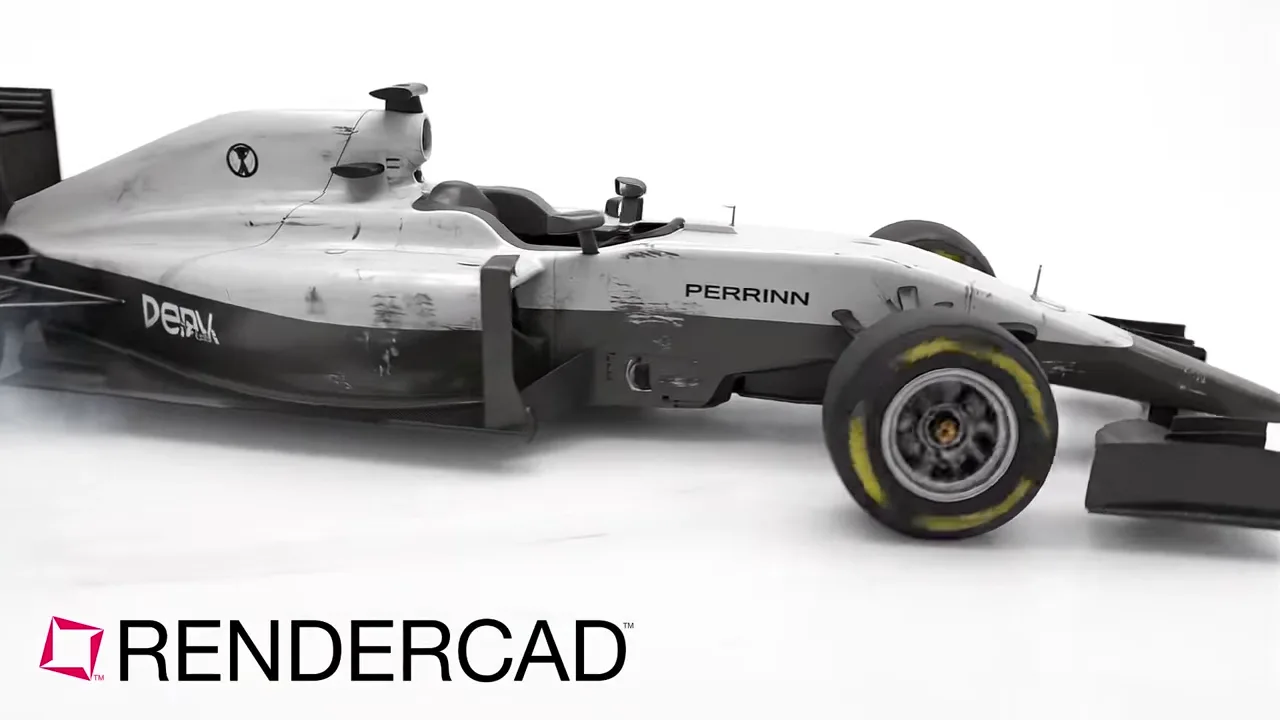
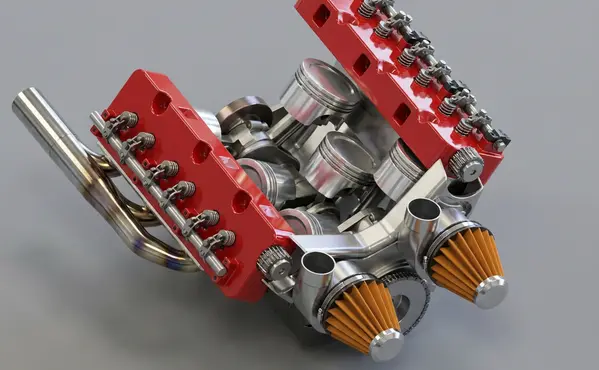
Modeled by CADSharp in Onshape. Rendered with RENDERCAD.
Add | Change | or Remove referenced objects with the stroke of a brush.
RENDERCAD uses a maintained selection of image-generation models for different rendering tasks. Results can vary by model and input, so compare generated output with the source design before relying on geometry, materials, or dimensions.
| Feature | RENDERCAD | Competitor |
|---|---|---|
| Engine | Generative AI | Varies by tool |
| Output | Images + Video | Varies by tool |
| Resolution | HD / 4K | Varies by workflow |
| Image Speed | Image renders complete in 60 seconds. | Varies by scene/tool |
| Video Speed | Videos complete in 2-5 minutes. | Varies by workflow |
| Scene Set Up | No separate local scene | Varies by workflow |
| Input | Screen Snip | Varies by tool |
| Hardware | Cloud GPU | Often local GPU/CPU |
| Install | None | Varies (web or app) |
| Cost | from $9/mo | Varies widely |
Read the numbers. We trust you to know theirs.
Skip a separate local scene build. Pick a condition, material, and background while RENDERCAD handles the image-generation step. Image renders complete in 60 seconds.
 ™
RENDERCAD™
™
RENDERCAD™
Use the browser workflow directly, capture a selected view with the desktop app, or start from the browser extension.
Get StartedCommon solutions for Marvelous Designer Enterprise users
When a client provides an image they are authorized to use, attach it with a concise instruction describing the relevant lighting, material, palette, or composition. Review the generated interpretation with the client.
Upload a clear image or use a current capture tool, describe carbon fiber, and add an authorized material reference when a specific visual direction matters. Image renders complete in 60 seconds.
Choose the Dusty condition and describe the intended atmosphere. Generated dust is illustrative, so review how it affects important product details.
Start from an image that clearly shows the existing separated components, then choose the Exploded View product motion. Review the clip against the source because generated motion can alter part boundaries or relationships.
Use the RENDERCAD Overlay to capture a clear viewport without rebuilding a separate render scene. Image renders complete in 60 seconds.
Yes. A current desktop capture app and browser extension are available, and the browser upload workflow remains available without either tool.
Upload your image or snip your wireframe view. In RENDERCAD, prompt "Technical Illustration" or "Blueprint style."
Generation runs on cloud infrastructure, so a local rendering GPU is not required. The laptop still needs a supported browser, network access, and enough resources for the source application and image upload.
The core workflow is available in a supported browser and accepts a selected 2D image, so it does not require a rendering plugin in the source application.
The model can reinterpret curves and surface transitions from the 2D input. Compare the result with the source because edges and geometry can drift.
It accepts a clear viewport screenshot, so a separate local material, light, and camera scene is not required for the image-generation workflow.
It lets you describe motion, steam, lighting changes, or atmosphere for a generated clip. Added details may not exist in the source model.