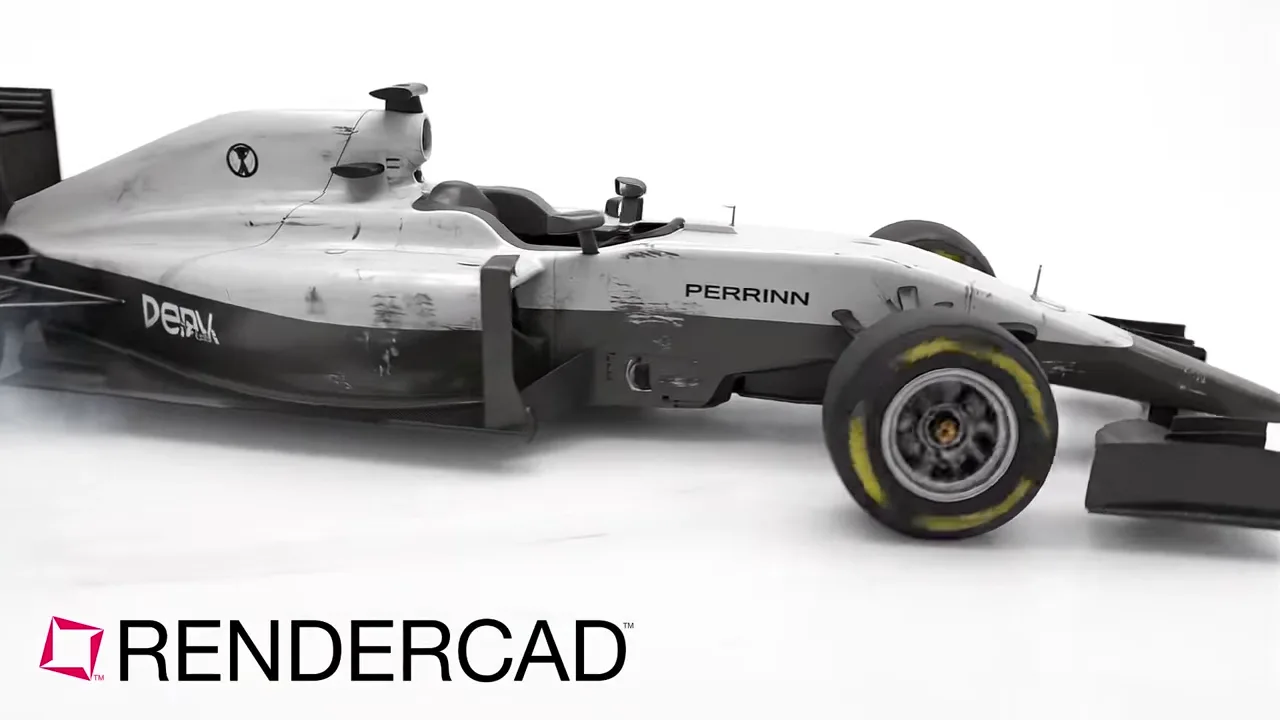
Presentation visuals for PowerShape Ultimate tooling and manufacturing models.
PowerShape Ultimate manufacturing CAD for preparing molds, dies, electrodes, and complex imported surface, solid, and mesh geometry


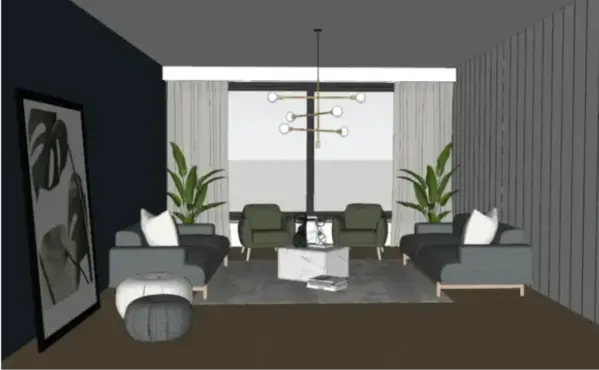

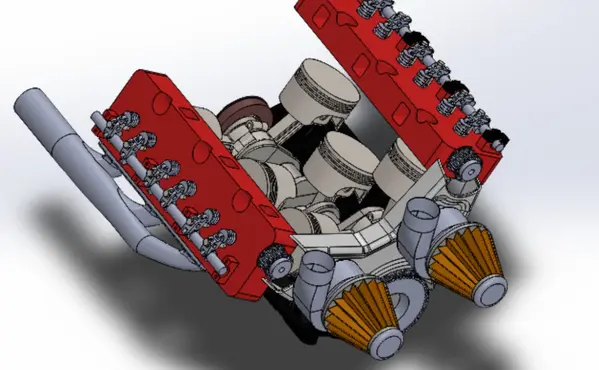
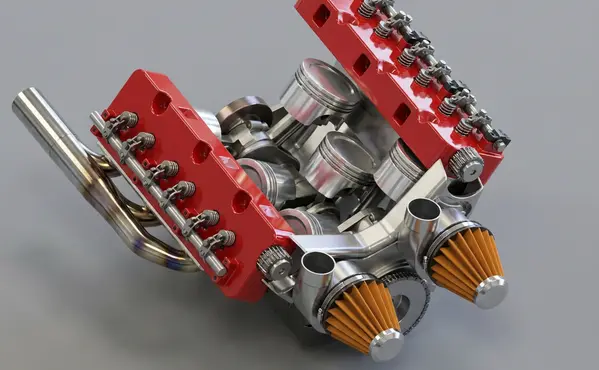


PowerShape Ultimate manufacturing CAD for preparing molds, dies, electrodes, and complex imported surface, solid, and mesh geometry
PowerShape Ultimate is used to prepare difficult geometry for manufacture: imported CAD that needs analysis or repair, mixed surface, solid, and mesh data, core and cavity halves, press-die surfaces, and EDM electrodes. These models often contain the exact form a tooling team needs to communicate, but a working viewport can be crowded with construction curves, split faces, mesh triangles, stock, or setup detail. RENDERCAD is useful after the manufacturing decision is clear. A clean capture of a finished mold insert, cavity block, electrode and holder, repaired part, or reverse-engineered component can become a focused presentation still for a tooling proposal, design review, approval discussion, or internal documentation. It can make the overall form, intended material, and visible functional features easier to understand without claiming to validate the part.
In PowerShape Ultimate, first finish the manufacturing view that matters: a separated core and cavity, a mold-base component, an electrode with its holder, a press-die surface, or a repaired scan-derived part. Hide wireframe construction, analysis coloring, mesh facets, and unrelated assembly items unless they explain the review. Use an angle that shows the shut-out, split, pocket, rib, surface transition, or other feature under discussion, then capture a clear viewport. Upload that capture to RENDERCAD and describe a plausible studio, shop-floor, or neutral presentation context to create a polished still. Use the result in review decks, tooling proposals, and explanatory documentation. Return to PowerShape for the source-of-truth geometry, dimensional checks, tolerances, electrode setup, and any CAM or manufacturing decisions.
Modeled by CADSharp in Onshape. Rendered with RENDERCAD.
Add | Change | or Remove referenced objects with the stroke of a brush.
RENDERCAD uses a maintained selection of image-generation models for different rendering tasks. Results can vary by model and input, so compare generated output with the source design before relying on geometry, materials, or dimensions.
| Feature | RENDERCAD | Competitor |
|---|---|---|
| Engine | Generative AI | Varies by tool |
| Output | Images + Video | Varies by tool |
| Resolution | HD / 4K | Varies by workflow |
| Image Speed | Image renders complete in 60 seconds. | Varies by scene/tool |
| Video Speed | Videos complete in 2-5 minutes. | Varies by workflow |
| Scene Set Up | No separate local scene | Varies by workflow |
| Input | Screen Snip | Varies by tool |
| Hardware | Cloud GPU | Often local GPU/CPU |
| Install | None | Varies (web or app) |
| Cost | from $9/mo | Varies widely |
Read the numbers. We trust you to know theirs.
Skip a separate local scene build. Pick a condition, material, and background while RENDERCAD handles the image-generation step. Image renders complete in 60 seconds.
 ™
RENDERCAD™
™
RENDERCAD™
Use the browser workflow directly, capture a selected view with the desktop app, or start from the browser extension.
Get StartedCommon solutions for PowerShape Ultimate users
Yes. RENDERCAD's Render Studio works on Safari or Chrome on Mac, allowing you to turn CAD screenshots, real photos, and hand drawings into pro renders easily.
Generating images or videos consumes credits. Your balance refreshes monthly based on your subscription plan.
RENDERCAD is standalone. You don't need a PowerShape Ultimate rendering license - just the ability to view your model on screen.
RENDERCAD can place a clear viewport capture into a described lifestyle environment, such as a kitchen or office, and produce options for review.
The screenshot workflow uses image inputs, presets, and plain-language direction. Teams should still review generated output with the appropriate designer or product owner.
Use a condition preset or regional instruction to explore dust, scratches, or age. Generated wear patterns do not predict real product use.
A supported browser can submit a clear 2D input without a local rendering GPU.
The current desktop app or browser extension can capture a selected view and send the screenshot into RENDERCAD without a CAD rendering plugin.
Yes, if you are authorized to use its contents. A mood board can guide palette, lighting, and atmosphere; generated interpretation varies.
Yes. Mask the region that needs adjustment and provide a focused instruction. RENDERCAD generates a new image, so inspect both the targeted region and the rest of the output for drift.
Yes, when you are authorized to use them. A generated concept can guide the visual direction of a later render, but product fidelity and style consistency still require review.
Describe the velvet color, pile direction, and lighting, or add an authorized material reference. Review the generated texture because fiber scale and light response can vary.