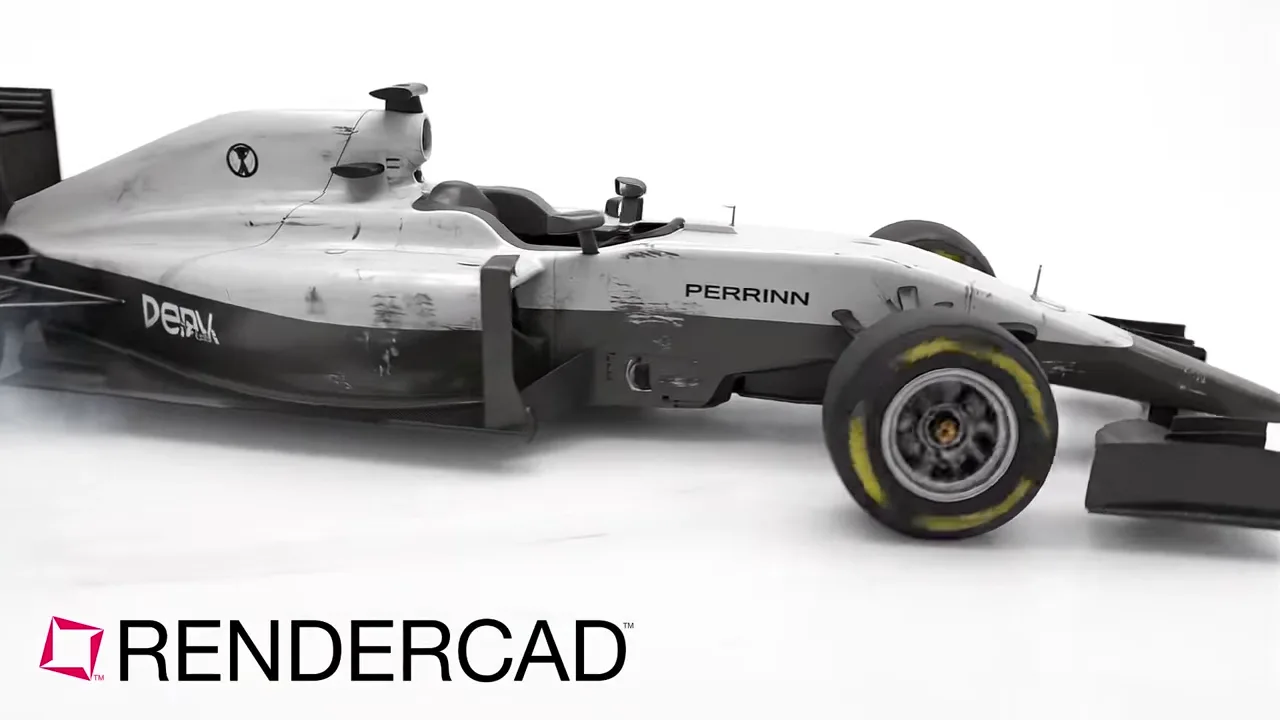
Make student CAD work easier to present in critiques, portfolios, and design projects.
Onshape Education is cloud-native CAD for teaching engineering design through student documents, collaborative projects, and organized class assignments. Learners can develop parts and assemblies in the browser while educators distribute work and review submissions in the same environment. When the model needs to communicate beyond the CAD document, RENDERCAD can help turn a purposeful Onshape viewport into a clearer visual for critique, presentation, or portfolio use.


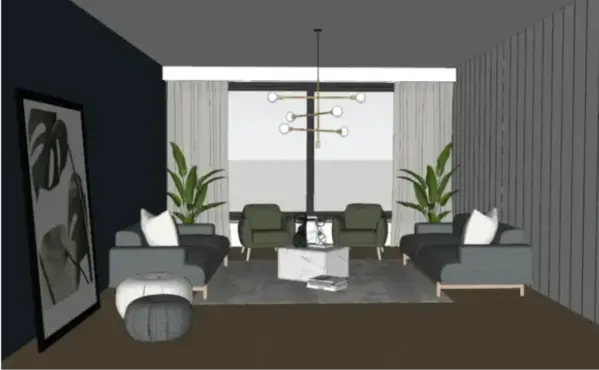
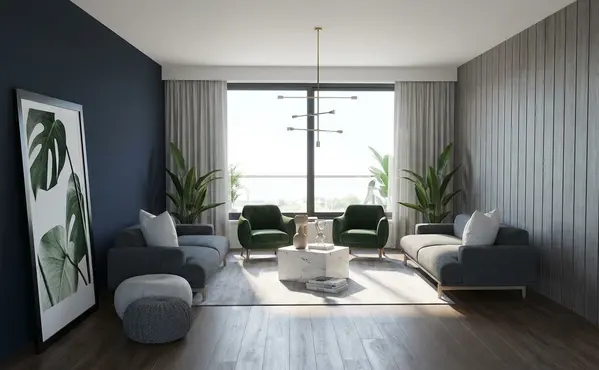


Onshape Education is cloud-native CAD for teaching engineering design through student documents, collaborative projects, and organized class assignments. Learners can develop parts and assemblies in the browser while educators distribute work and review submissions in the same environment. When the model needs to communicate beyond the CAD document, RENDERCAD can help turn a purposeful Onshape viewport into a clearer visual for critique, presentation, or portfolio use.
Onshape Education is a strong fit for student design work that must be understood quickly by classmates, instructors, competition judges, or portfolio reviewers. An assignment may begin with a linked starter document and end with each student submitting their own Onshape document, which can contain a Part Studio, Assembly, drawing, or other design work. RENDERCAD is useful after the student has established the intended geometry and selected a view that explains the design, such as a clean assembly perspective, a close material detail, an exploded arrangement, or a configuration comparison. It can give the work more legible lighting, material character, background, and presentation context for a critique slide, engineering notebook, design board, lab report, or personal portfolio. The enhanced image should support the student explanation, not substitute for the Onshape model, drawing, dimensions, feature history, or submitted document used for assessment.
First, complete the design in the student Onshape document and decide what the image needs to prove: overall form, assembly relationship, motion concept, packaging, or a specific feature. Open a clean named view of the Part Studio, Assembly, configuration, or exploded state, and hide sketches, dimensions, mate connectors, comments, and other working details that do not belong in the presentation. Capture the viewport at a useful scale, then upload it to RENDERCAD with a concise brief covering the intended material, finish, lighting, background, and audience. Keep the result consistent with the submitted model and label it as a presentation visual when appropriate. For repeatable classroom or team workflows, consult RENDERCAD developer documentation before implementation.
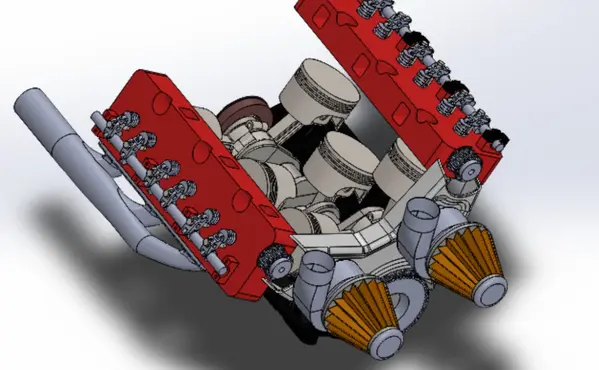
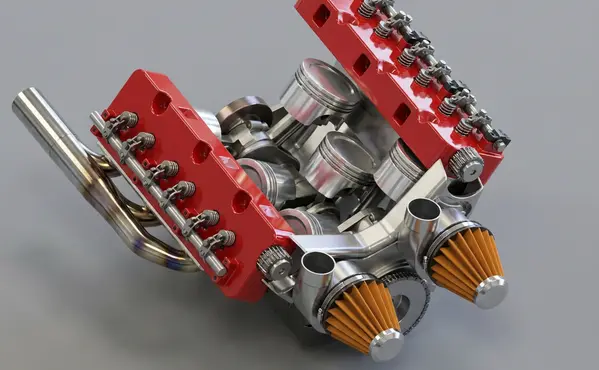
Modeled by CADSharp in Onshape. Rendered with RENDERCAD.
Add | Change | or Remove referenced objects with the stroke of a brush.
RENDERCAD uses a maintained selection of image-generation models for different rendering tasks. Results can vary by model and input, so compare generated output with the source design before relying on geometry, materials, or dimensions.
| Feature | RENDERCAD | Competitor |
|---|---|---|
| Engine | Generative AI | Varies by tool |
| Output | Images + Video | Varies by tool |
| Resolution | HD / 4K | Varies by workflow |
| Image Speed | Image renders complete in 60 seconds. | Varies by scene/tool |
| Video Speed | Videos complete in 2-5 minutes. | Varies by workflow |
| Scene Set Up | No separate local scene | Varies by workflow |
| Input | Screen Snip | Varies by tool |
| Hardware | Cloud GPU | Often local GPU/CPU |
| Install | None | Varies (web or app) |
| Cost | from $9/mo | Varies widely |
Read the numbers. We trust you to know theirs.
Skip a separate local scene build. Pick a condition, material, and background while RENDERCAD handles the image-generation step. Image renders complete in 60 seconds.
 ™
RENDERCAD™
™
RENDERCAD™
Use the browser workflow directly, capture a selected view with the desktop app, or start from the browser extension.
Get StartedCommon solutions for Onshape Education users
Yes. Mask the product and direct the background with an authorized environment reference. Review the full result because product details can still drift.
Describe the intended anodized color and matte or satin finish, then review the generated metal appearance against an authorized material reference when color and finish matter.
Choose the Dusty condition and describe the intended atmosphere. Generated dust is illustrative, so review how it affects important product details.
Yes. Choose the Dolly In or Dolly Out camera preset in the Video panel, then review the clip for product and geometry fidelity.
Use the RENDERCAD Overlay to capture a clear viewport without rebuilding a separate render scene. Image renders complete in 60 seconds.
Yes. A current desktop capture app and browser extension are available, and the browser upload workflow remains available without either tool.
Use Freeform style and prompt "Pencil Sketch" or "Blueprint" to turn your image into an illustration.
Generation runs on cloud infrastructure, so a local rendering GPU is not required. The laptop still needs a supported browser, network access, and enough resources for the source application and image upload.
The core workflow is available in a supported browser and accepts a selected 2D image, so it does not require a rendering plugin in the source application.
The model can reinterpret curves and surface transitions from the 2D input. Compare the result with the source because edges and geometry can drift.
It accepts a clear viewport screenshot, so a separate local material, light, and camera scene is not required for the image-generation workflow.
It lets you describe motion, steam, lighting changes, or atmosphere for a generated clip. Added details may not exist in the source model.