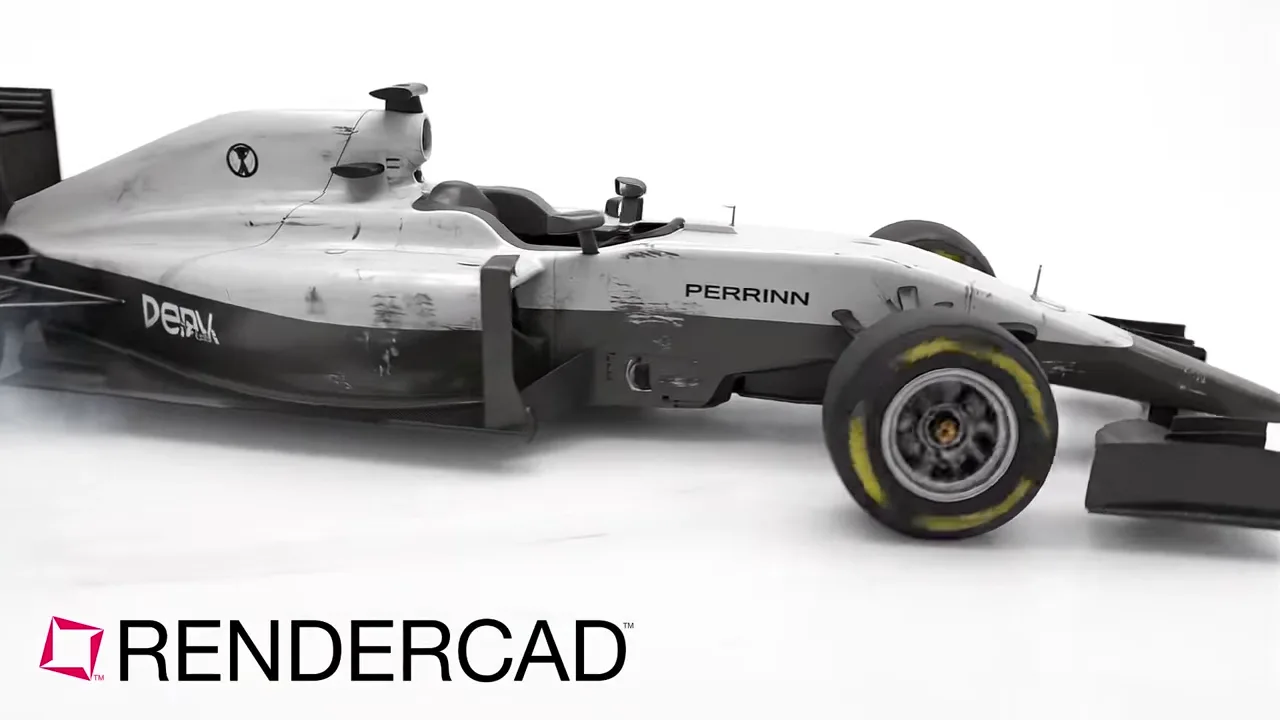
Turn clear Product Design Suite views into useful product-render concepts.
Autodesk Product Design Suite combined mechanical design, visualization, simulation, and data-management tools for digital prototyping. Archived suite projects may include Inventor parts and assemblies, AutoCAD Mechanical drawings, and visualization work prepared in 3ds Max or Showcase, depending on the edition and workflow. A clear model or presentation view can remain useful long after the original project was completed when a team needs a current product visual.


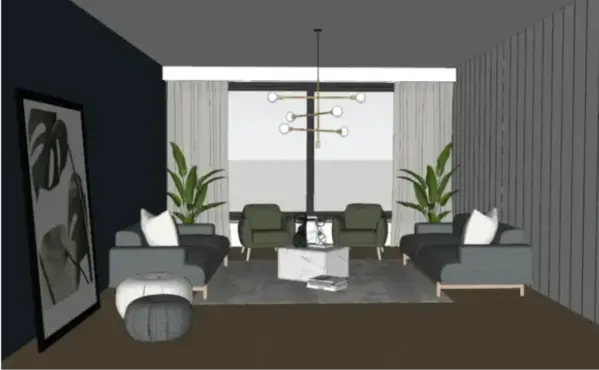

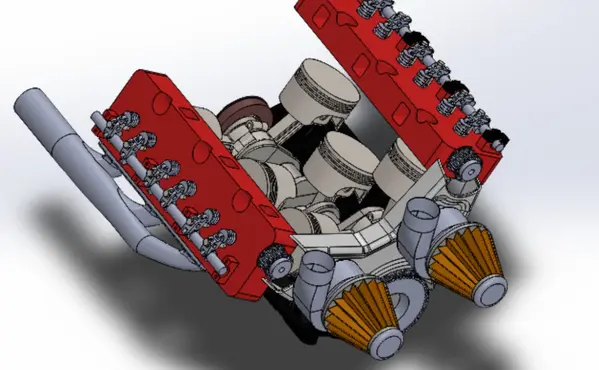
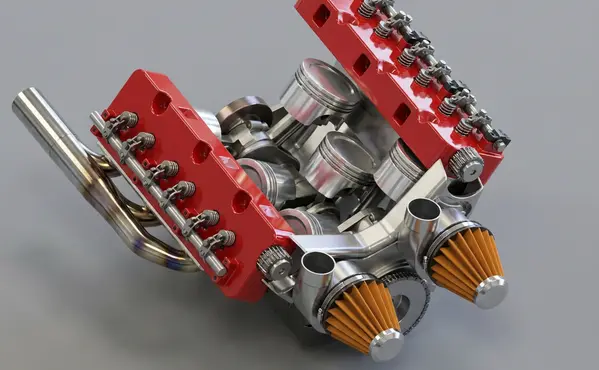


Autodesk Product Design Suite combined mechanical design, visualization, simulation, and data-management tools for digital prototyping. Archived suite projects may include Inventor parts and assemblies, AutoCAD Mechanical drawings, and visualization work prepared in 3ds Max or Showcase, depending on the edition and workflow. A clear model or presentation view can remain useful long after the original project was completed when a team needs a current product visual.
Product Design Suite users often worked from an Inventor assembly or AutoCAD design into 3ds Max or Showcase for a more detailed presentation, with lights, materials, design alternatives, or motion used to help a product read clearly. RENDERCAD is a practical option when an archived model view already establishes the correct product configuration, silhouette, key components, and camera angle but a fresh visual direction is needed. A clean Inventor viewport, an existing 3ds Max still, or a Showcase presentation frame can become the reference for equipment, machine guards, fixtures, fabricated assemblies, consumer-product housings, and service-part communication. Use the resulting visual concepts in design reviews, proposal decks, product sheets, manuals, or early campaign planning. Keep the suite source files as the authority for geometry, assembly state, dimensions, approved finishes, and technical documentation.
Start with the Inventor assembly, 3ds Max scene, or Showcase frame that best communicates the intended configuration. For a mechanism or serviceable assembly, choose an open, exploded, or posed view only if it makes the relationship between parts easier to understand. Set a deliberate camera, crop to the product, apply simple readable appearances, and hide browser panels, selection highlights, dimensions, construction geometry, and irrelevant reference objects. Capture the clean shaded view or export the prepared still, then use RENDERCAD to explore a studio treatment, material and finish direction, lighting mood, or a restrained in-context setting. Compare the result with the source view for visible interfaces, fasteners, seams, and proportions. Return to Inventor, AutoCAD, 3ds Max, or the approved project record for design changes and technical signoff; a RENDERCAD image is not evidence of engineering accuracy or an updated CAD configuration.
Modeled by CADSharp in Onshape. Rendered with RENDERCAD.
Add | Change | or Remove referenced objects with the stroke of a brush.
RENDERCAD uses a maintained selection of image-generation models for different rendering tasks. Results can vary by model and input, so compare generated output with the source design before relying on geometry, materials, or dimensions.
| Feature | RENDERCAD | Competitor |
|---|---|---|
| Engine | Generative AI | Varies by tool |
| Output | Images + Video | Varies by tool |
| Resolution | HD / 4K | Varies by workflow |
| Image Speed | Image renders complete in 60 seconds. | Varies by scene/tool |
| Video Speed | Videos complete in 2-5 minutes. | Varies by workflow |
| Scene Set Up | No separate local scene | Varies by workflow |
| Input | Screen Snip | Varies by tool |
| Hardware | Cloud GPU | Often local GPU/CPU |
| Install | None | Varies (web or app) |
| Cost | from $9/mo | Varies widely |
Read the numbers. We trust you to know theirs.
Skip a separate local scene build. Pick a condition, material, and background while RENDERCAD handles the image-generation step. Image renders complete in 60 seconds.
 ™
RENDERCAD™
™
RENDERCAD™
Use the browser workflow directly, capture a selected view with the desktop app, or start from the browser extension.
Get StartedCommon solutions for Product Design Suite users
It accepts a clear viewport screenshot, so a separate local material, light, and camera scene is not required for the image-generation workflow.
It lets you describe motion, steam, lighting changes, or atmosphere for a generated clip. Added details may not exist in the source model.
With the Realistic engine selected, use Add Instruction to attach an authorized material image and describe how it should guide the render. The reference guides the generated image; it does not modify the native Product Design Suite model or guarantee a material match.
Yes. Use a mask to target the background separately from the foreground product. Review both regions because generation can still alter unmasked content.
Yes, if the license permits this use. A stock image can guide a background or environment, while placement and lighting remain generated interpretations.
Use a clear capture, choose the Factory New condition, and describe the intended plastic type, color, and finish. Review the generated surface because gloss, texture, and molded details can vary.
Choose a suitable background and describe a reflective floor. Inspect the generated reflection for alignment, product fidelity, and unintended details.
RENDERCAD videos are generated at 720p.
If the source viewport is visible but a local renderer fails, capture a clear screenshot and use it as a RENDERCAD input. Image renders complete in 60 seconds.
Yes. Upload a photo of a foam model and prompt "Finished plastic product" to visualize the final look.
Log into RENDERCAD Studio in a supported browser, upload a clear CAD screenshot or another supported 2D input, and generate an image for review.
Image renders complete in 60 seconds.