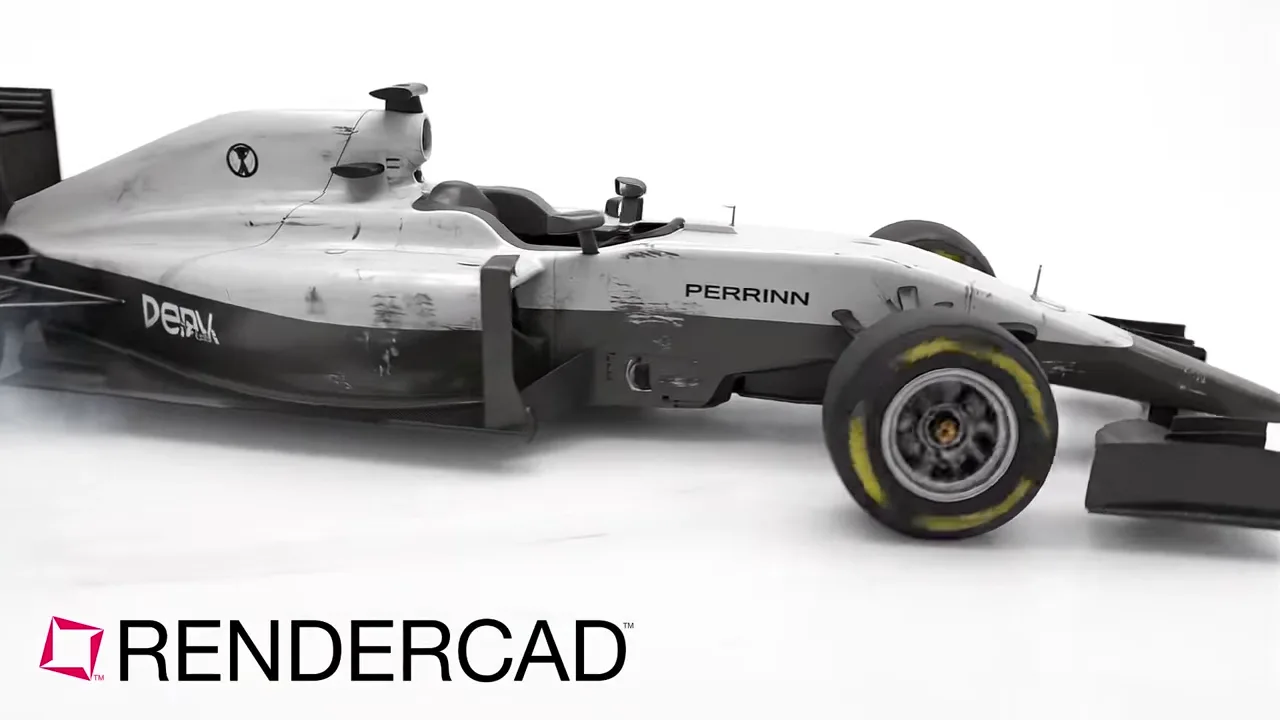
Turn GstarCAD Mechanical views into clear product and assembly visuals.
Mechanical CAD software for standards-based manufacturing drawings, parts documentation, and design detailing. Its mechanical toolset supports dimensioning and symbols alongside associative balloons, parts lists, BOM data, hole charts, detail views, and reusable parts or symbol libraries.


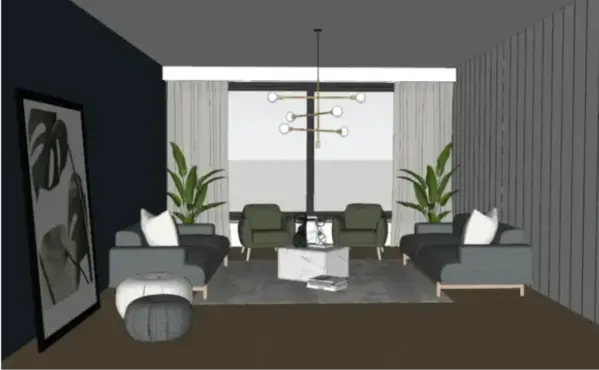



Mechanical CAD software for standards-based manufacturing drawings, parts documentation, and design detailing. Its mechanical toolset supports dimensioning and symbols alongside associative balloons, parts lists, BOM data, hole charts, detail views, and reusable parts or symbol libraries.
GstarCAD Mechanical is designed for the documentation work around manufactured components and assemblies: standardized dimensions and symbols, balloons and parts lists, BOM information, hole charts, section context, and enlarged detail views. That makes it a useful starting point when an engineering drawing needs a companion visual for a quotation, review, supplier conversation, product sheet, instruction, or sales presentation. Select the view that best explains the assembly, fabricated frame, machined component, fixture, or installed mechanism. A clean isometric or perspective model view is usually the strongest input when available; a tightly cropped drawing view can also work when the important form and hierarchy are easy to read. Use RENDERCAD to explore a more polished presentation of the visible geometry, with material, lighting, depth, setting, and camera treatment appropriate to the audience. It is best used to make the concept easier to understand, not to replace the production drawing.
In GstarCAD Mechanical, make a presentation copy of the drawing or view. Hide construction geometry, duplicate dimensions, and annotations that distract from the component, but retain a section, detail view, balloon, or part reference only when it helps the viewer understand the assembly. Frame one clear subject rather than a full crowded sheet. Capture the viewport at a useful scale, then upload it to RENDERCAD and describe the intended product materials, finish, environment, and viewing angle. Compare variants for proposals, manuals, review decks, supplier communication, or product marketing, then choose the image that still preserves the visible design intent. Check every visual against the DWG before publishing. GstarCAD Mechanical remains the source of truth for dimensions, tolerances, hole information, quantities, BOM data, and manufacturing decisions; RENDERCAD output should not be used to verify those details. For API implementation, use RENDERCAD developer documentation.
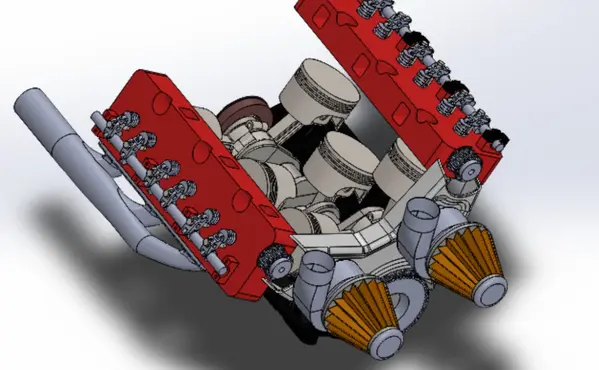
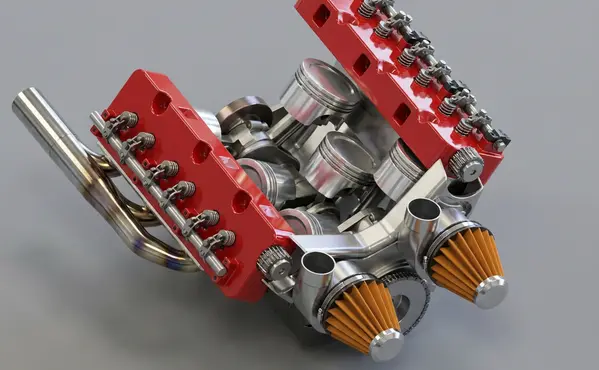
Modeled by CADSharp in Onshape. Rendered with RENDERCAD.
Add | Change | or Remove referenced objects with the stroke of a brush.
RENDERCAD uses a maintained selection of image-generation models for different rendering tasks. Results can vary by model and input, so compare generated output with the source design before relying on geometry, materials, or dimensions.
| Feature | RENDERCAD | Competitor |
|---|---|---|
| Engine | Generative AI | Varies by tool |
| Output | Images + Video | Varies by tool |
| Resolution | HD / 4K | Varies by workflow |
| Image Speed | Image renders complete in 60 seconds. | Varies by scene/tool |
| Video Speed | Videos complete in 2-5 minutes. | Varies by workflow |
| Scene Set Up | No separate local scene | Varies by workflow |
| Input | Screen Snip | Varies by tool |
| Hardware | Cloud GPU | Often local GPU/CPU |
| Install | None | Varies (web or app) |
| Cost | from $9/mo | Varies widely |
Read the numbers. We trust you to know theirs.
Skip a separate local scene build. Pick a condition, material, and background while RENDERCAD handles the image-generation step. Image renders complete in 60 seconds.
 ™
RENDERCAD™
™
RENDERCAD™
Use the browser workflow directly, capture a selected view with the desktop app, or start from the browser extension.
Get StartedCommon solutions for GstarCAD Mechanical users
It lets you describe motion, steam, lighting changes, or atmosphere for a generated clip. Added details may not exist in the source model.
Yes, if you are authorized to use them. Catalog images can guide a visual direction, but generated quality and product fidelity vary.
Use overlapping masked regions with separate references or instructions, then inspect the transition and iterate where a boundary is visible.
Reuse the same authorized lighting, material, and style references, then review every output against the brand system. References can help consistency but do not guarantee it.
Describe the velvet color, pile direction, and lighting, or add an authorized material reference. Review the generated texture because fiber scale and light response can vary.
Choose a suitable background and describe a reflective floor. Inspect the generated reflection for alignment, product fidelity, and unintended details.
Yes. Choose the Dolly In or Dolly Out camera preset in the Video panel, then review the clip for product and geometry fidelity.
If the source viewport is visible but a local renderer fails, capture a clear screenshot and use it as a RENDERCAD input. Image renders complete in 60 seconds.
Yes. Upload a photo of a foam model and prompt "Finished plastic product" to visualize the final look.
RENDERCAD is standalone. You don't need a GstarCAD Mechanical rendering license - just the ability to view your model on screen.
Image renders complete in 60 seconds.
Generation runs on cloud infrastructure, so a local rendering GPU is not required. The device still needs sufficient resources for the source application, browser, and network connection.