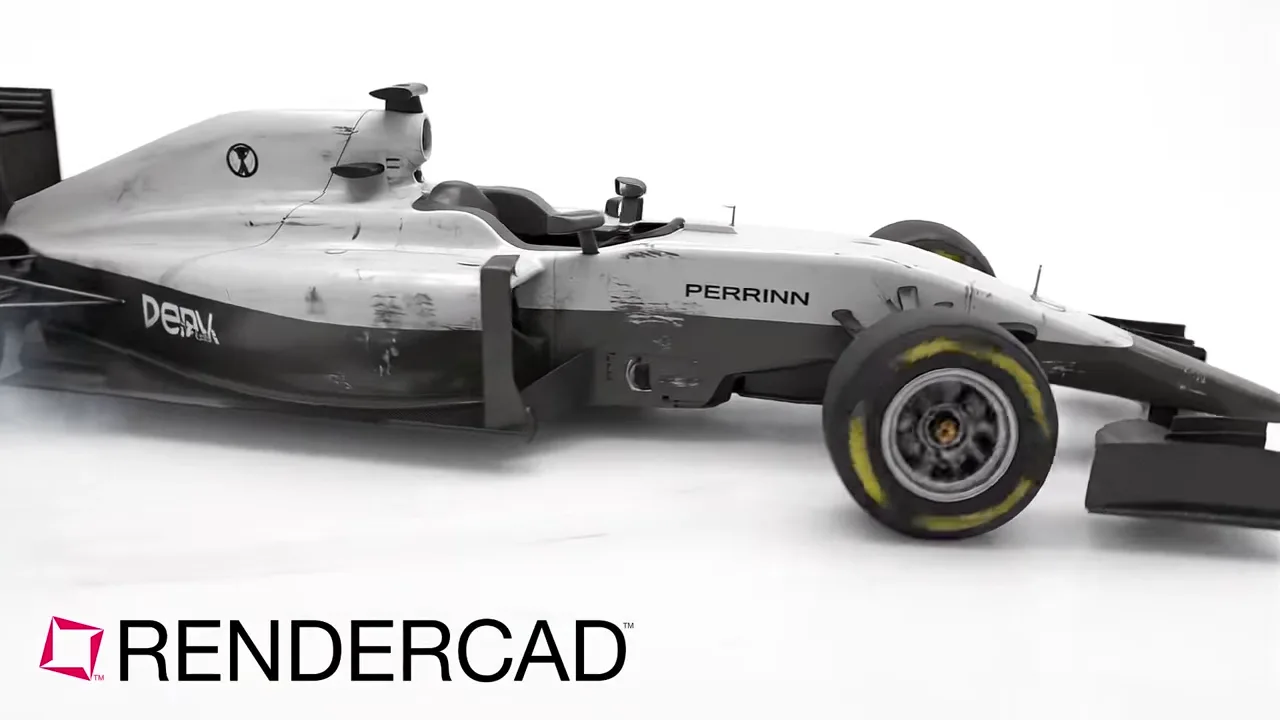
Turn MediBang Paint panels and background studies into render-style visual references.
Digital painting and comic creation software for layered illustration, manga page layouts, panel creation, screentones, brushes, and collaborative art projects. Its canvas is well suited to planning a comic background, prop, storefront, room, or color-key scene before the final illustrative finish is applied.


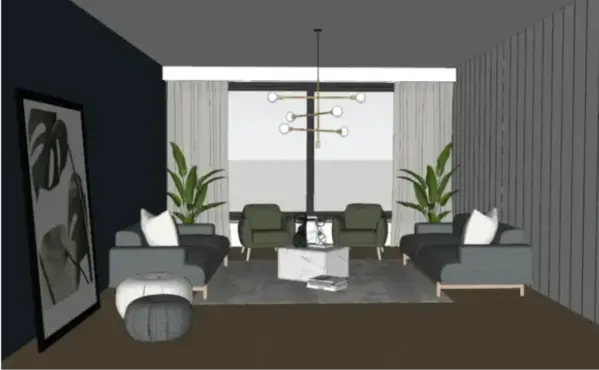
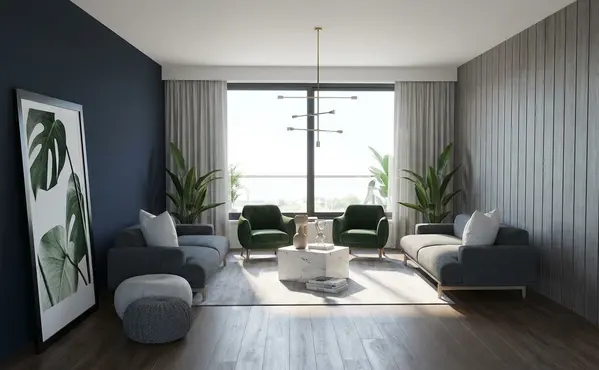


Digital painting and comic creation software for layered illustration, manga page layouts, panel creation, screentones, brushes, and collaborative art projects. Its canvas is well suited to planning a comic background, prop, storefront, room, or color-key scene before the final illustrative finish is applied.
MediBang Paint is a layered illustration and comic-production tool with panel creation, page management, screentones, drawing tools, and perspective-oriented snap guides; it is not a physically based rendering engine. RENDERCAD is most useful when a selected canvas or panel already communicates a clear subject and viewpoint, such as a manga street scene, furnished room, product prop, vehicle, storefront, or environmental establishing shot. A clean line-and-flat-color study can be used to explore more specific material character, directional light, contact shadows, depth, and atmosphere while retaining the composition as a visual brief. This is especially useful for deciding the look of a background or presentation image before committing time to detailed painting. Return the preferred result to MediBang Paint as a reference layer, then preserve the authored ink, panel borders, dialogue, screentones, and stylized color treatment in the final paintover. Generated imagery should guide visual development, not replace the editable comic source file or the illustrator's final continuity decisions.
In MediBang Paint, choose one resolved panel, background, or concept canvas rather than an entire multi-page comic. Keep the working MDP file and separate ink, text, screentone, and reference layers intact. Hide dialogue, guides, page marks, and unfinished exploratory layers so the flattened PNG or JPEG presents only the intended scene, silhouette, and framing. Upload that export to RENDERCAD and describe the fixed subject, materials, time of day, light direction, setting, and camera feeling, including any essential contours or negative space to retain. Compare a small set of visual directions for background research or an art-direction review. Bring a chosen result back into MediBang Paint as a low-opacity reference layer for a paintover, a background study, a cover concept, or a presentation frame. Rebuild story-critical details, text, and consistent character styling in MediBang Paint. For repeat image workflows, implementation guidance is available at RENDERCAD developer documentation.
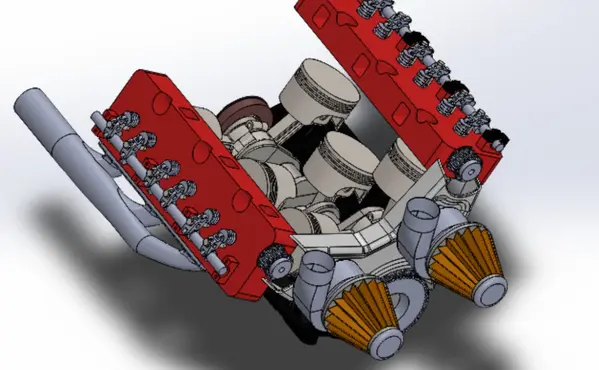
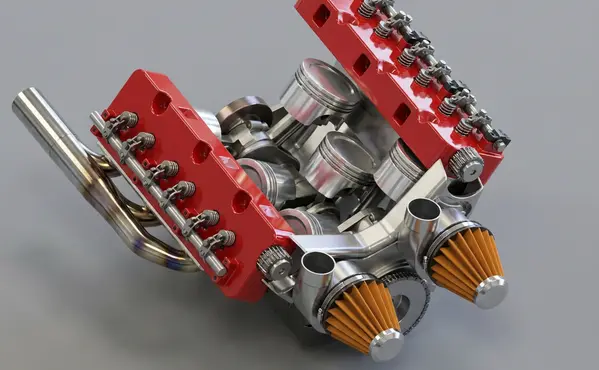
Modeled by CADSharp in Onshape. Rendered with RENDERCAD.
Add | Change | or Remove referenced objects with the stroke of a brush.
RENDERCAD uses a maintained selection of image-generation models for different rendering tasks. Results can vary by model and input, so compare generated output with the source design before relying on geometry, materials, or dimensions.
| Feature | RENDERCAD | Competitor |
|---|---|---|
| Engine | Generative AI | Varies by tool |
| Output | Images + Video | Varies by tool |
| Resolution | HD / 4K | Varies by workflow |
| Image Speed | Image renders complete in 60 seconds. | Varies by scene/tool |
| Video Speed | Videos complete in 2-5 minutes. | Varies by workflow |
| Scene Set Up | No separate local scene | Varies by workflow |
| Input | Screen Snip | Varies by tool |
| Hardware | Cloud GPU | Often local GPU/CPU |
| Install | None | Varies (web or app) |
| Cost | from $9/mo | Varies widely |
Read the numbers. We trust you to know theirs.
Skip a separate local scene build. Pick a condition, material, and background while RENDERCAD handles the image-generation step. Image renders complete in 60 seconds.
 ™
RENDERCAD™
™
RENDERCAD™
Use the browser workflow directly, capture a selected view with the desktop app, or start from the browser extension.
Get StartedCommon solutions for MediBang Paint users
The core workflow starts from a selected 2D view, so it does not require native CAD-file conversion or source-model upload.
Reuse a clear history image and change the color instruction or reference. Treat the results as visual options rather than color-managed proof.
Describe the finish, gloss, grain direction, and lighting, or provide an authorized material reference. Generated reflections are visual approximations rather than physically verified material behavior.
It uses generative image models with screenshot or image inputs. Models and features can change over time, so current product documentation is the source of truth.
Video jobs consume credits based on current duration and model settings. Check the pricing page for current costs rather than comparing with an assumed outsourcing price.
Completed renders retain their associated references in Render History. Use the re-render workflow to load a previous setup, then review the references and instructions before generating again.
Masking lets you target a region of a CAD screenshot, real photo, or hand drawing with a reference image or instruction. Generation can still affect other regions, so inspect the full result.
You can layer a material reference, a lighting reference, and a background reference together. Each guides a different aspect of the final render.
Describe chrome or a silver mirror finish and choose an environment that provides useful reflections. Inspect the output for artifacts and unintended reflected details.
Add phrases like "Light from left," "Backlit," or "Top down lighting" to your custom prompt in RENDERCAD.
Yes. Choose the Dolly In or Dolly Out camera preset in the Video panel, then review the clip for product and geometry fidelity.
Submit a clear viewport screenshot to the web workflow instead of running a local scene render. The generation request runs in the cloud while your source application remains separate.