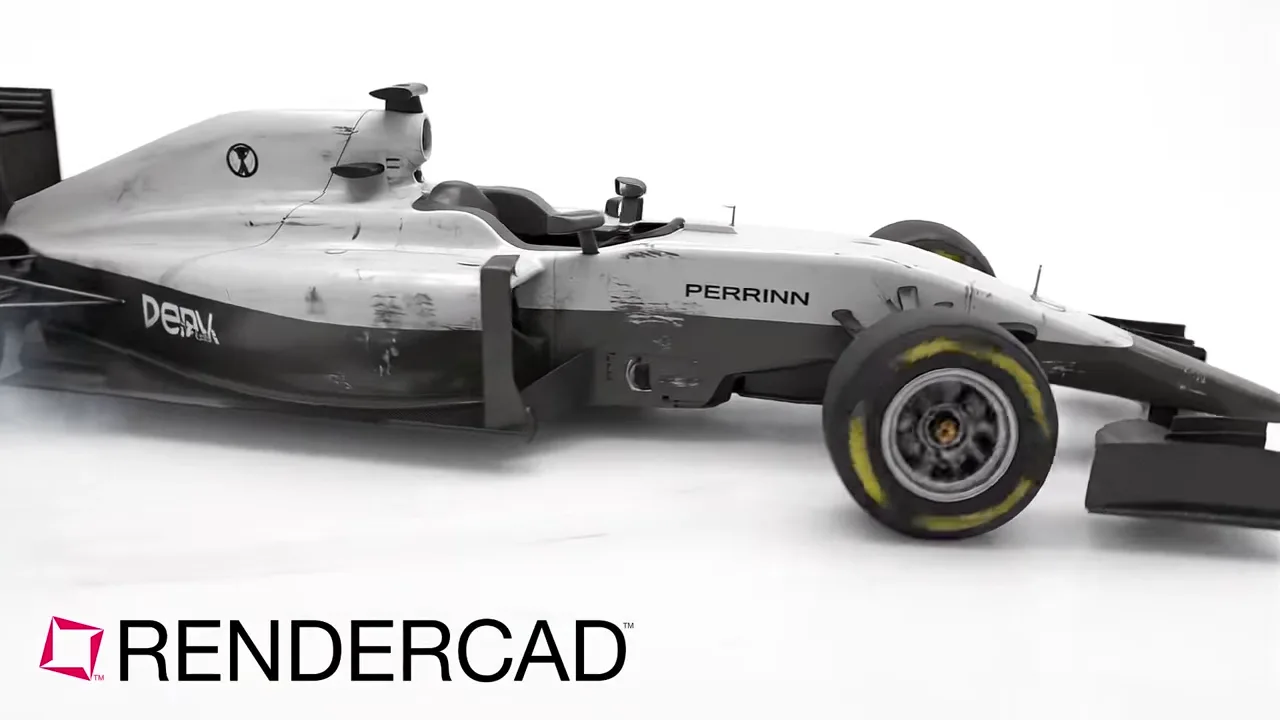
Turn Lumion Photo views into polished architectural still-image directions.
Lumion is architectural visualization software for bringing CAD and BIM models into an assembled scene, then creating presentation images, movies, and panoramas. Its Photo, Movie, and Panorama modes help architecture and design teams frame a proposal with materials, landscape context, lighting, and camera composition before sharing it for review.


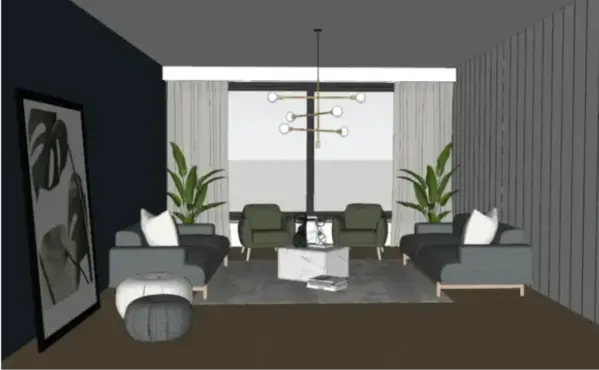
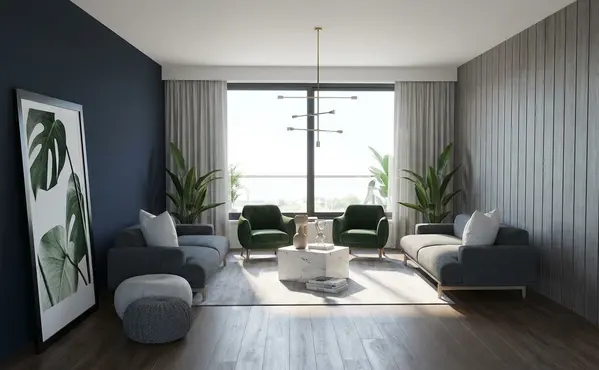


Lumion is architectural visualization software for bringing CAD and BIM models into an assembled scene, then creating presentation images, movies, and panoramas. Its Photo, Movie, and Panorama modes help architecture and design teams frame a proposal with materials, landscape context, lighting, and camera composition before sharing it for review.
Lumion is often the presentation layer for a CAD or BIM model: teams import a model or update it through a synchronized workflow, place context and objects, tune materials, and compose camera views for architecture, landscape, and interior reviews. A saved Lumion Photo view is a useful RENDERCAD input when it already communicates the intended design: the facade proportions, room layout, planting, horizon, and direction of light should be visible and easy to read. Use that image to explore still-image alternatives for a competition board, client proposal, material direction, courtyard, lobby, streetscape, or early massing study. For example, retain a daytime Lumion composition while testing a restrained editorial treatment, a warmer evening atmosphere, or a more resolved material character. RENDERCAD can help generate visual directions around the view, but it should not be treated as the source of truth for dimensions, specified products, construction details, or the underlying BIM and CAD model. Confirm those decisions in the design authoring tools and in Lumion.
In Lumion, start in Photo Mode with a view that makes the design readable. Keep the building or interior in frame, retain the site context that matters, and set the materials, landscape, lighting, and camera height that should guide the result. Check the composition in Lumion before capture, because a still with clear edges, openings, foreground depth, and material contrast gives RENDERCAD better visual evidence to work from. Capture a clean image without interface clutter and upload it to RENDERCAD. Describe one specific presentation direction, such as a warmer dusk mood, quieter palette, refined planting, or editorial architectural character, then compare the generated stills with the original Lumion view. Return to Lumion and the authoring model when the scene, geometry, camera, or approved material specification needs to change. For repeated capture-to-render workflows, see RENDERCAD developer documentation.
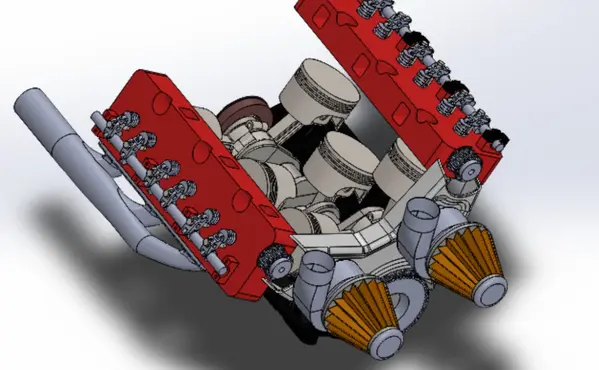
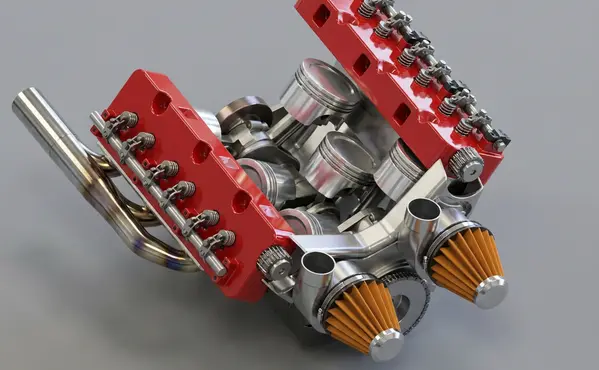
Modeled by CADSharp in Onshape. Rendered with RENDERCAD.
Add | Change | or Remove referenced objects with the stroke of a brush.
RENDERCAD uses a maintained selection of image-generation models for different rendering tasks. Results can vary by model and input, so compare generated output with the source design before relying on geometry, materials, or dimensions.
| Feature | RENDERCAD | Competitor |
|---|---|---|
| Engine | Generative AI | Varies by tool |
| Output | Images + Video | Varies by tool |
| Resolution | HD / 4K | Varies by workflow |
| Image Speed | Image renders complete in 60 seconds. | Varies by scene/tool |
| Video Speed | Videos complete in 2-5 minutes. | Varies by workflow |
| Scene Set Up | No separate local scene | Varies by workflow |
| Input | Screen Snip | Varies by tool |
| Hardware | Cloud GPU | Often local GPU/CPU |
| Install | None | Varies (web or app) |
| Cost | from $9/mo | Varies widely |
Read the numbers. We trust you to know theirs.
Skip a separate local scene build. Pick a condition, material, and background while RENDERCAD handles the image-generation step. Image renders complete in 60 seconds.
 ™
RENDERCAD™
™
RENDERCAD™
Use the browser workflow directly, capture a selected view with the desktop app, or start from the browser extension.
Get StartedCommon solutions for Lumion users
The model can reinterpret curves and surface transitions from the 2D input. Compare the result with the source because edges and geometry can drift.
It accepts a clear viewport screenshot, so a separate local material, light, and camera scene is not required for the image-generation workflow.
It lets you describe motion, steam, lighting changes, or atmosphere for a generated clip. Added details may not exist in the source model.
A material photo can communicate grain, color, and finish more directly than text alone. Compare the result with the intended material because scale and orientation can drift.
Mask individual components and assign color prompts or authorized references. Verify brand color in a color-managed workflow rather than relying on generated accuracy.
Yes. Mask a region, then assign a specific reference image just to that masked area. Other areas can have different references or default to the prompt.
Describe polished gold and choose a neutral or gradient background that can show reflections. Generated metal appearance varies with the input, model, and lighting direction.
Choose a suitable background and describe a reflective floor. Inspect the generated reflection for alignment, product fidelity, and unintended details.
Yes, use the "Details" field in the video tab to describe elements like "Steam rising" or "Lights flickering."
If the source viewport is visible but a local renderer fails, capture a clear screenshot and use it as a RENDERCAD input. Image renders complete in 60 seconds.
Yes. Upload a photo of a foam model and prompt "Finished plastic product" to visualize the final look.
Use the web upload workflow, the current desktop capture app, or the browser extension to submit a selected 2D view. This is a screenshot workflow, not a native CAD-file or renderer integration.