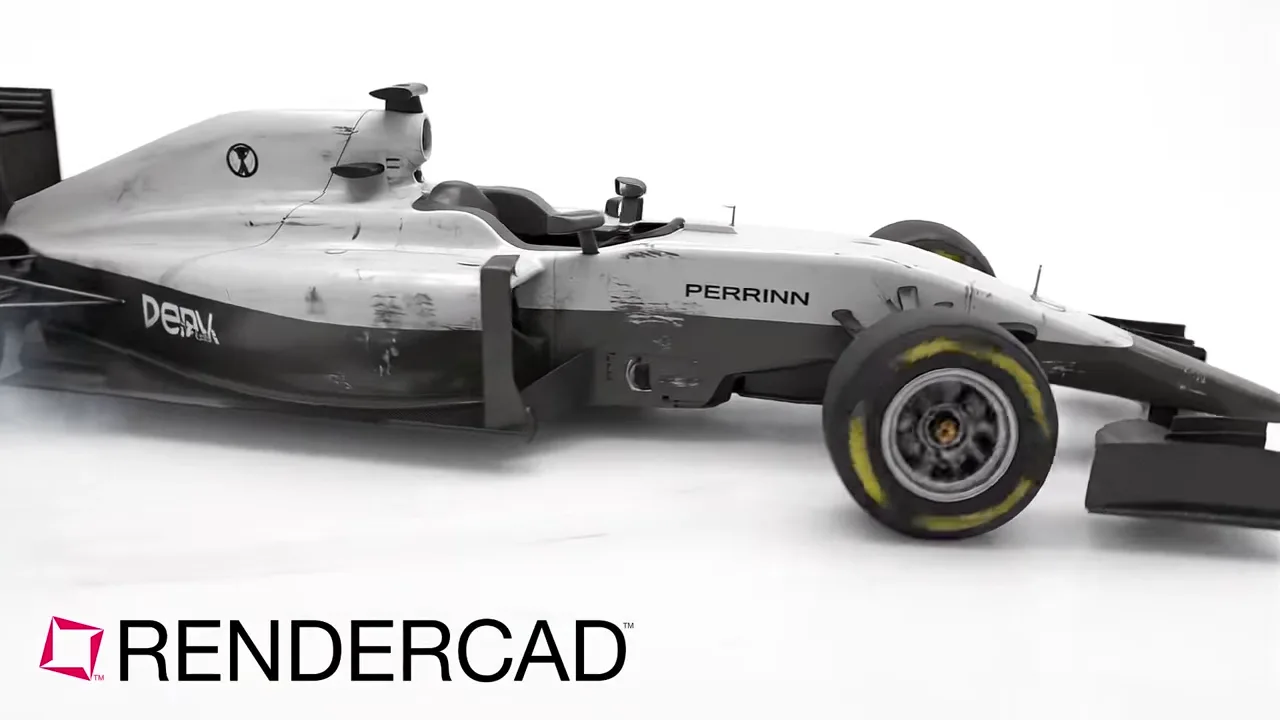
AI visual exploration from formZ shaded views and camera studies.
formZ supports solid, surface, and subdivision modeling for architectural massing, interiors, exhibits, furniture, and product forms. Its shaded views, saved cameras, section studies, and material cues can communicate a design direction before a dedicated visualization scene is complete.


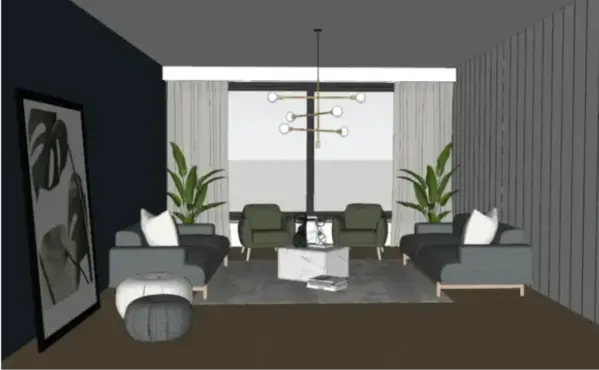
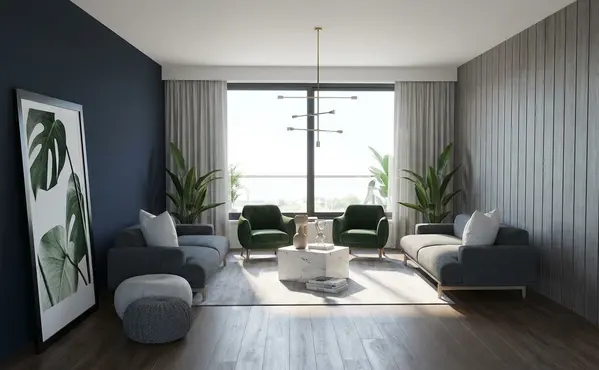
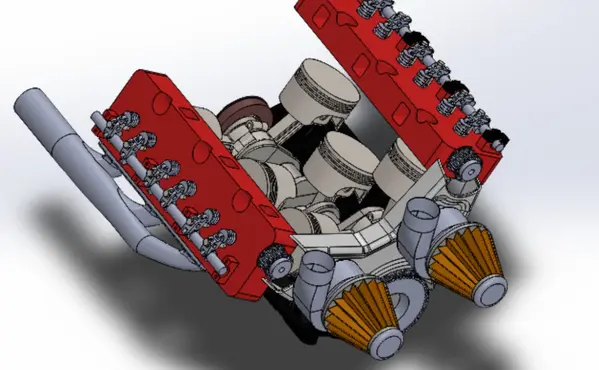


formZ supports solid, surface, and subdivision modeling for architectural massing, interiors, exhibits, furniture, and product forms. Its shaded views, saved cameras, section studies, and material cues can communicate a design direction before a dedicated visualization scene is complete.
formZ is useful when designers need to develop both precise geometry and an understandable visual story for a space or object. An architect can use a saved perspective to test a facade, lobby, retail display, or room layout; an exhibit or furniture designer can frame the silhouette, circulation, joinery, and key material zones; and a product designer can present a surface-model concept from the angle that best explains its proportions. A clean Shaded Work, Shaded Full, or other legible design view gives RENDERCAD useful guidance about composition, object placement, openings, and the intended camera height. RENDERCAD can then explore a more polished visual for early concept reviews, stakeholder presentations, portfolio drafts, or marketing-direction discussions without requiring the team to rebuild the same proposal in another scene. It is best used to develop visual options around a design view, rather than to certify the model's dimensions, construction details, material specification, or lighting performance. Keep formZ and the underlying project documentation as the source of truth for geometry and decisions.
In formZ, choose a saved camera or carefully composed perspective that shows the important design relationships at a useful scale. For an interior, show the room boundaries, major furniture, apertures, and the intended view direction. For a building or exhibit, use a massing view or clipping-plane study that makes entries, levels, structure, and circulation easy to read. Apply simple, distinct colors or materials to important groups when they clarify the proposal, then hide guides, dimensions, selection highlights, construction leftovers, and interface chrome. Capture the clean shaded view and use it in RENDERCAD to explore atmosphere, finish, contextual detail, or presentation styling. Compare the result back to the formZ view, revise the model or camera when the design changes, and make final geometry, material, and technical choices in formZ or the project's approved documentation.
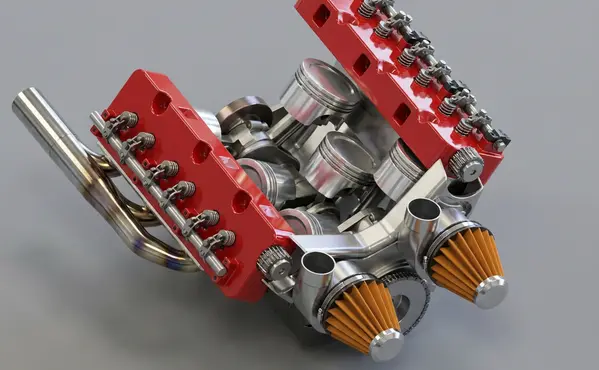
Modeled by CADSharp in Onshape. Rendered with RENDERCAD.
Add | Change | or Remove referenced objects with the stroke of a brush.
RENDERCAD uses a maintained selection of image-generation models for different rendering tasks. Results can vary by model and input, so compare generated output with the source design before relying on geometry, materials, or dimensions.
| Feature | RENDERCAD | Competitor |
|---|---|---|
| Engine | Generative AI | Varies by tool |
| Output | Images + Video | Varies by tool |
| Resolution | HD / 4K | Varies by workflow |
| Image Speed | Image renders complete in 60 seconds. | Varies by scene/tool |
| Video Speed | Videos complete in 2-5 minutes. | Varies by workflow |
| Scene Set Up | No separate local scene | Varies by workflow |
| Input | Screen Snip | Varies by tool |
| Hardware | Cloud GPU | Often local GPU/CPU |
| Install | None | Varies (web or app) |
| Cost | from $9/mo | Varies widely |
Read the numbers. We trust you to know theirs.
Skip a separate local scene build. Pick a condition, material, and background while RENDERCAD handles the image-generation step. Image renders complete in 60 seconds.
 ™
RENDERCAD™
™
RENDERCAD™
Use the browser workflow directly, capture a selected view with the desktop app, or start from the browser extension.
Get StartedCommon solutions for formZ users
Yes, use the "Details" field in the video tab to describe elements like "Steam rising" or "Lights flickering."
Use the RENDERCAD Overlay to capture a clear viewport without rebuilding a separate render scene. Image renders complete in 60 seconds.
Yes. A current desktop capture app and browser extension are available, and the browser upload workflow remains available without either tool.
Start with a sharp input, choose the Realistic engine, and use 4K when additional output resolution is needed. Higher resolution does not recover source detail that is missing or guarantee geometry fidelity.
Generation runs on cloud infrastructure, so a local rendering GPU is not required. The laptop still needs a supported browser, network access, and enough resources for the source application and image upload.
The core workflow is available in a supported browser and accepts a selected 2D image, so it does not require a rendering plugin in the source application.
The model can reinterpret curves and surface transitions from the 2D input. Compare the result with the source because edges and geometry can drift.
It accepts a clear viewport screenshot, so a separate local material, light, and camera scene is not required for the image-generation workflow.
It lets you describe motion, steam, lighting changes, or atmosphere for a generated clip. Added details may not exist in the source model.
With the Realistic engine selected, use Add Instruction to attach an authorized material image and describe how it should guide the render. The reference guides the generated image; it does not modify the native formZ model or guarantee a material match.
Yes. Draw a mask around the product and direct the background region separately. Inspect the full result because unmasked content can still drift during generation.
Yes, if the license permits this use. A stock image can guide a background or environment, while placement and lighting remain generated interpretations.