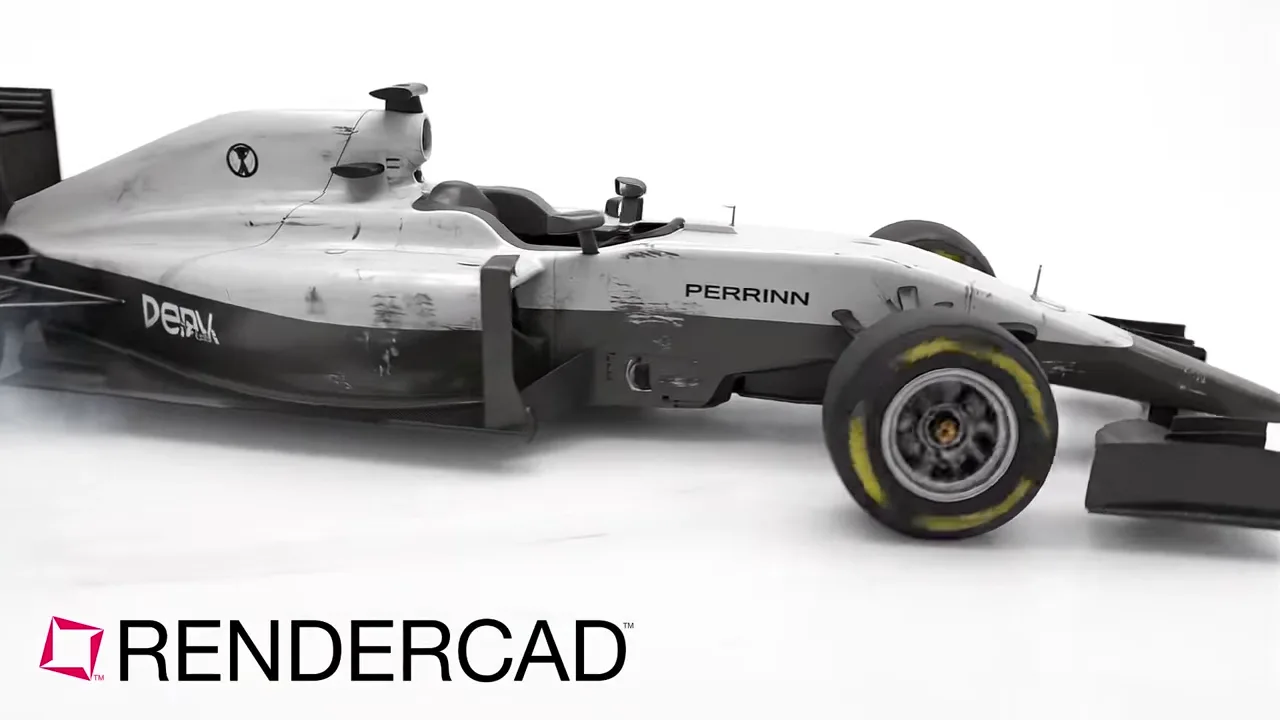
AI render concepts from formZ Pro architectural, interior, exhibit, and product views.
formZ Pro is a desktop 3D modeling application used to develop solid and surface-based architectural, interior, exhibit, and product-design studies. Its scenes can retain coordinated view, layer, lighting, and clipping-plane settings, making a saved perspective or live section a practical starting point for visual exploration. RENDERCAD can build a presentation-oriented render concept from that deliberate view when the model needs to communicate material, mood, context, or occupancy before a fully produced render is required.


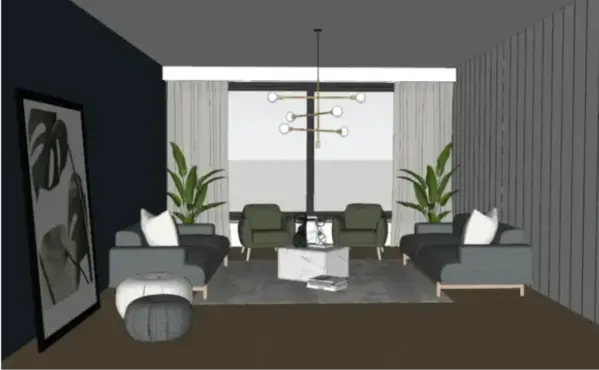
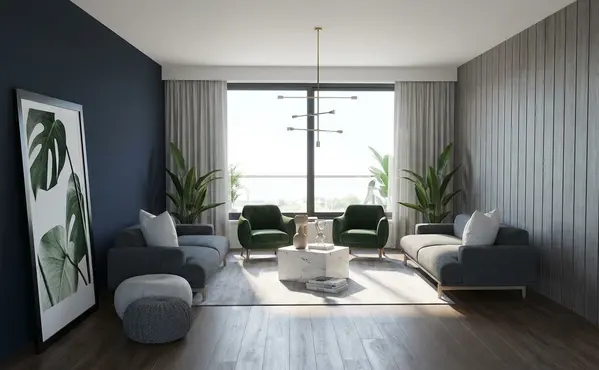
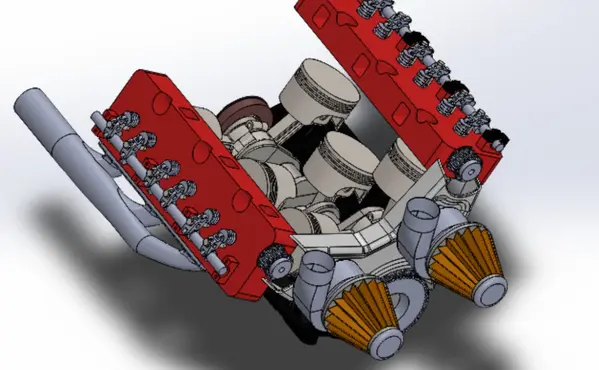


formZ Pro is a desktop 3D modeling application used to develop solid and surface-based architectural, interior, exhibit, and product-design studies. Its scenes can retain coordinated view, layer, lighting, and clipping-plane settings, making a saved perspective or live section a practical starting point for visual exploration. RENDERCAD can build a presentation-oriented render concept from that deliberate view when the model needs to communicate material, mood, context, or occupancy before a fully produced render is required.
formZ Pro is used for architectural massing, interior layouts, exhibit environments, and product forms that depend on precise solids and surfaces. A saved Scene can preserve the active view together with layer visibility, lighting, and clipping-plane settings, so it is useful for preparing a repeatable design-review image rather than relying on an accidental viewport angle. For an interior, show the circulation, openings, and key material zones in a shaded perspective. For an exhibit, isolate the visitor path, display elements, and branded surfaces. For a product, frame the silhouette, seams, controls, and contact surfaces clearly against a simple background.
RENDERCAD can turn that clean formZ Pro capture into a visual direction for a client review, proposal, option comparison, or early portfolio draft. Use it to test believable finish, daylight or artificial-light character, surrounding context, landscape, or styling while retaining the model view as the composition guide. It is well suited to communicating the intended reading of the design before committing time to detailed rendering setup. The result is a concept image, not a replacement for formZ Pro geometry, dimensions, documentation, or render-engine-controlled material accuracy.
In formZ Pro, resolve the geometry enough that the design intent is unambiguous, then use layers to remove construction-only content and create a saved Scene for the chosen perspective or clipping-plane section. Check that the view exposes the important volume, thresholds, surface changes, and focal details; use a simple shaded display when it explains the form more clearly than a busy work view. Hide selection highlights, guides, palettes, and other interface distractions before capturing the image.
Send that focused capture to RENDERCAD with a concise visual brief, such as a warm gallery interior, an overcast exterior study, a trade-show display with active circulation, or a studio product image. Compare a small set of directions while holding the camera angle and design geometry steady, then bring the preferred direction back to the review conversation. Keep source-model edits, exact material assignments, measured documentation, animation, and final renderer settings in formZ Pro. For API-based automation, use RENDERCAD developer documentation for current RENDERCAD implementation guidance.
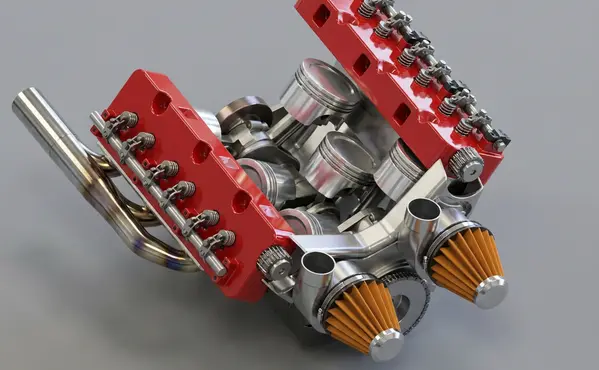
Modeled by CADSharp in Onshape. Rendered with RENDERCAD.
Add | Change | or Remove referenced objects with the stroke of a brush.
RENDERCAD uses a maintained selection of image-generation models for different rendering tasks. Results can vary by model and input, so compare generated output with the source design before relying on geometry, materials, or dimensions.
| Feature | RENDERCAD | V-Ray for formZ / RenderZone |
|---|---|---|
| Engine | Generative AI | V-Ray CPU and GPU rendering, plus RenderZone rendering |
| Output | Images + Video | Rendered images and animation frames, depending on the selected renderer |
| Resolution | HD / 4K | User-defined, hardware and renderer settings dependent |
| Image Speed | Image renders complete in 60 seconds. | Scene-dependent; local hardware and render settings drive wait times |
| Video Speed | Videos complete in 2-5 minutes. | Animation output is per-frame render dependent |
| Scene Set Up | No separate local scene | Configure render materials, lights, environment, camera, quality settings, and optional assets |
| Input | Screen Snip | formZ Pro model with the selected rendering extension |
| Hardware | Cloud GPU | Desktop (Windows and macOS) |
| Install | None | formZ Pro desktop application with optional V-Ray or RenderZone extensions |
| Cost | from $9/mo | Paid formZ licensing with rendering extensions available separately or with selected licenses |
Read the numbers. We trust you to know theirs.
Skip a separate local scene build. Pick a condition, material, and background while RENDERCAD handles the image-generation step. Image renders complete in 60 seconds.
 ™
RENDERCAD™
™
RENDERCAD™
Use the browser workflow directly, capture a selected view with the desktop app, or start from the browser extension.
Get StartedCommon solutions for formZ Pro users
Add phrases like "Light from left," "Backlit," or "Top down lighting" to your custom prompt in RENDERCAD.
Upload a CAD screenshot, real photo, or hand drawing, open the Video panel, and choose an available duration, camera preset, and product motion. Videos complete in 2-5 minutes.
Submit a clear viewport screenshot to the web workflow instead of running a local scene render. The generation request runs in the cloud while your source application remains separate.
Open the current desktop app or browser extension, select the viewport region, and send the captured image into the screenshot-based workflow. Availability and device requirements are documented on the current download pages.
Use the web upload workflow, the current desktop capture app, or the browser extension to submit a selected 2D view. This is a screenshot workflow, not a native CAD-file or renderer integration.
It supports fast visual feedback from a clear viewport capture. Image renders complete in 60 seconds.
The current desktop app or browser extension can capture a selected viewport region and send that screenshot into the image workflow. The web upload path remains available without a CAD plugin.
Choose a background or describe the intended environment and lighting. Generated reflections and illumination are visual interpretations, not a scene-based light simulation.
4K is an optional output-resolution step. It increases pixel dimensions but does not restore missing source detail or guarantee print suitability.
It guides the video toward a looping transition. Review continuity after export because the first and last frames may still need editing.
A material photo can communicate grain, color, and finish more directly than text alone. Compare the result with the intended material because scale and orientation can drift.
Mask individual components and assign color prompts or authorized references. Verify brand color in a color-managed workflow rather than relying on generated accuracy.