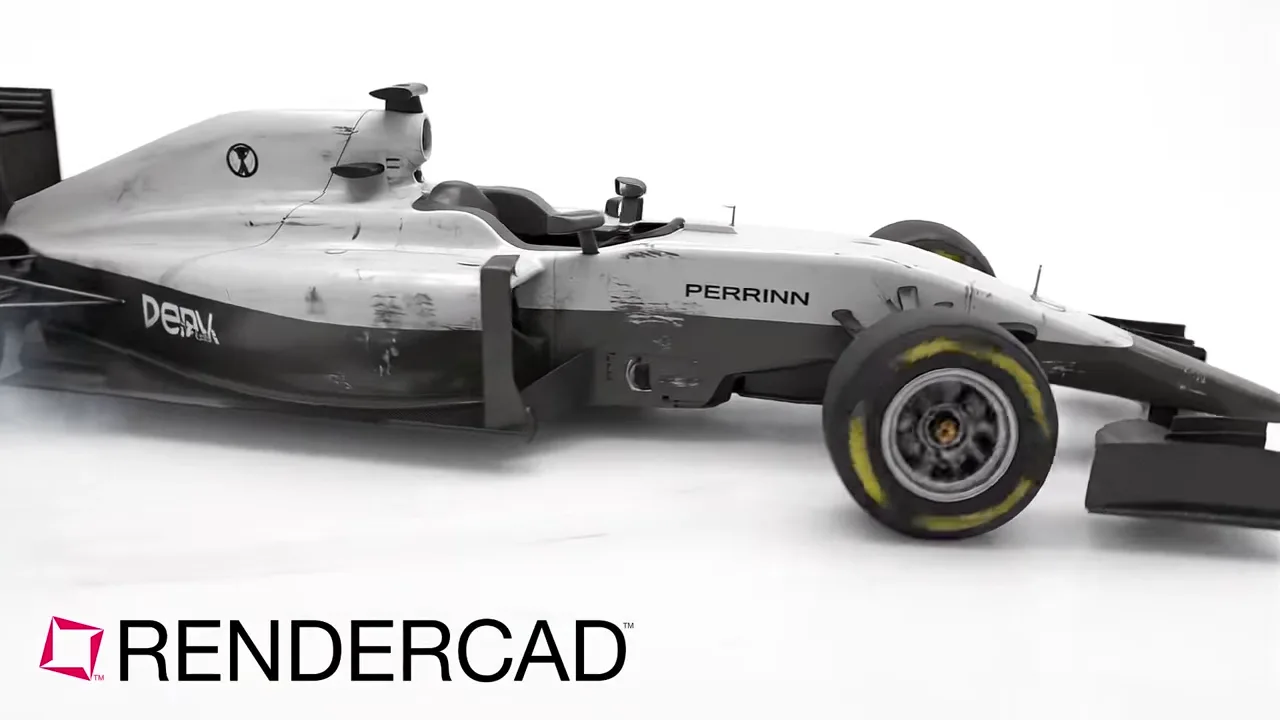
Develop ArtRage painted studies into clearer concept presentation visuals.
ArtRage is natural-media digital painting software for building textured visual studies with paint tools, layers, reference and tracing images, and perspective layouts. It suits artists and design teams who want to establish a product, interior, prop, or environment through brushwork before a detailed 3D scene exists. The valuable handoff is the visible painted composition: a full-frame view with a clear silhouette, intentional viewpoint, palette, main light, and enough surface cues to communicate the design direction.


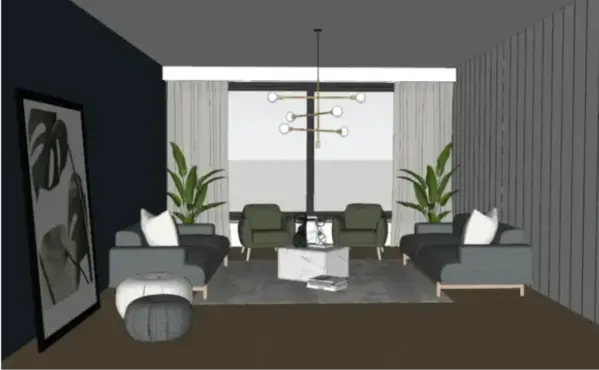
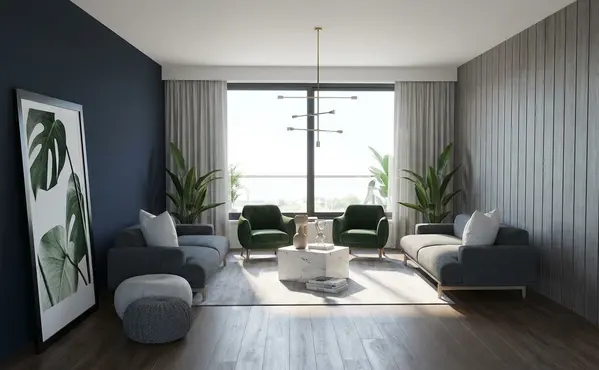


ArtRage is natural-media digital painting software for building textured visual studies with paint tools, layers, reference and tracing images, and perspective layouts. It suits artists and design teams who want to establish a product, interior, prop, or environment through brushwork before a detailed 3D scene exists. The valuable handoff is the visible painted composition: a full-frame view with a clear silhouette, intentional viewpoint, palette, main light, and enough surface cues to communicate the design direction.
ArtRage is especially useful for painted design studies in which natural-media marks, canvas texture, and hand-mixed color establish the character of a product, interior, prop, or environment. Reference and tracing images can help the artist judge proportion while one- or two-point perspective layouts keep an architectural space or product sketch readable. Once the painting communicates the silhouette, camera angle, palette, focal point, and intended mood, a clean export can give RENDERCAD meaningful visual direction. Use it to explore a more presentation-ready interpretation with clearer light direction, material separation, and spatial depth for a concept review, pitch image, mood board, or early marketing direction. This is most useful for comparing visual directions before committing the concept to a fully modeled scene. It is not a substitute for accurate geometry, measured dimensions, or ArtRage's original painting decisions; return to the ArtRage file when composition, paint texture, or illustration detail needs to change.
In ArtRage, organize the painting so the visible subject, background, and major paint treatments can be judged separately, then resolve the perspective, silhouette, color blocks, and primary shadow pattern. Treat tracing images and references as drawing aids: tracing images are not part of an ordinary image export, and guides or interface elements should not appear in the handoff. Save the editable painting in PTG format, then export a clean full-frame PNG or other standard image for RENDERCAD. Upload the export with the framing and focal point already decided, and use the result to test a focused lighting or material treatment while retaining the painted composition. Compare each variation with the ArtRage original during review. If proportions, design details, or the desired brush character drift, correct the ArtRage study and export again rather than treating the generated image as the source of truth.
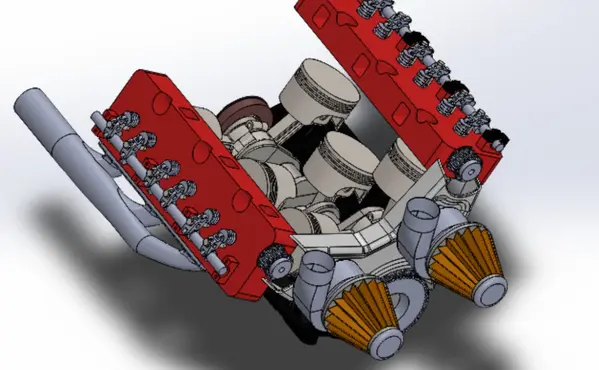
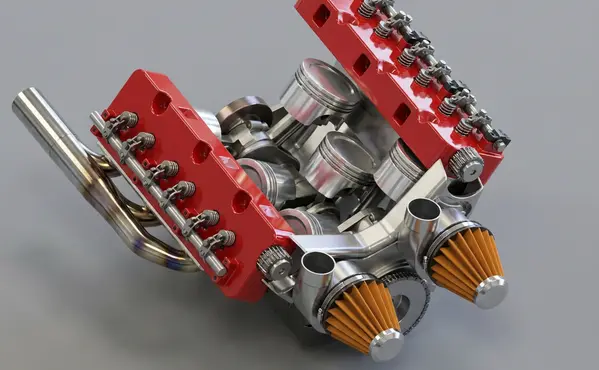
Modeled by CADSharp in Onshape. Rendered with RENDERCAD.
Add | Change | or Remove referenced objects with the stroke of a brush.
RENDERCAD uses a maintained selection of image-generation models for different rendering tasks. Results can vary by model and input, so compare generated output with the source design before relying on geometry, materials, or dimensions.
| Feature | RENDERCAD | Competitor |
|---|---|---|
| Engine | Generative AI | Varies by tool |
| Output | Images + Video | Varies by tool |
| Resolution | HD / 4K | Varies by workflow |
| Image Speed | Image renders complete in 60 seconds. | Varies by scene/tool |
| Video Speed | Videos complete in 2-5 minutes. | Varies by workflow |
| Scene Set Up | No separate local scene | Varies by workflow |
| Input | Screen Snip | Varies by tool |
| Hardware | Cloud GPU | Often local GPU/CPU |
| Install | None | Varies (web or app) |
| Cost | from $9/mo | Varies widely |
Read the numbers. We trust you to know theirs.
Skip a separate local scene build. Pick a condition, material, and background while RENDERCAD handles the image-generation step. Image renders complete in 60 seconds.
 ™
RENDERCAD™
™
RENDERCAD™
Use the browser workflow directly, capture a selected view with the desktop app, or start from the browser extension.
Get StartedCommon solutions for ArtRage users
Photograph or scan an authorized material swatch and upload it as a reference. Verify the generated texture's scale, direction, and color against the physical sample.
Use overlapping masked regions with separate references or instructions, then inspect the transition and iterate where a boundary is visible.
Yes. Mask the product and direct the background with an authorized environment reference. Review the full result because product details can still drift.
Upload a CAD screenshot, real photo, or hand drawing and describe condensation or water droplets in the custom prompt. Generated placement and appearance vary, so iterate or mask a region when needed.
Choose the Dusty condition and describe the intended atmosphere. Generated dust is illustrative, so review how it affects important product details.
Videos complete in 2-5 minutes.
Use the RENDERCAD Overlay to capture a clear viewport without rebuilding a separate render scene. Image renders complete in 60 seconds.
Yes. A current desktop capture app and browser extension are available, and the browser upload workflow remains available without either tool.
Prompt "1950s appliance style, retro photography."
Generation runs on cloud infrastructure, so a local rendering GPU is not required. The laptop still needs a supported browser, network access, and enough resources for the source application and image upload.
The core workflow is available in a supported browser and accepts a selected 2D image, so it does not require a rendering plugin in the source application.
The model can reinterpret curves and surface transitions from the 2D input. Compare the result with the source because edges and geometry can drift.