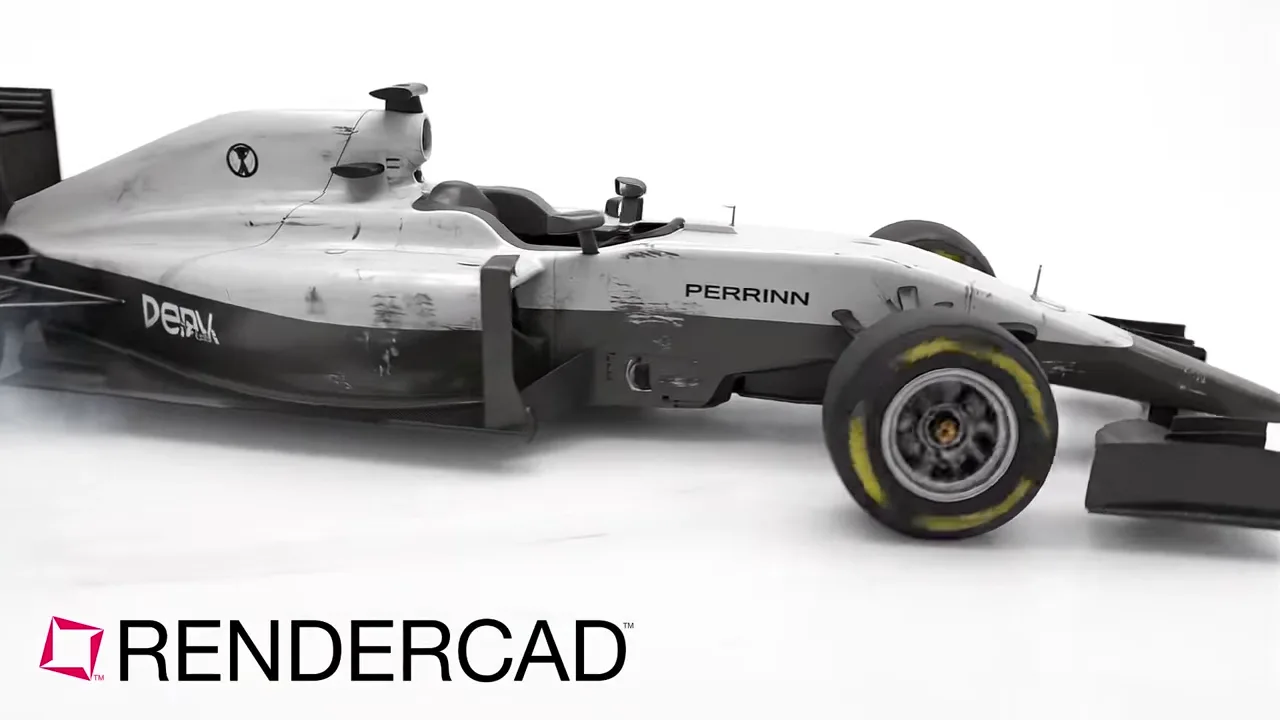
Polish DELMIA factory layouts and robot workcell views for clear presentations.
Manufacturing virtual twin software for planning and simulating factory layouts, production systems, robot workcells, processes, and operations.


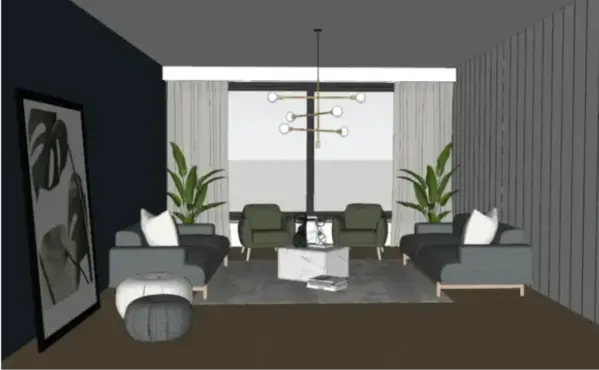
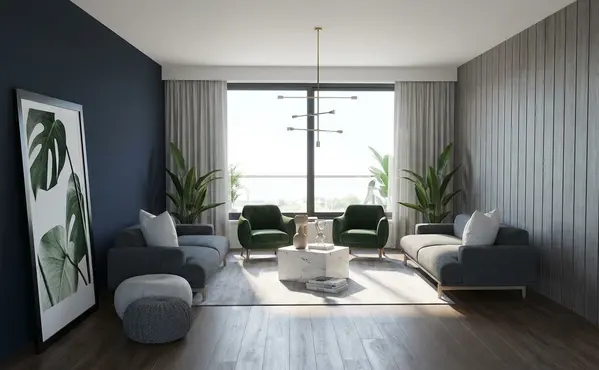
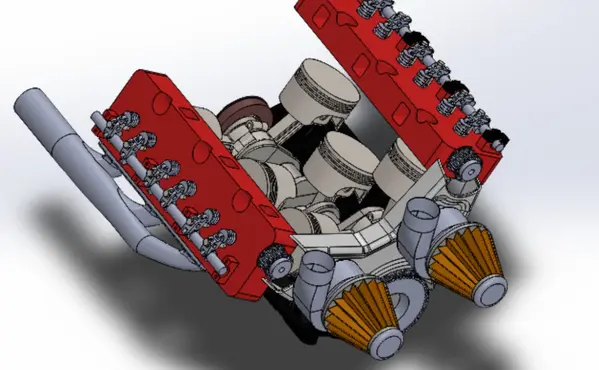


Manufacturing virtual twin software for planning and simulating factory layouts, production systems, robot workcells, processes, and operations.
DELMIA supports manufacturing teams that plan and simulate production systems in 3D, including factory layouts, machines, robot workcells, material flow, process sequences, and operator work areas. A DELMIA virtual-factory or robotics view can be especially useful when a proposed line change, automation concept, or cell arrangement must be understood by people outside a detailed engineering review. RENDERCAD can turn a clean viewport capture into a more polished explanatory visual while preserving the composition and equipment relationships visible in the reference. Use it for concept decks, line-builder proposals, training illustrations, plant-planning discussions, and stakeholder updates that need to show the intended production environment. Keep DELMIA as the source of truth for manufacturing data, resource definitions, robot programs, feasibility, collision analysis, ergonomics, process validation, and simulation results.
In DELMIA, isolate the factory zone, production line, robot cell, or material-handling arrangement that tells the story. Select a view that makes the relationships between robots, tooling, conveyors, machines, product, and safety space legible. Hide dense labels, planning tables, measurement overlays, simulation traces, and unrelated geometry, then capture a clean viewport or export an image. Upload it to RENDERCAD and describe the audience and intended visual treatment, such as a bright planning-board image, a realistic factory presentation, or a simplified training illustration. Review the result against the DELMIA view so major assets and spatial relationships remain recognizable. Use the polished image to communicate a proposal or scenario, not as evidence of throughput, safety, cycle time, collision clearance, PLC behavior, ergonomics, or simulation validation.
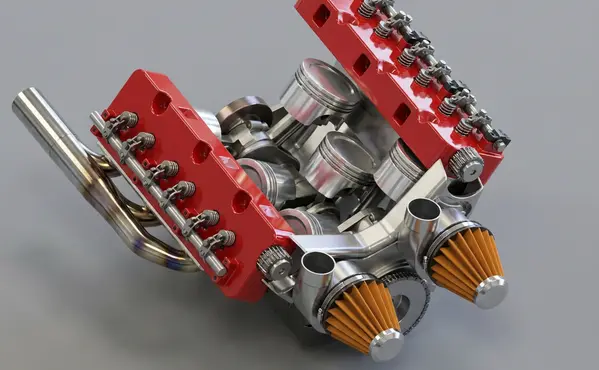
Modeled by CADSharp in Onshape. Rendered with RENDERCAD.
Add | Change | or Remove referenced objects with the stroke of a brush.
RENDERCAD uses a maintained selection of image-generation models for different rendering tasks. Results can vary by model and input, so compare generated output with the source design before relying on geometry, materials, or dimensions.
| Feature | RENDERCAD | Competitor |
|---|---|---|
| Engine | Generative AI | Varies by tool |
| Output | Images + Video | Varies by tool |
| Resolution | HD / 4K | Varies by workflow |
| Image Speed | Image renders complete in 60 seconds. | Varies by scene/tool |
| Video Speed | Videos complete in 2-5 minutes. | Varies by workflow |
| Scene Set Up | No separate local scene | Varies by workflow |
| Input | Screen Snip | Varies by tool |
| Hardware | Cloud GPU | Often local GPU/CPU |
| Install | None | Varies (web or app) |
| Cost | from $9/mo | Varies widely |
Read the numbers. We trust you to know theirs.
Skip a separate local scene build. Pick a condition, material, and background while RENDERCAD handles the image-generation step. Image renders complete in 60 seconds.
 ™
RENDERCAD™
™
RENDERCAD™
Use the browser workflow directly, capture a selected view with the desktop app, or start from the browser extension.
Get StartedCommon solutions for DELMIA users
Photograph or scan an authorized material swatch and upload it as a reference. Verify the generated texture's scale, direction, and color against the physical sample.
Select the glass or transparent components with a mask. Apply glass-specific prompts to the masked area while treating opaque parts differently.
Reuse the same authorized lighting, material, and style references, then review every output against the brand system. References can help consistency but do not guarantee it.
Describe chrome or a silver mirror finish and choose an environment that provides useful reflections. Inspect the output for artifacts and unintended reflected details.
Choose a suitable background and describe a reflective floor. Inspect the generated reflection for alignment, product fidelity, and unintended details.
Videos complete in 2-5 minutes.
If the source viewport is visible but a local renderer fails, capture a clear screenshot and use it as a RENDERCAD input. Image renders complete in 60 seconds.
Yes. Upload a photo of a foam model and prompt "Finished plastic product" to visualize the final look.
Describe cinematic depth of field and the intended focus area. Check that important product details remain sharp after generation.
Image renders complete in 60 seconds.
Generation runs on cloud infrastructure, so a local rendering GPU is not required. The device still needs sufficient resources for the source application, browser, and network connection.
Context prompts can provide a visual scale cue, but the source model and known dimensions remain authoritative. Do not infer measurements from generated imagery.