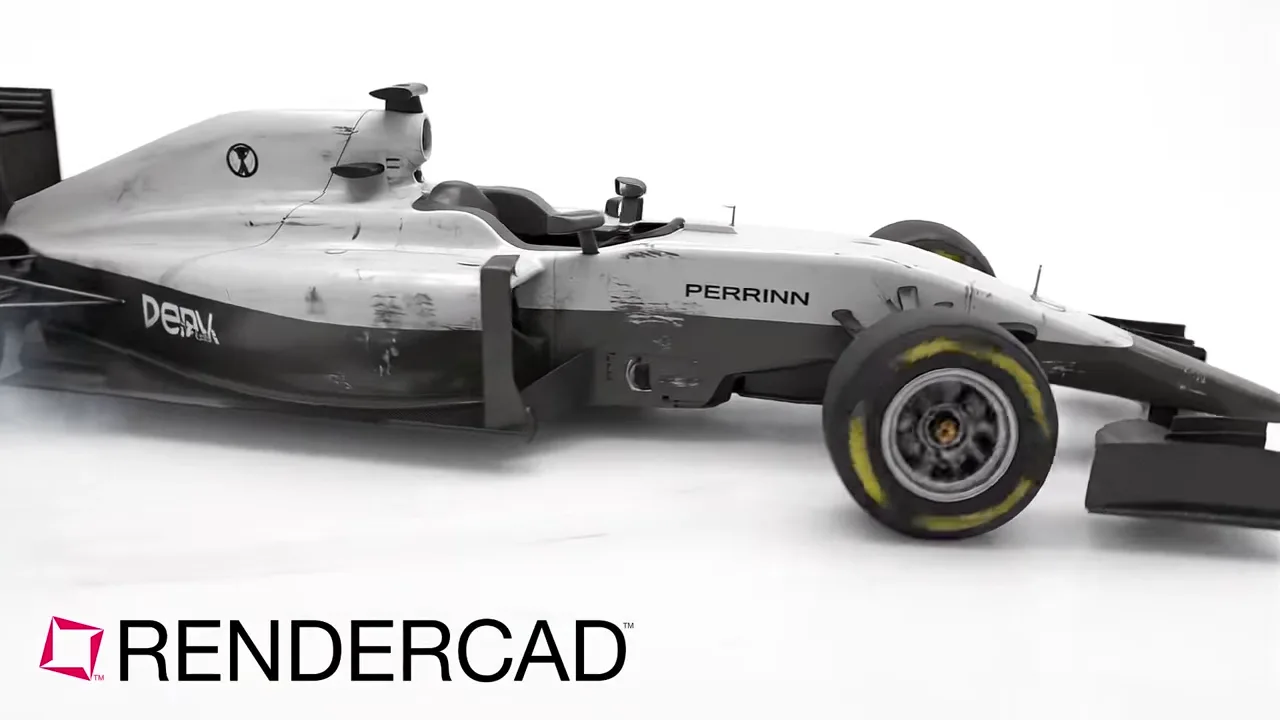
AI render concepts from Adobe Dimension product and packaging scenes.
Adobe Dimension is a 3D compositing and staging application for graphic designers creating product mockups, package concepts, branded scenes, and still images. Teams can place 3D models, apply logos or label artwork, adjust materials and lighting, and frame the result with a camera before producing a rendered image or layered PSD for follow-on compositing.


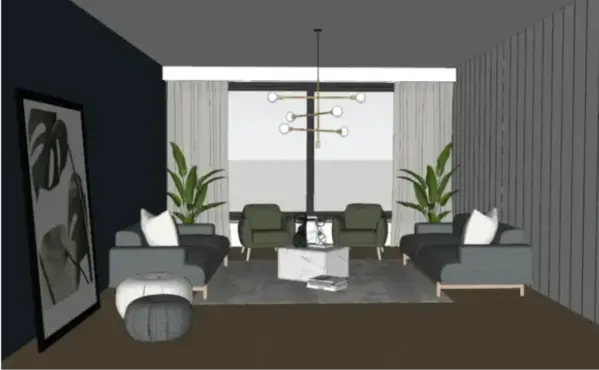
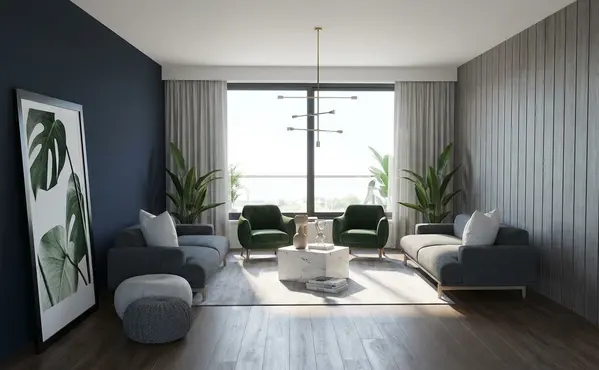


Adobe Dimension is a 3D compositing and staging application for graphic designers creating product mockups, package concepts, branded scenes, and still images. Teams can place 3D models, apply logos or label artwork, adjust materials and lighting, and frame the result with a camera before producing a rendered image or layered PSD for follow-on compositing.
Adobe Dimension is especially useful when a packaging, branding, or product-design team needs to see flat artwork in context. A designer can stage a bottle, carton, pouch, can, or consumer device; apply the label or vector graphic; and refine the camera, material response, lights, and background. For a visual exploration after that setup is clear, RENDERCAD can use a clean Dimension viewport or draft render as a reference for alternative studio packshots, retail-context scenes, lifestyle compositions, and campaign concepts. The useful reference is a view that already makes the product silhouette, artwork placement, and intended camera angle unmistakable. RENDERCAD is suited to testing art direction and presentation treatments, not correcting the source design. Dimension remains the source of truth for the model, exact decal or label placement, camera, material assignments, and any final brand approval.
In Adobe Dimension, import or select the model, apply the approved graphics, and establish the product scale, camera, materials, lights, and environment. Use Design mode to arrange the composition, then use a clear viewport capture or a lower-effort rendered image as the visual brief. Exclude selection outlines, panels, grids, and unrelated objects. In RENDERCAD, retain the reference product and viewpoint while requesting a specific presentation direction, such as a clean ecommerce packshot, a premium tabletop still life, or a believable retail shelf context. Review the result against the Dimension scene and original artwork before using it in a design review or marketing concept. Return to Dimension, Photoshop, or the approved production workflow for precise graphics, retouching, layered compositing, and final deliverables. Developer documentation is available for teams that need workflow integration guidance.
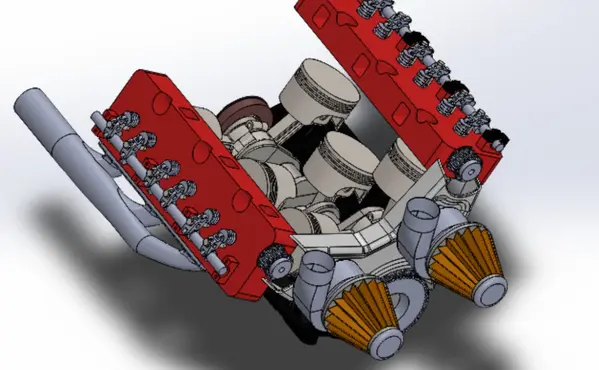
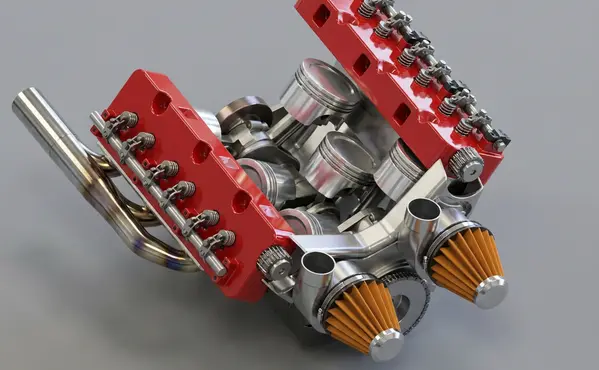
Modeled by CADSharp in Onshape. Rendered with RENDERCAD.
Add | Change | or Remove referenced objects with the stroke of a brush.
RENDERCAD uses a maintained selection of image-generation models for different rendering tasks. Results can vary by model and input, so compare generated output with the source design before relying on geometry, materials, or dimensions.
| Feature | RENDERCAD | Adobe Dimension render workflow |
|---|---|---|
| Engine | Generative AI | Adobe Mercury Rendering Engine with real-time and ray-tracing rendering |
| Output | Images + Video | PNG still images or PSD exports with render layers for compositing |
| Resolution | HD / 4K | Camera dimensions or an export override set the image resolution |
| Image Speed | Image renders complete in 60 seconds. | Varies with render settings, image size, materials, lighting, and available hardware |
| Video Speed | Videos complete in 2-5 minutes. | Dimension focuses on still-image rendering rather than video output |
| Scene Set Up | No separate local scene | A staged scene of models, applied graphics, materials, lights, cameras, and an environment |
| Input | Screen Snip | Dimension scenes with imported or starter assets, graphics, materials, and environment settings |
| Hardware | Cloud GPU | Desktop application for supported Windows and macOS systems |
| Install | None | Desktop application installation required |
| Cost | from $9/mo | Adobe licensing availability varies by plan, region, and account type |
Read the numbers. We trust you to know theirs.
Skip a separate local scene build. Pick a condition, material, and background while RENDERCAD handles the image-generation step. Image renders complete in 60 seconds.
 ™
RENDERCAD™
™
RENDERCAD™
Use the browser workflow directly, capture a selected view with the desktop app, or start from the browser extension.
Get StartedCommon solutions for Adobe Dimension users
Provide a material reference or describe the intended scale, then compare the result with known dimensions and the source model.
Yes, if you are authorized to use them. Catalog images can guide a visual direction, but generated quality and product fidelity vary.
Image references and masks are applied during the initial image render. Once you have your styled image, use the Image-to-Video feature to animate it with camera movements.
Yes. Use authorized previous renders as style references, then review the new output because visual consistency can vary.
Upload a clear image or use a current capture tool, describe carbon fiber, and add an authorized material reference when a specific visual direction matters. Image renders complete in 60 seconds.
Upload a CAD screenshot, real photo, or hand drawing and describe warm golden-hour light and the intended direction. Review the generated color and shadows because the interpretation can vary.
Yes. Choose the Dolly In or Dolly Out camera preset in the Video panel, then review the clip for product and geometry fidelity.
Yes. RENDERCAD's Render Studio works on Safari or Chrome on Mac, allowing you to turn CAD screenshots, real photos, and hand drawings into pro renders easily.
Generating images or videos consumes credits. Your balance refreshes monthly based on your subscription plan.
Start with a clear, well-framed viewport and describe the intended material and lighting. Image renders complete in 60 seconds, and you can iterate or mask a region when an artifact remains.
RENDERCAD can place a clear viewport capture into a described lifestyle environment, such as a kitchen or office, and produce options for review.
The screenshot workflow uses image inputs, presets, and plain-language direction. Teams should still review generated output with the appropriate designer or product owner.