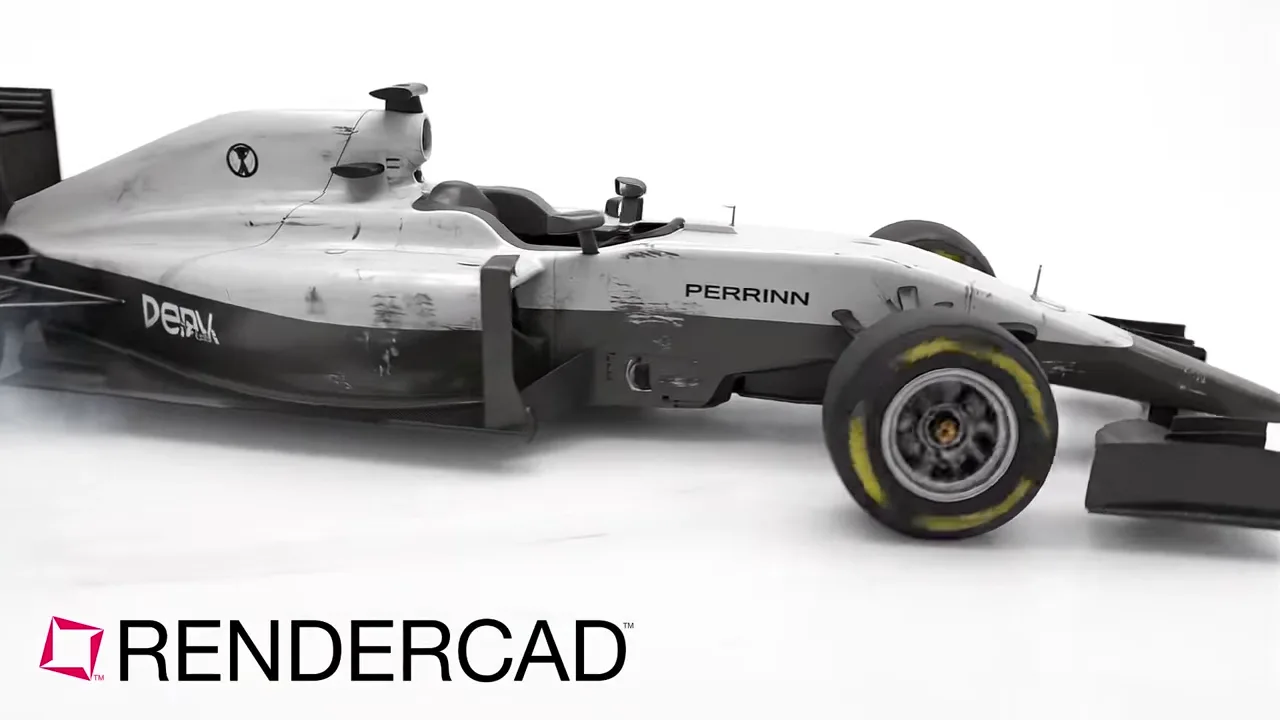
Polished stills from Vuforia Model Target, Guide View, and AR overlay previews.
Vuforia Engine supports augmented reality experiences that recognize and track physical objects, including rigid objects prepared as Model Targets from CAD data or 3D scans.


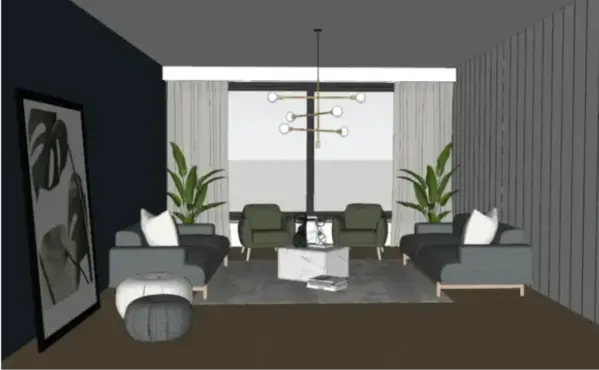
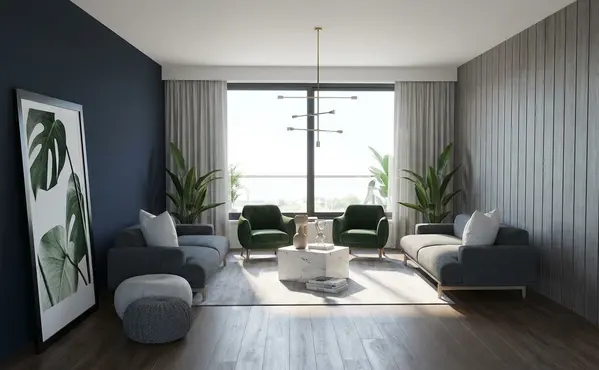


Vuforia Engine supports augmented reality experiences that recognize and track physical objects, including rigid objects prepared as Model Targets from CAD data or 3D scans.
Vuforia Engine teams can prepare CAD data or a cleaned, accurately scaled 3D scan of a rigid real-world object as a Model Target. In the Model Target Generator, they configure Guide Views that show the approach angle and distance a user should use to start tracking; a Unity experience can then present a 2D or 3D guide and the intended digital overlay. RENDERCAD fits the communication stage after this technical work is established. Use an approved Guide View, a device test capture, or a carefully framed Unity preview as the source image for a polished still that explains how a technician, trainee, or stakeholder will encounter the object and overlay. The resulting visual can support service instructions, training overviews, design reviews, product presentations, and launch collateral. RENDERCAD does not create Model Target databases, determine whether an object is suitable for tracking, or verify recognition and overlay behavior. Vuforia and on-device testing remain the source of truth for the working AR experience.
First, confirm the Model Target and AR experience in Vuforia with the actual object, including the chosen Guide View or recognition approach. Capture the most legible moment: a diagonal Guide View that shows the object shape, a device screen with the overlay correctly registered, or a Unity scene that clearly separates the physical product from digital instructions. Remove confidential labels, live operational values, and identifiable people before exporting a still. Upload the approved capture to RENDERCAD and refine the visible product, material appearance, lighting, surroundings, and composition while preserving the key AR context. Use the finished image in a training brief, service-documentation overview, stakeholder review, or product story. Return to Vuforia for all target generation, tracking checks, interaction design, and runtime validation. For repeatable image workflows, consult RENDERCAD developer documentation.
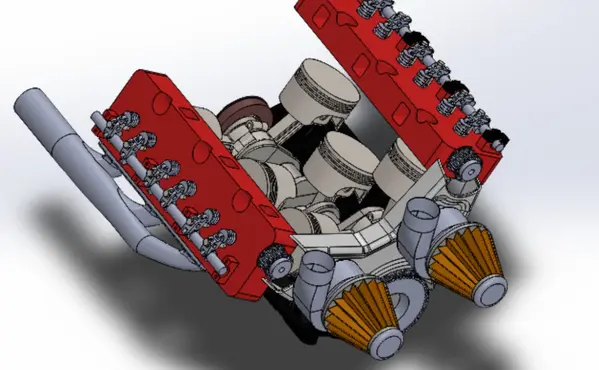
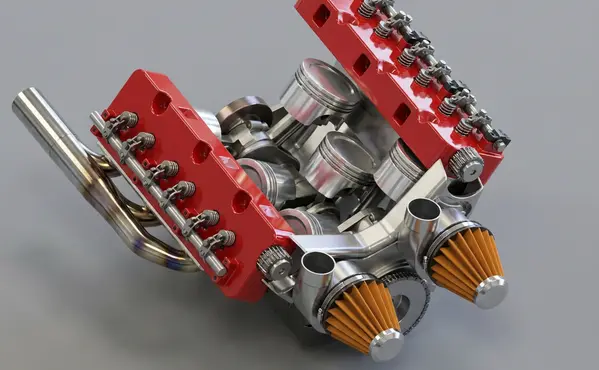
Modeled by CADSharp in Onshape. Rendered with RENDERCAD.
Add | Change | or Remove referenced objects with the stroke of a brush.
RENDERCAD uses a maintained selection of image-generation models for different rendering tasks. Results can vary by model and input, so compare generated output with the source design before relying on geometry, materials, or dimensions.
| Feature | RENDERCAD | Competitor |
|---|---|---|
| Engine | Generative AI | Varies by tool |
| Output | Images + Video | Varies by tool |
| Resolution | HD / 4K | Varies by workflow |
| Image Speed | Image renders complete in 60 seconds. | Varies by scene/tool |
| Video Speed | Videos complete in 2-5 minutes. | Varies by workflow |
| Scene Set Up | No separate local scene | Varies by workflow |
| Input | Screen Snip | Varies by tool |
| Hardware | Cloud GPU | Often local GPU/CPU |
| Install | None | Varies (web or app) |
| Cost | from $9/mo | Varies widely |
Read the numbers. We trust you to know theirs.
Skip a separate local scene build. Pick a condition, material, and background while RENDERCAD handles the image-generation step. Image renders complete in 60 seconds.
 ™
RENDERCAD™
™
RENDERCAD™
Use the browser workflow directly, capture a selected view with the desktop app, or start from the browser extension.
Get StartedCommon solutions for Vuforia users
Mask individual components and assign color prompts or authorized references. Verify brand color in a color-managed workflow rather than relying on generated accuracy.
Yes, when you are authorized to use them. A generated concept can guide the visual direction of a later render, but product fidelity and style consistency still require review.
Describe the intended powder-coat color, gloss, and surface texture. Treat the generated finish as a visual direction and verify any production specification separately.
Upload a clear image, choose the Realistic engine, and describe a large soft light source or overcast lighting. Generated shadows are visual approximations, not a physical lighting calculation.
Yes, use the "Details" field in the video tab to describe elements like "Steam rising" or "Lights flickering."
No local NVIDIA rendering GPU is required. Use a supported browser to upload an image or a current capture tool to select a screenshot; generation runs on cloud infrastructure.
The Render History page lets you browse and download retained images and videos. Storage duration depends on the account plan, so download assets you need before they expire.
Add a familiar scale cue such as a person, hand, or furniture item, then verify the generated relationship against known dimensions in the source model.
The core workflow starts from a selected 2D view, so it does not require native CAD-file conversion or source-model upload.
Reuse a clear history image and change the color instruction or reference. Treat the results as visual options rather than color-managed proof.
Describe the finish, gloss, grain direction, and lighting, or provide an authorized material reference. Generated reflections are visual approximations rather than physically verified material behavior.
It uses generative image models with screenshot or image inputs. Models and features can change over time, so current product documentation is the source of truth.