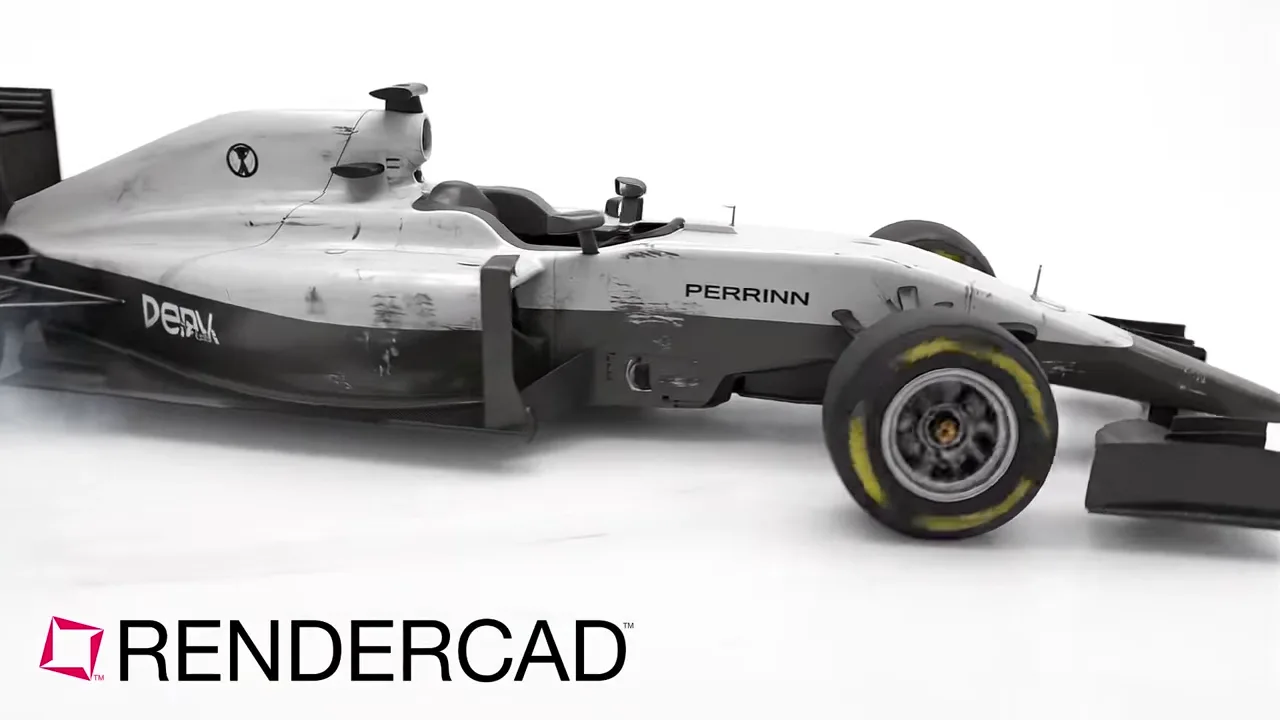
AI render concepts from Vectorworks Fundamentals model and viewport views.
General-purpose 2D and 3D CAD software for precision drafting, flexible modeling, documentation, and design presentations.


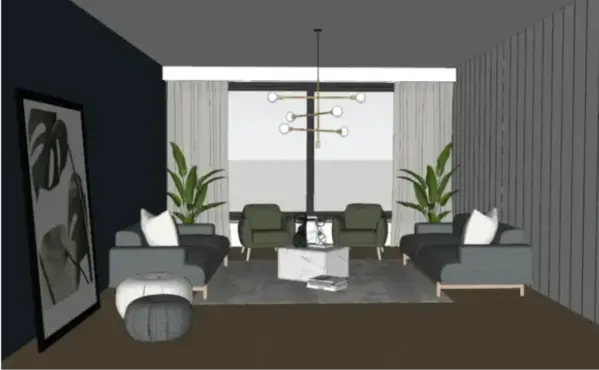
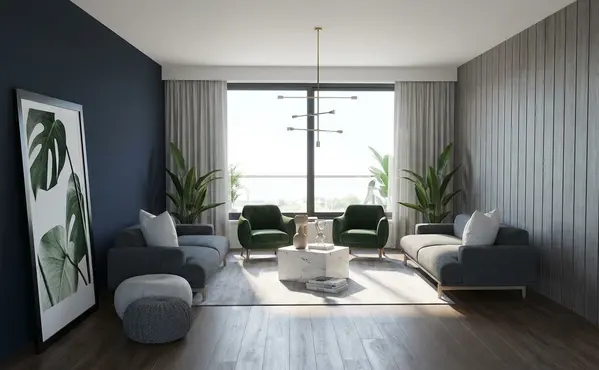


General-purpose 2D and 3D CAD software for precision drafting, flexible modeling, documentation, and design presentations.
Vectorworks Fundamentals supports a hybrid design process in which 2D drawings, 3D models, and documentation can be developed together. That makes it useful for industrial designers, furniture designers, fabricators, and general-purpose design teams that need both a precise working model and an approachable presentation image. RENDERCAD fits after the design is legible in Vectorworks but before a review, proposal, or design board needs a more expressive visual direction. Use a clean perspective, two-point perspective, axonometric view, or sheet-layer viewport that shows the overall silhouette, important surfaces, and intended camera angle. A furniture study can benefit from clearer material character and studio lighting; an object, fixture, or small spatial concept can benefit from a believable setting, daylight, or atmosphere. The result is most useful for comparing visual directions and explaining design intent to non-technical reviewers. Keep the Vectorworks file as the source of truth for geometry, dimensions, assemblies, documentation, and any fabrication decisions. A RENDERCAD image should support the conversation around the design, not replace the CAD model or construction information.
In Vectorworks Fundamentals, develop the object, furniture piece, fixture, or early spatial concept in the hybrid 2D and 3D environment, then choose a review view rather than a documentation view. A saved perspective, two-point perspective, axonometric view, or sheet-layer viewport is a strong starting point when it keeps the form, openings, major material zones, and scale cues readable. Hide dimensions, class-heavy construction information, worksheets, and markup that do not belong in the visual. Export or capture the composed view and upload it to RENDERCAD with a concise direction such as a warm residential setting, neutral product studio, material exploration, or daylight exterior. Review the generated image beside the Vectorworks model to check that the intended proportions, key features, and camera remain recognizable. Use selected outputs in concept boards, stakeholder reviews, or early marketing discussions, then return to Fundamentals for changes to the model and its drawings.
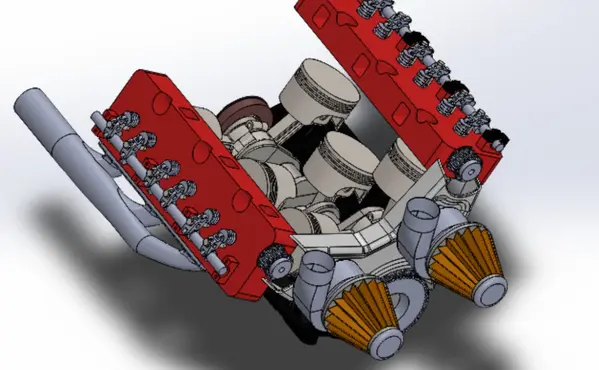
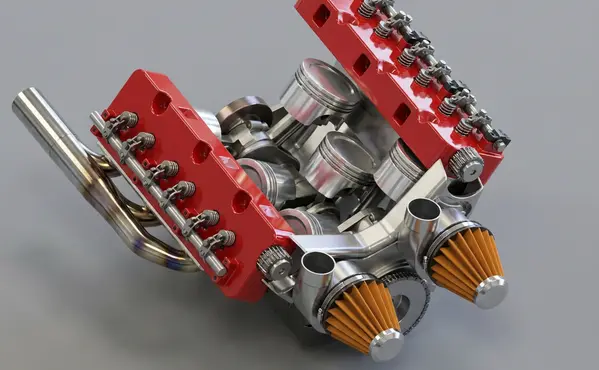
Modeled by CADSharp in Onshape. Rendered with RENDERCAD.
Add | Change | or Remove referenced objects with the stroke of a brush.
RENDERCAD uses a maintained selection of image-generation models for different rendering tasks. Results can vary by model and input, so compare generated output with the source design before relying on geometry, materials, or dimensions.
| Feature | RENDERCAD | Competitor |
|---|---|---|
| Engine | Generative AI | Varies by tool |
| Output | Images + Video | Varies by tool |
| Resolution | HD / 4K | Varies by workflow |
| Image Speed | Image renders complete in 60 seconds. | Varies by scene/tool |
| Video Speed | Videos complete in 2-5 minutes. | Varies by workflow |
| Scene Set Up | No separate local scene | Varies by workflow |
| Input | Screen Snip | Varies by tool |
| Hardware | Cloud GPU | Often local GPU/CPU |
| Install | None | Varies (web or app) |
| Cost | from $9/mo | Varies widely |
Read the numbers. We trust you to know theirs.
Skip a separate local scene build. Pick a condition, material, and background while RENDERCAD handles the image-generation step. Image renders complete in 60 seconds.
 ™
RENDERCAD™
™
RENDERCAD™
Use the browser workflow directly, capture a selected view with the desktop app, or start from the browser extension.
Get StartedCommon solutions for Vectorworks Fundamentals users
Capture a clear view, select the Realistic engine, choose the Factory New condition, and describe brushed aluminum. A material reference can guide grain direction, but review the generated surface against the source design.
Choose the Dusty condition and describe the intended atmosphere. Generated dust is illustrative, so review how it affects important product details.
Videos complete in 2-5 minutes.
Use the RENDERCAD Overlay to capture a clear viewport without rebuilding a separate render scene. Image renders complete in 60 seconds.
Yes. A current desktop capture app and browser extension are available, and the browser upload workflow remains available without either tool.
Choose a White background and describe a grounded subject with a soft contact shadow. Inspect the generated shadow for alignment and plausibility.
Generation runs on cloud infrastructure, so a local rendering GPU is not required. The laptop still needs a supported browser, network access, and enough resources for the source application and image upload.
The core workflow is available in a supported browser and accepts a selected 2D image, so it does not require a rendering plugin in the source application.
The model can reinterpret curves and surface transitions from the 2D input. Compare the result with the source because edges and geometry can drift.
It accepts a clear viewport screenshot, so a separate local material, light, and camera scene is not required for the image-generation workflow.
It lets you describe motion, steam, lighting changes, or atmosphere for a generated clip. Added details may not exist in the source model.
Yes, if you are authorized to use the photo. It can guide the environment, while placement, lighting, and shadows remain generated interpretations.