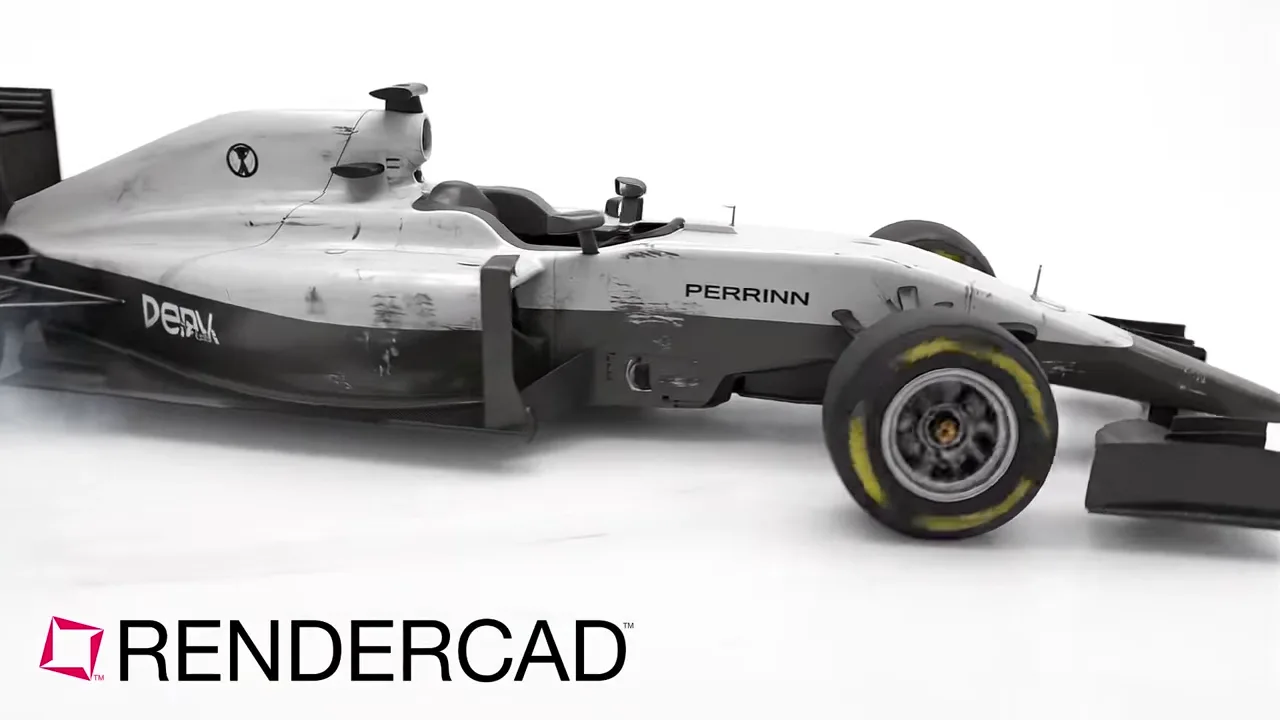
Explore art direction from Maya camera renders, V-Ray IPR previews, and Frame Buffer drafts.
Explore still-image art direction from V-Ray for Maya camera renders, IPR previews, and Frame Buffer drafts before committing to production rendering.


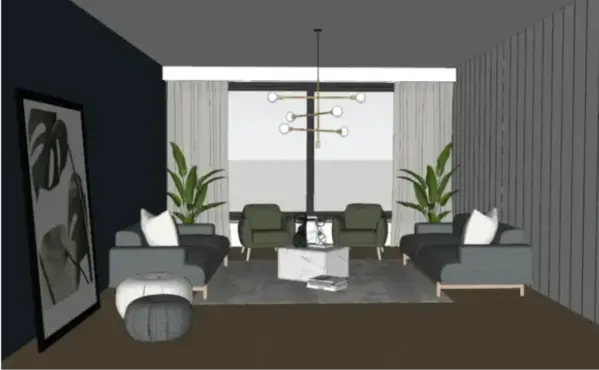
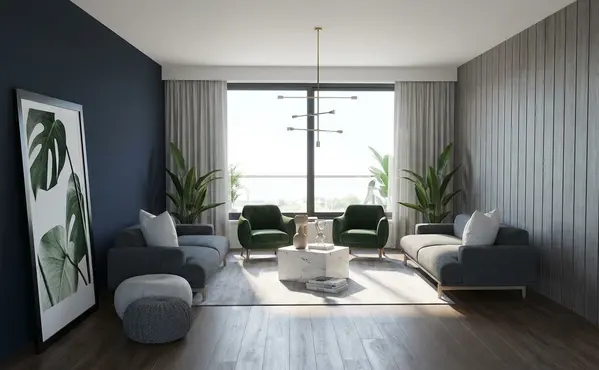


Explore still-image art direction from V-Ray for Maya camera renders, IPR previews, and Frame Buffer drafts before committing to production rendering.
V-Ray for Maya is a production renderer for Maya scenes that combine cameras, V-Ray materials, lighting, geometry, volumes, and render elements. It is used across look development for characters, props, product assets, and environments, where a camera-framed beauty render or V-Ray IPR preview gives the team a concrete image to discuss. RENDERCAD can sit before final rendering as a still-image art-direction step. Start from a readable Maya camera render, V-Ray Frame Buffer draft, IPR region, clay image, or low-sample beauty render and explore alternate lighting mood, location context, set dressing, palette, or finish while retaining the intended subject and camera relationship. This helps compare visual directions for a hero asset, environment keyframe, pitch image, or presentation board without treating the concept image as a replacement for the scene. Use the chosen direction to guide lighting, shader, environment, and compositing decisions back in Maya and V-Ray.
Choose the Maya camera and frame that should remain consistent, then produce a clean IPR preview or V-Ray Frame Buffer draft with the silhouette, material intent, practical lights, and visible background context intact. A clay or low-sample beauty render can be useful when the discussion is mainly about composition and lighting rather than final texture detail. In RENDERCAD, test a small set of deliberate still-image directions, such as overcast versus hard-sun lighting, a studio sweep versus a contextual setting, or a restrained versus stylized surface treatment. Keep the approved reference beside the Maya scene and translate its useful decisions into V-Ray lights, materials, environment settings, and, where needed, render elements for compositing. RENDERCAD does not preserve Maya node networks, animation, render-element data, or physically validated shading; Maya and V-Ray remain the source of truth for final frames, pass output, and production delivery. For implementation details of RENDERCAD workflows, see RENDERCAD developer documentation.
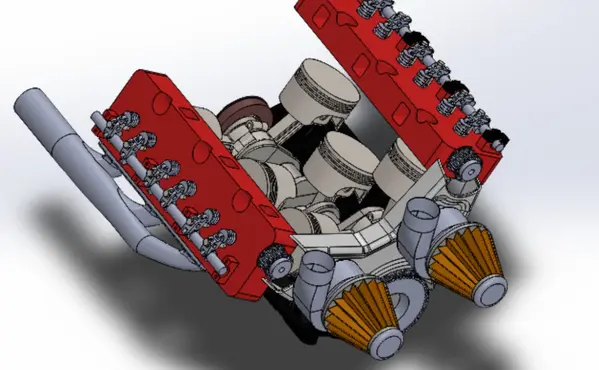
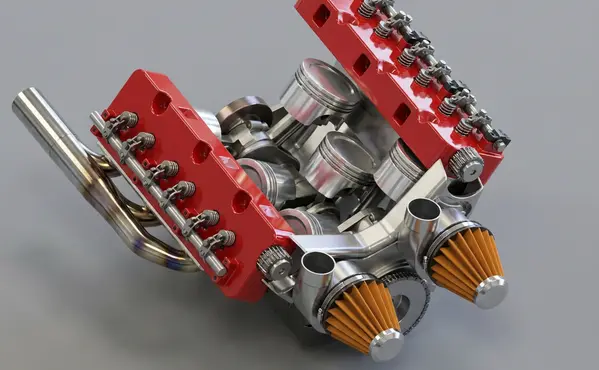
Modeled by CADSharp in Onshape. Rendered with RENDERCAD.
Add | Change | or Remove referenced objects with the stroke of a brush.
RENDERCAD uses a maintained selection of image-generation models for different rendering tasks. Results can vary by model and input, so compare generated output with the source design before relying on geometry, materials, or dimensions.
| Feature | RENDERCAD | V-Ray for Maya |
|---|---|---|
| Engine | Generative AI | V-Ray and V-Ray GPU rendering integrated with Autodesk Maya |
| Output | Images + Video | Still images, animation frames, and render elements for compositing and post-production |
| Resolution | HD / 4K | Set by Maya and V-Ray render settings; constrained by scene complexity, memory, and render hardware |
| Image Speed | Image renders complete in 60 seconds. | Scene, samples, lighting, volumes, displacement, resolution, and hardware dependent |
| Video Speed | Videos complete in 2-5 minutes. | Animation is rendered frame by frame; render duration depends on scene settings and available rendering resources |
| Scene Set Up | No separate local scene | Maya scene with V-Ray selected, V-Ray materials and lights, cameras, render settings, and optional render elements configured |
| Input | Screen Snip | Maya scene data rendered through the V-Ray integration, including interactive and production rendering workflows |
| Hardware | Cloud GPU | Desktop Maya workflow on supported Windows, Linux, and macOS configurations |
| Install | None | V-Ray for Maya installation and a valid Chaos license are required; compatibility varies by Maya, operating system, and V-Ray version |
| Cost | from $9/mo | Chaos license options and terms vary by account type, region, and intended use |
Read the numbers. We trust you to know theirs.
Skip a separate local scene build. Pick a condition, material, and background while RENDERCAD handles the image-generation step. Image renders complete in 60 seconds.
 ™
RENDERCAD™
™
RENDERCAD™
Use the browser workflow directly, capture a selected view with the desktop app, or start from the browser extension.
Get StartedCommon solutions for V-Ray for Maya users
Describe chrome or a silver mirror finish and choose an environment that provides useful reflections. Inspect the output for artifacts and unintended reflected details.
Choose a suitable background and describe a reflective floor. Inspect the generated reflection for alignment, product fidelity, and unintended details.
Choose the Orbit camera preset in the Video panel. Review the generated clip because viewpoint changes and product details can vary from a single-image input.
If the source viewport is visible but a local renderer fails, capture a clear screenshot and use it as a RENDERCAD input. Image renders complete in 60 seconds.
Yes. Upload a photo of a foam model and prompt "Finished plastic product" to visualize the final look.
Use a high-resolution, clear input and Exact style, but expect generated text to drift. Add critical labels in a graphics editor after generation rather than relying on AI text fidelity.
Image renders complete in 60 seconds.
Generation runs on cloud infrastructure, so a local rendering GPU is not required. The device still needs sufficient resources for the source application, browser, and network connection.
Context prompts can provide a visual scale cue, but the source model and known dimensions remain authoritative. Do not infer measurements from generated imagery.
RENDERCAD starts from a 2D image and uses generated material and environment direction. Built-in renderers may provide direct scene, geometry, lighting, and material control.
Provide a material reference or describe the intended scale, then compare the result with known dimensions and the source model.
A photo of an actual sample or color chip can guide the palette. Verify final color in a color-managed workflow rather than treating generated output as a color match.