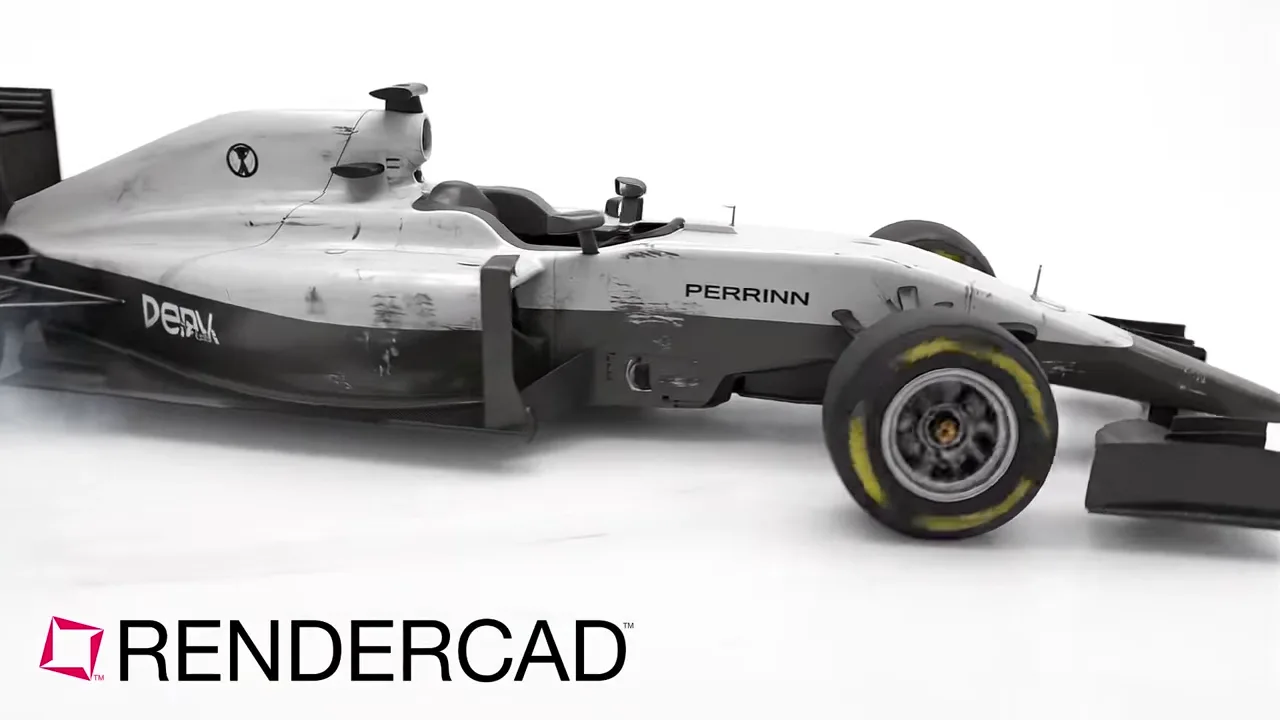
Polished stills from legacy Softimage XSI camera and viewport views.
Softimage, also known as Softimage XSI, is discontinued 3D animation and visual effects software. Its documented toolset covers modeling, texturing, animation, cameras, rendering, and ICE, the node-based environment used for procedural modeling, particles, deformations, and related effects. Legacy scenes can still hold valuable character poses, asset turntable angles, simulation frames, and shot compositions that need a presentable still without changing the original XSI setup.


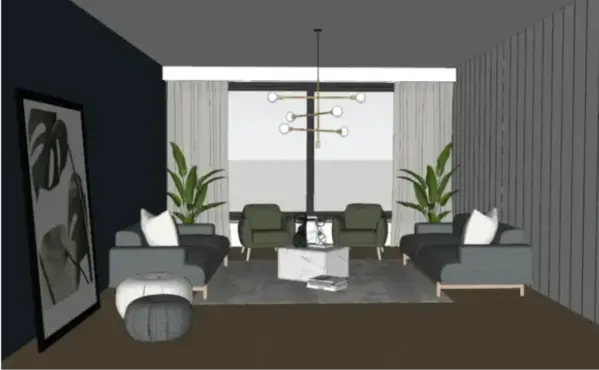
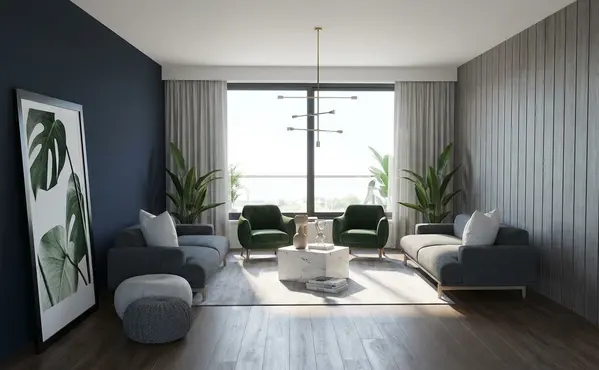


Softimage, also known as Softimage XSI, is discontinued 3D animation and visual effects software. Its documented toolset covers modeling, texturing, animation, cameras, rendering, and ICE, the node-based environment used for procedural modeling, particles, deformations, and related effects. Legacy scenes can still hold valuable character poses, asset turntable angles, simulation frames, and shot compositions that need a presentable still without changing the original XSI setup.
Softimage artists, studios, and archivists can use RENDERCAD when an existing XSI scene already communicates the important visual decision but needs a more polished presentation image. A selected camera view is useful for a rigged character in a pose, a modeled prop or environment, a particle or deformation frame produced in ICE, or a blocked animation shot. Preserve the camera angle, crop, silhouette, and visible action in Softimage, then use RENDERCAD to explore a clearer lighting treatment, readable materials, and a setting that suits a portfolio refresh, internal review, pitch deck, or archive. This is a still-image presentation workflow, not a replacement for Softimage scene evaluation: retain the original XSI scene, render settings, simulation cache, and animation data as the source of truth.
In Softimage, open the scene and choose a camera or viewport that makes the asset, character pose, or ICE-driven effect easy to read. Set the intended frame, hide distracting guides or helpers where practical, and capture a clean viewport image or render preview with the useful geometry and composition visible. Upload that reference to RENDERCAD with a concise description of the desired finish, lighting direction, material character, and background. Compare the resulting still with the Softimage view to ensure the shot intent and key details remain recognizable. Use the image for visual communication, while keeping Softimage and its original scene data authoritative for animation timing, simulation behavior, geometry, and production rendering decisions.
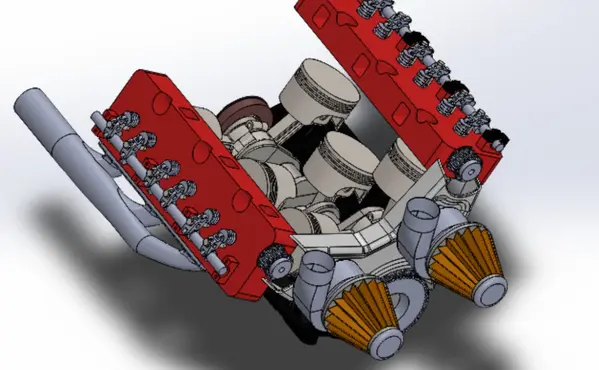
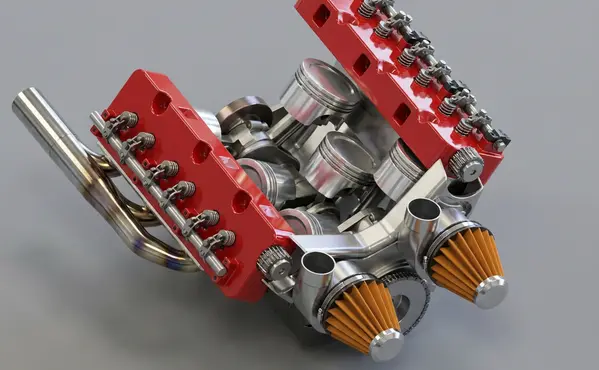
Modeled by CADSharp in Onshape. Rendered with RENDERCAD.
Add | Change | or Remove referenced objects with the stroke of a brush.
RENDERCAD uses a maintained selection of image-generation models for different rendering tasks. Results can vary by model and input, so compare generated output with the source design before relying on geometry, materials, or dimensions.
| Feature | RENDERCAD | Competitor |
|---|---|---|
| Engine | Generative AI | Varies by tool |
| Output | Images + Video | Varies by tool |
| Resolution | HD / 4K | Varies by workflow |
| Image Speed | Image renders complete in 60 seconds. | Varies by scene/tool |
| Video Speed | Videos complete in 2-5 minutes. | Varies by workflow |
| Scene Set Up | No separate local scene | Varies by workflow |
| Input | Screen Snip | Varies by tool |
| Hardware | Cloud GPU | Often local GPU/CPU |
| Install | None | Varies (web or app) |
| Cost | from $9/mo | Varies widely |
Read the numbers. We trust you to know theirs.
Skip a separate local scene build. Pick a condition, material, and background while RENDERCAD handles the image-generation step. Image renders complete in 60 seconds.
 ™
RENDERCAD™
™
RENDERCAD™
Use the browser workflow directly, capture a selected view with the desktop app, or start from the browser extension.
Get StartedCommon solutions for Softimage users
Yes. Upload a photo of a foam model and prompt "Finished plastic product" to visualize the final look.
Describe cinematic depth of field and the intended focus area. Check that important product details remain sharp after generation.
Image renders complete in 60 seconds.
Generation runs on cloud infrastructure, so a local rendering GPU is not required. The device still needs sufficient resources for the source application, browser, and network connection.
Context prompts can provide a visual scale cue, but the source model and known dimensions remain authoritative. Do not infer measurements from generated imagery.
RENDERCAD starts from a 2D image and uses generated material and environment direction. Built-in renderers may provide direct scene, geometry, lighting, and material control.
Provide a material reference or describe the intended scale, then compare the result with known dimensions and the source model.
Yes. You can add up to six authorized reference images per render and provide instructions or masks for targeted direction.
Select the glass or transparent components with a mask. Apply glass-specific prompts to the masked area while treating opaque parts differently.
Photograph an authorized prototype or sample and use it as a material reference. Verify color, texture scale, gloss, and product fidelity because generated output will not match reality exactly.
Describe the intended powder-coat color, gloss, and surface texture. Treat the generated finish as a visual direction and verify any production specification separately.
Upload a CAD screenshot, real photo, or hand drawing and describe warm golden-hour light and the intended direction. Review the generated color and shadows because the interpretation can vary.