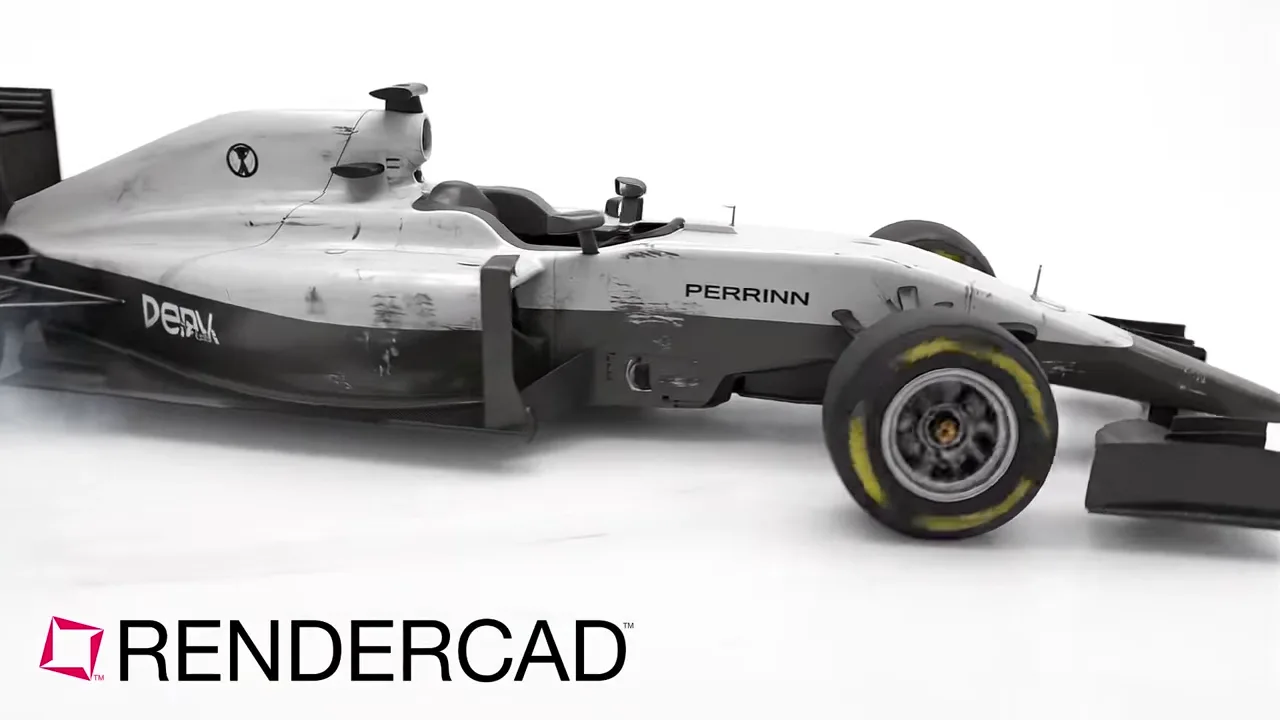
AI concept visuals from SketchUp for Schools classroom model views.
Browser-based SketchUp modeling for primary and secondary classes creating 3D classrooms, buildings, playgrounds, maps, objects, and story scenes.


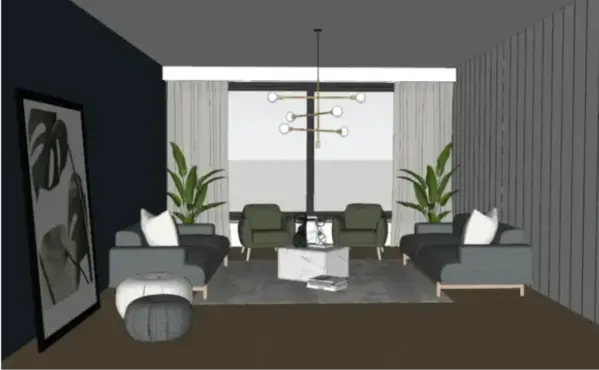
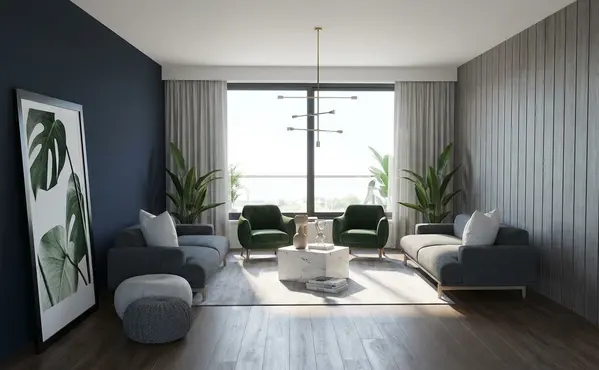


Browser-based SketchUp modeling for primary and secondary classes creating 3D classrooms, buildings, playgrounds, maps, objects, and story scenes.
SketchUp for Schools is a browser-based 3D modeler for primary and secondary classrooms that use Google for Education or Microsoft Education. Its curriculum and project types suit visual assignments such as a redesigned classroom, a cabin, a playground, a local landmark map, a science model, or a scene from a story. Students can model scale, form, components, and basic materials in the editable SketchUp file, then choose one view that clearly explains the design decision. A RENDERCAD image workflow can develop that clean viewport into a more persuasive concept visual for a critique, exhibition board, or portfolio: for example, testing daylight on a classroom layout, materials on a play structure, or a believable setting around a map landmark. It is useful when pupils work on shared web devices and need a visual outcome without adding a separate desktop rendering setup. The generated image should support the presentation, not replace the assignment evidence. Dimensions, construction accuracy, labels, and final design changes remain the source of truth in the SketchUp for Schools model.
Open the saved model from Google Drive, OneDrive, or the school device and prepare a single presentation view rather than a modeling screenshot. Set a useful perspective or elevation, show only the geometry needed for the task, and hide guides, dimensions, selection outlines, and temporary construction work. Use the built-in materials, shadows, and visible components to establish the intended design before capturing a clean viewport image. In RENDERCAD, state the assignment purpose and visual direction, such as a daylight study for a classroom, durable materials for a playground, or an illustrative context for a geography model. Generate a small set of concept variations, then select one that still preserves the student's recognizable massing and layout. Put the chosen image beside the original model view in a critique or board so viewers can distinguish design intent from the editable model. Return to SketchUp for Schools for every measured, structural, or teacher-reviewed change.
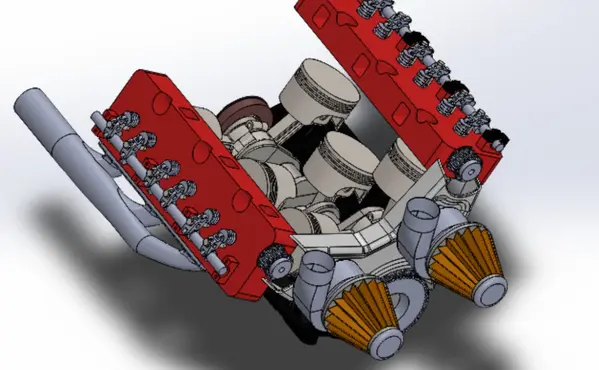
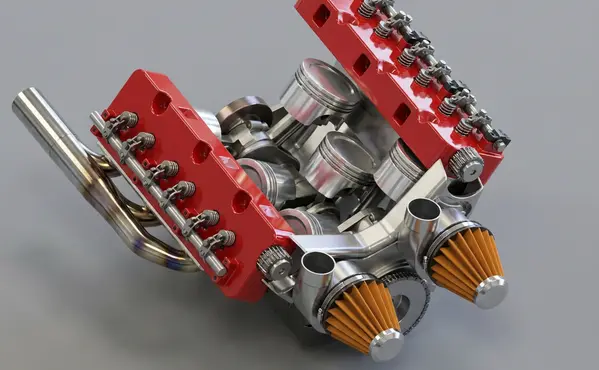
Modeled by CADSharp in Onshape. Rendered with RENDERCAD.
Add | Change | or Remove referenced objects with the stroke of a brush.
RENDERCAD uses a maintained selection of image-generation models for different rendering tasks. Results can vary by model and input, so compare generated output with the source design before relying on geometry, materials, or dimensions.
| Feature | RENDERCAD | SketchUp for Schools native viewport and export |
|---|---|---|
| Engine | Generative AI | Browser-based SketchUp modeling with drawing tools, components, materials, viewport styles, shadows, and model import or export |
| Output | Images + Video | Interactive model views, saved cloud models, downloaded model files, and exported model formats |
| Resolution | HD / 4K | Viewport and export quality depend on view framing, browser, model complexity, and school device capabilities |
| Image Speed | Image renders complete in 60 seconds. | Viewport response varies with model complexity, browser, and available device resources |
| Video Speed | Videos complete in 2-5 minutes. | The browser workspace is centered on interactive model viewing rather than a dedicated video-rendering workflow |
| Scene Set Up | No separate local scene | Students and teachers control camera position, visible geometry, components, styles, materials, and shadows in the browser workspace |
| Input | Screen Snip | SketchUp for Schools model, imported model, component, image, or captured viewport |
| Hardware | Cloud GPU | Browser-based 3D modeling for eligible primary and secondary schools using Google or Microsoft education accounts |
| Install | None | Browser access managed by a school through Google for Education or Microsoft Education |
| Cost | from $9/mo | Available for eligible primary and secondary school use through supported education account setup |
Read the numbers. We trust you to know theirs.
Skip a separate local scene build. Pick a condition, material, and background while RENDERCAD handles the image-generation step. Image renders complete in 60 seconds.
 ™
RENDERCAD™
™
RENDERCAD™
Use the browser workflow directly, capture a selected view with the desktop app, or start from the browser extension.
Get StartedCommon solutions for SketchUp for Schools users
When a client provides an image they are authorized to use, attach it with a concise instruction describing the relevant lighting, material, palette, or composition. Review the generated interpretation with the client.
Upload a clear image, describe denim, cotton, velvet, or another fabric, and add a material reference when available. Check the generated weave scale and direction against the intended product.
Choose the Dusty condition and describe the intended atmosphere. Generated dust is illustrative, so review how it affects important product details.
RENDERCAD videos are generated at 720p.
Use the RENDERCAD Overlay to capture a clear viewport without rebuilding a separate render scene. Image renders complete in 60 seconds.
Yes. A current desktop capture app and browser extension are available, and the browser upload workflow remains available without either tool.
Use Freeform style and prompt "Pencil Sketch" or "Blueprint" to turn your image into an illustration.
Generation runs on cloud infrastructure, so a local rendering GPU is not required. The laptop still needs a supported browser, network access, and enough resources for the source application and image upload.
The core workflow is available in a supported browser and accepts a selected 2D image, so it does not require a rendering plugin in the source application.
The model can reinterpret curves and surface transitions from the 2D input. Compare the result with the source because edges and geometry can drift.
It accepts a clear viewport screenshot, so a separate local material, light, and camera scene is not required for the image-generation workflow.
It lets you describe motion, steam, lighting changes, or atmosphere for a generated clip. Added details may not exist in the source model.