Develop Rebelle painted studies into presentation-ready render-style visuals.
Natural-media digital painting software for watercolor, oils, acrylics, inks, pencils, pastels, and other wet and dry media studies




Natural-media digital painting software for watercolor, oils, acrylics, inks, pencils, pastels, and other wet and dry media studies
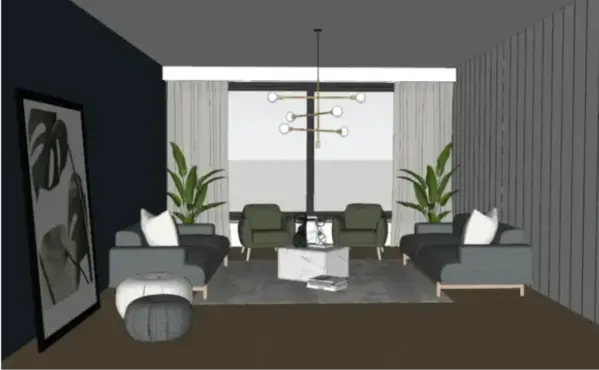
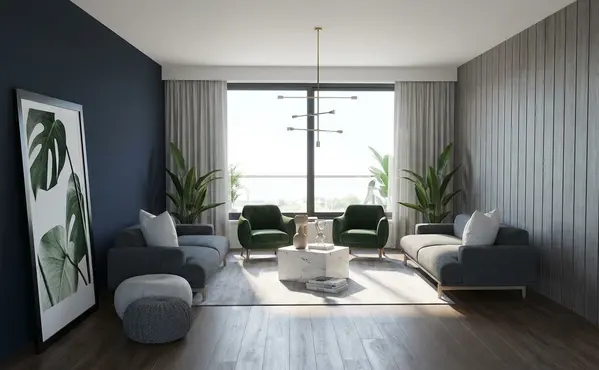
Rebelle is a strong starting point for design studies in which the medium itself carries the idea: watercolor washes can establish atmosphere, pigment mixing can guide a color script, and oils or acrylics can suggest surface weight. Artists and designers can use its papers, canvases, layers, reference images, perspective tools, and natural-media brush behavior to paint an early product concept, package illustration, interior view, prop, or environment without first building a 3D scene. A finished canvas can then serve as visual direction for RENDERCAD when a review, pitch, portfolio, or marketing exploration calls for a more resolved render-style image. The useful input is a clean, full-frame view with an intentional focal point, readable silhouette, perspective, palette, and any material cues that must survive the interpretation. RENDERCAD can help explore lighting, spatial depth, and material separation while preserving the painting's composition and mood. It is not a replacement for Rebelle's editable layers, brush marks, paper interaction, or final illustration decisions; keep Rebelle as the source of truth whenever the artwork itself needs revision.
In Rebelle, develop the visible composition before export: settle the camera-like viewpoint with its perspective and guide tools, paint the main light and shadow pattern, and make the subject silhouette and key surfaces legible. Choose the paper or canvas character deliberately, since it may be important visual direction, but remove reference images, guides, annotations, and interface elements from the export. Flatten a clean PNG, JPG, TIFF, or other image export at a useful review size while retaining the layered Rebelle file for art direction. Upload the clean view to RENDERCAD and state what must remain fixed, such as framing, subject shape, palette, watercolor softness, impasto-like texture, or the intended product material. Ask for one focused presentation direction, then compare the result against the painting. If lighting or proportions drift, revise the Rebelle study or make a clearer export rather than treating the result as an accurate model render.
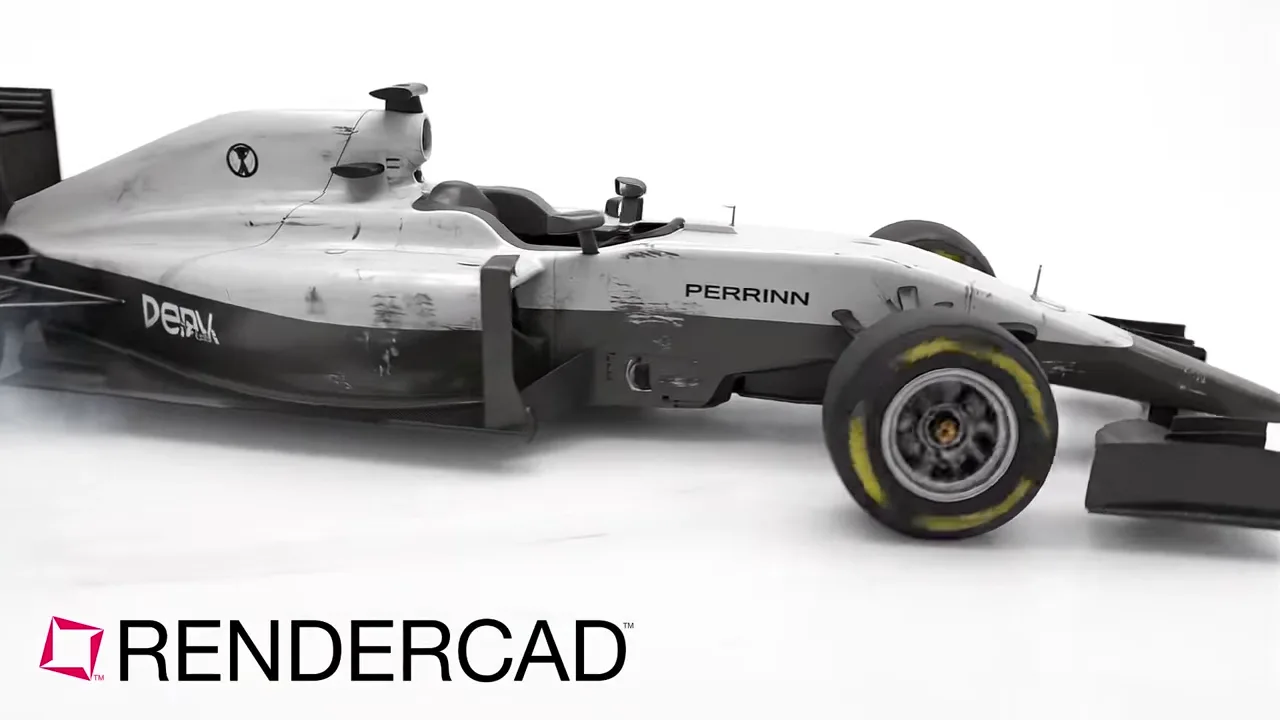
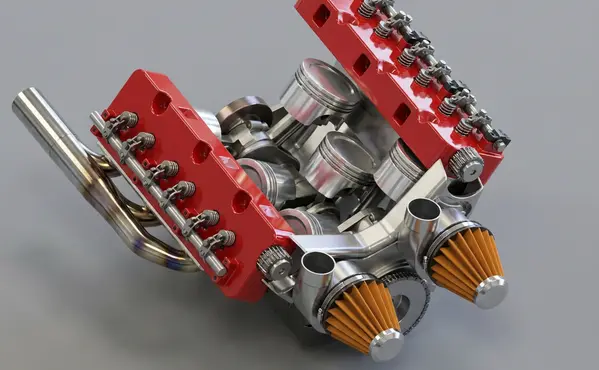
Modeled by CADSharp in Onshape. Rendered with RENDERCAD.
Add | Change | or Remove referenced objects with the stroke of a brush.
RENDERCAD uses a maintained selection of image-generation models for different rendering tasks. Results can vary by model and input, so compare generated output with the source design before relying on geometry, materials, or dimensions.
| Feature | RENDERCAD | Competitor |
|---|---|---|
| Engine | Generative AI | Varies by tool |
| Output | Images + Video | Varies by tool |
| Resolution | HD / 4K | Varies by workflow |
| Image Speed | Image renders complete in 60 seconds. | Varies by scene/tool |
| Video Speed | Videos complete in 2-5 minutes. | Varies by workflow |
| Scene Set Up | No separate local scene | Varies by workflow |
| Input | Screen Snip | Varies by tool |
| Hardware | Cloud GPU | Often local GPU/CPU |
| Install | None | Varies (web or app) |
| Cost | from $9/mo | Varies widely |
Read the numbers. We trust you to know theirs.
Skip a separate local scene build. Pick a condition, material, and background while RENDERCAD handles the image-generation step. Image renders complete in 60 seconds.
 ™
RENDERCAD™
™
RENDERCAD™
Use the browser workflow directly, capture a selected view with the desktop app, or start from the browser extension.
Get StartedCommon solutions for Rebelle users
Reuse the same source image with authorized daytime and night lighting references or instructions. Compare both outputs with the source because lighting changes can also alter generated details.
Capture a clear view, select the Realistic engine, choose the Factory New condition, and describe brushed aluminum. A material reference can guide grain direction, but review the generated surface against the source design.
Add phrases like "Light from left," "Backlit," or "Top down lighting" to your custom prompt in RENDERCAD.
Yes, use the "Details" field in the video tab to describe elements like "Steam rising" or "Lights flickering."
Submit a clear viewport screenshot to the web workflow instead of running a local scene render. The generation request runs in the cloud while your source application remains separate.
Open the current desktop app or browser extension, select the viewport region, and send the captured image into the screenshot-based workflow. Availability and device requirements are documented on the current download pages.
Use Freeform style and prompt "Pencil Sketch" or "Blueprint" to turn your image into an illustration.
It supports fast visual feedback from a clear viewport capture. Image renders complete in 60 seconds.
The current desktop app or browser extension can capture a selected viewport region and send that screenshot into the image workflow. The web upload path remains available without a CAD plugin.
Choose a background or describe the intended environment and lighting. Generated reflections and illumination are visual interpretations, not a scene-based light simulation.
4K is an optional output-resolution step. It increases pixel dimensions but does not restore missing source detail or guarantee print suitability.
It guides the video toward a looping transition. Review continuity after export because the first and last frames may still need editing.