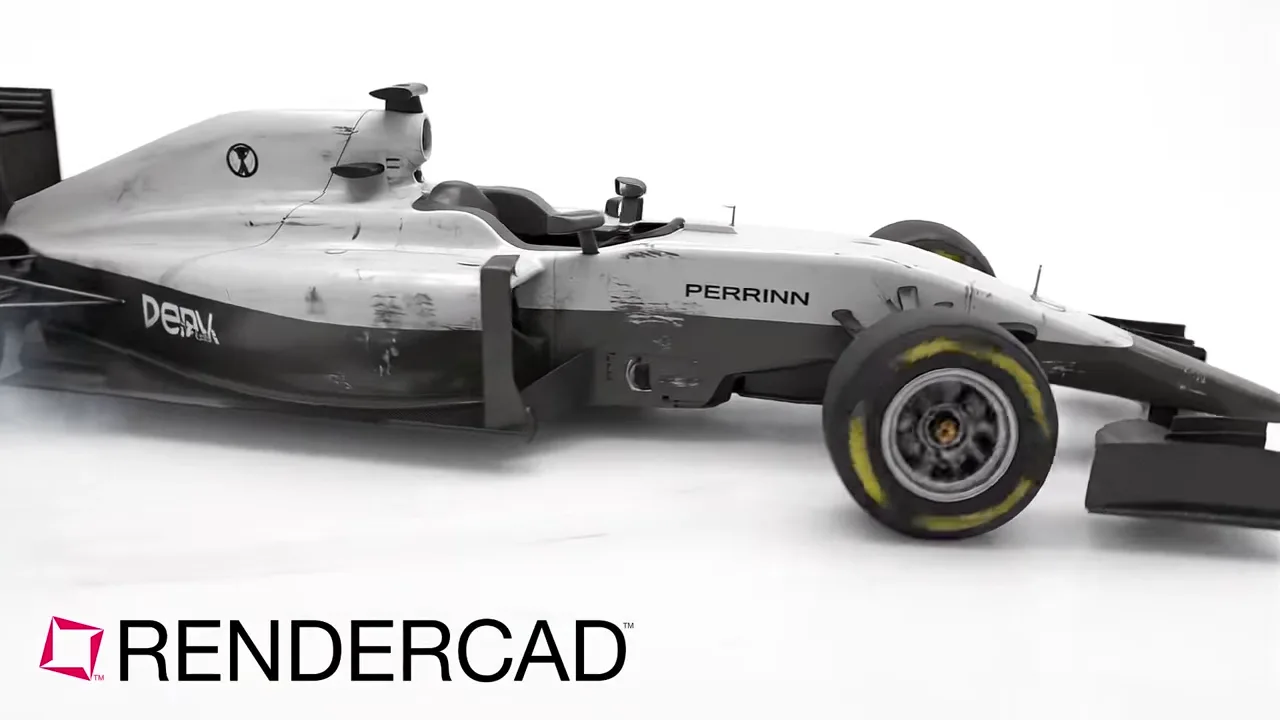
Refine Realtime Landscaping Plus views into polished landscape visuals.
Refine Realtime Landscaping Plus Perspective, Walkthrough, and photo-design views into clear landscape presentation images.


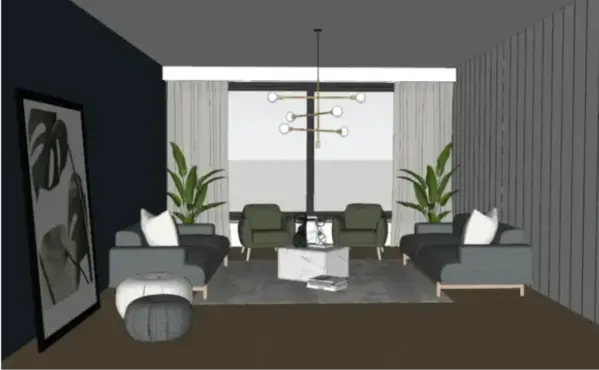
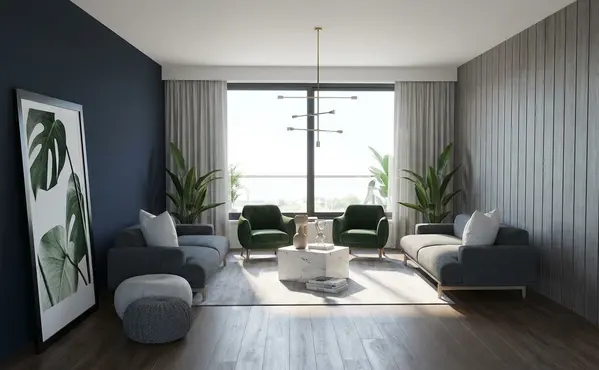


Refine Realtime Landscaping Plus Perspective, Walkthrough, and photo-design views into clear landscape presentation images.
Realtime Landscaping Plus is used to visualize residential outdoor spaces in 3D or to develop a concept directly over a property photograph. A project can bring together the house, terrain, planting beds, paths, patios, decks, fences, edging, and lighting before a homeowner or client reviews the idea. RENDERCAD is most useful after that composition is established: refine a carefully framed Perspective view, a Realtime Walkthrough screenshot, or a photo-design image into a more polished still for a concept board, proposal, or design comparison. Choose a view that makes one decision easy to understand, such as how a patio meets planting, how a front entry gains curb appeal, or what the garden feels like from a seating area. The refined image can explore an intended daylight, evening, seasonal, or material character while preserving the essential layout already shown in Plus. It is a presentation layer, not a substitute for the Realtime Landscaping Plus project, site measurements, planting decisions, quantities, or construction documentation.
Build and check the decision-critical site elements in Realtime Landscaping Plus first, using the Plan and Perspective views to keep hardscape edges, planting areas, structures, and circulation coherent. Then frame the client-facing angle in Perspective, or enter Realtime Walkthrough to find an eye-level view from the driveway, path, patio, or garden seating area; the walkthrough can save a screenshot through its export dialog. For a faster photo-based concept, begin in Realtime Landscaping Photo with a clean property image where the house, grade, and boundaries are legible. Send one selected image to RENDERCAD with a focused brief, such as mature but believable planting, a restrained paving finish, warm evening lighting, or a welcoming front-garden atmosphere. Avoid asking the refinement to invent site geometry that the source does not show. Compare the result with the Plus design before sharing it, checking that key paths, patio limits, planting zones, fences, and structures still match the approved concept. Use the polished still to support discussion, then make layout changes and document decisions back in Realtime Landscaping Plus.
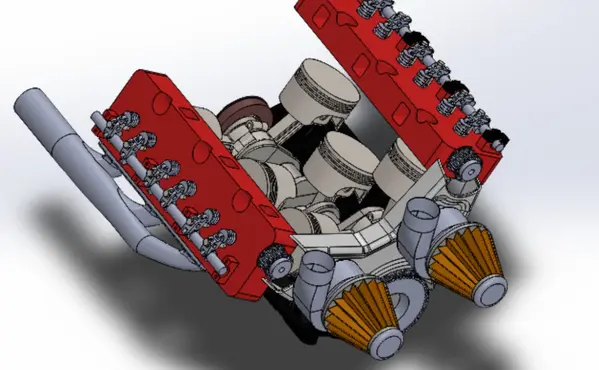
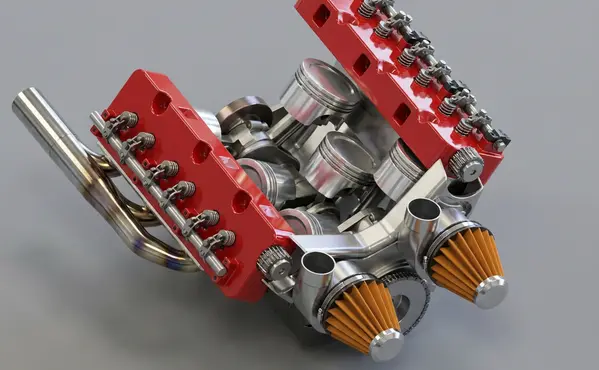
Modeled by CADSharp in Onshape. Rendered with RENDERCAD.
Add | Change | or Remove referenced objects with the stroke of a brush.
RENDERCAD uses a maintained selection of image-generation models for different rendering tasks. Results can vary by model and input, so compare generated output with the source design before relying on geometry, materials, or dimensions.
| Feature | RENDERCAD | Competitor |
|---|---|---|
| Engine | Generative AI | Varies by tool |
| Output | Images + Video | Varies by tool |
| Resolution | HD / 4K | Varies by workflow |
| Image Speed | Image renders complete in 60 seconds. | Varies by scene/tool |
| Video Speed | Videos complete in 2-5 minutes. | Varies by workflow |
| Scene Set Up | No separate local scene | Varies by workflow |
| Input | Screen Snip | Varies by tool |
| Hardware | Cloud GPU | Often local GPU/CPU |
| Install | None | Varies (web or app) |
| Cost | from $9/mo | Varies widely |
Read the numbers. We trust you to know theirs.
Skip a separate local scene build. Pick a condition, material, and background while RENDERCAD handles the image-generation step. Image renders complete in 60 seconds.
 ™
RENDERCAD™
™
RENDERCAD™
Use the browser workflow directly, capture a selected view with the desktop app, or start from the browser extension.
Get StartedCommon solutions for Realtime Landscaping Plus users
No local NVIDIA rendering GPU is required. Use a supported browser to upload an image or a current capture tool to select a screenshot; generation runs on cloud infrastructure.
The Render History page lets you browse and download retained images and videos. Storage duration depends on the account plan, so download assets you need before they expire.
RENDERCAD is standalone. You don't need a Realtime Landscaping Plus rendering license - just the ability to view your model on screen.
The core workflow starts from a selected 2D view, so it does not require native CAD-file conversion or source-model upload.
Reuse a clear history image and change the color instruction or reference. Treat the results as visual options rather than color-managed proof.
Describe the finish, gloss, grain direction, and lighting, or provide an authorized material reference. Generated reflections are visual approximations rather than physically verified material behavior.
It uses generative image models with screenshot or image inputs. Models and features can change over time, so current product documentation is the source of truth.
Video jobs consume credits based on current duration and model settings. Check the pricing page for current costs rather than comparing with an assumed outsourcing price.
A relevant reference can communicate palette, material, lighting, or composition more directly than text alone. Add a concise instruction and review the result rather than assuming the reference will be followed exactly.
Mask individual components and assign color prompts or authorized references. Verify brand color in a color-managed workflow rather than relying on generated accuracy.
Yes. Save successful reference images in organized folders. Over time, you build a personal material and style library for consistent rendering.
Capture the model, describe the wood species and grain direction, and add an authorized material reference when needed. Generated grain varies and should be reviewed for scale and orientation.