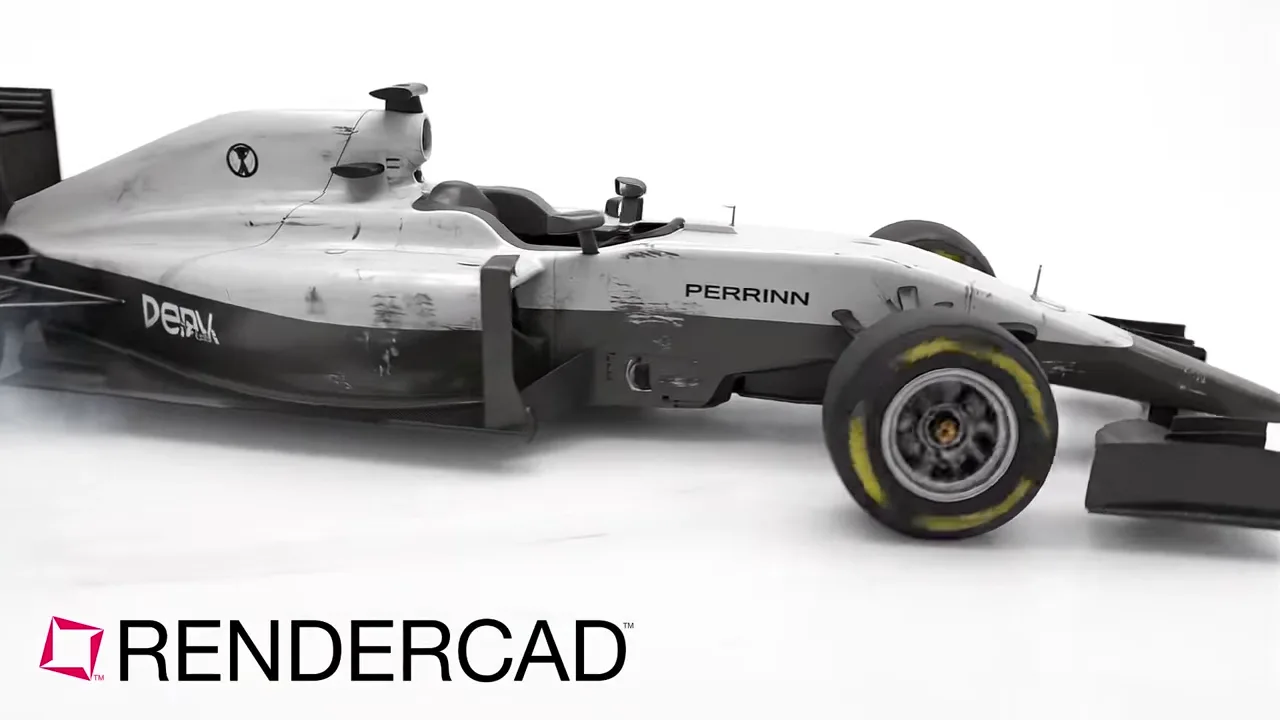
Presentation-ready visuals from PowerShape mold and tooling views.
Create clear presentation visuals from PowerShape mold, die, insert, sliding-core, and electrode design views. PowerShape combines surface, solid, and mesh modeling for complex manufacturing geometry, while its mold design tools support work such as core and cavity splitting, die insert creation, sliding cores, and mold-base assembly. RENDERCAD can help communicate the resulting form after the engineering view has been prepared.


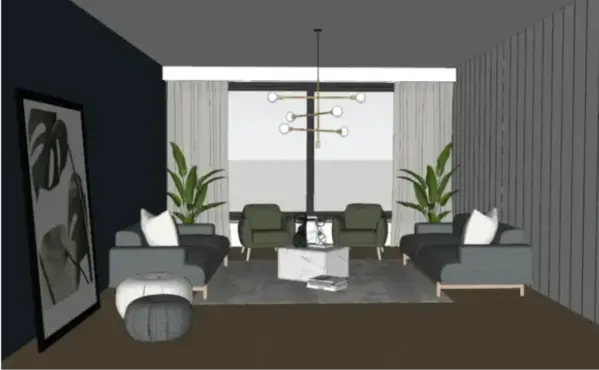

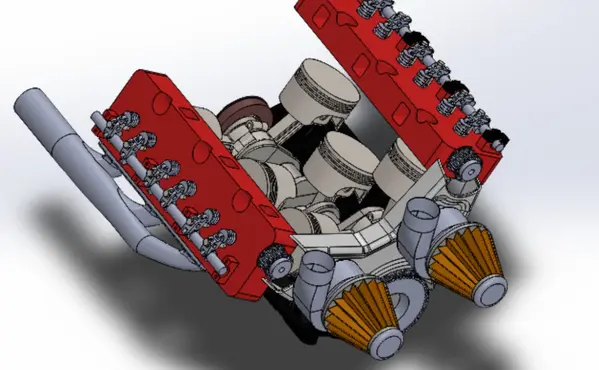
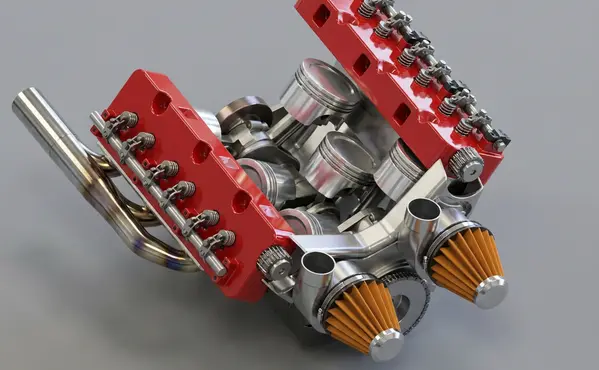


Create clear presentation visuals from PowerShape mold, die, insert, sliding-core, and electrode design views. PowerShape combines surface, solid, and mesh modeling for complex manufacturing geometry, while its mold design tools support work such as core and cavity splitting, die insert creation, sliding cores, and mold-base assembly. RENDERCAD can help communicate the resulting form after the engineering view has been prepared.
PowerShape Mold Design is a defensible fit when a moldmaker, tool designer, or sales team needs to explain finished tooling geometry visually. A useful input is a clean shaded PowerShape viewport of an assembled mold base, separated core and cavity halves, die insert, sliding core, or electrode. For an exploded or open-mold discussion, capture the view only after the intended plate positions and component visibility have been set in PowerShape. RENDERCAD can turn that selected view into a more polished presentation image for a design review, quotation package, capability presentation, or customer conversation. It is most useful for showing overall architecture, relative component placement, machined insert form, and an intended material appearance. It is not a substitute for checking parting surfaces, clearances, motion, dimensions, manufacturing feasibility, or tool operation; those remain decisions to verify in PowerShape and the wider engineering workflow.
First, finish the engineering state in PowerShape: isolate the core, cavity, insert, slider, electrode, or assembled tool that the audience needs to understand. Use a closed, open, or exploded arrangement appropriate to the story, and hide construction curves, dimensions, reference geometry, and CAM-only details that would distract from it. Frame the viewport so the parting relationship, shut-out region, moving element, plate stack, or key cavity surface is legible at a glance. Capture that view and use RENDERCAD to create a cleaner visual with presentation-oriented lighting, materials, and context. Keep the original PowerShape model and approved drawings as the source of truth, then use the resulting image in review decks, RFQ material, internal handoffs, or customer-facing tooling discussions.
Modeled by CADSharp in Onshape. Rendered with RENDERCAD.
Add | Change | or Remove referenced objects with the stroke of a brush.
RENDERCAD uses a maintained selection of image-generation models for different rendering tasks. Results can vary by model and input, so compare generated output with the source design before relying on geometry, materials, or dimensions.
| Feature | RENDERCAD | Competitor |
|---|---|---|
| Engine | Generative AI | Varies by tool |
| Output | Images + Video | Varies by tool |
| Resolution | HD / 4K | Varies by workflow |
| Image Speed | Image renders complete in 60 seconds. | Varies by scene/tool |
| Video Speed | Videos complete in 2-5 minutes. | Varies by workflow |
| Scene Set Up | No separate local scene | Varies by workflow |
| Input | Screen Snip | Varies by tool |
| Hardware | Cloud GPU | Often local GPU/CPU |
| Install | None | Varies (web or app) |
| Cost | from $9/mo | Varies widely |
Read the numbers. We trust you to know theirs.
Skip a separate local scene build. Pick a condition, material, and background while RENDERCAD handles the image-generation step. Image renders complete in 60 seconds.
 ™
RENDERCAD™
™
RENDERCAD™
Use the browser workflow directly, capture a selected view with the desktop app, or start from the browser extension.
Get StartedCommon solutions for PowerShape Mold Design users
RENDERCAD starts from a 2D image and uses generated material and environment direction. Built-in renderers may provide direct scene, geometry, lighting, and material control.
Provide a material reference or describe the intended scale, then compare the result with known dimensions and the source model.
Yes. A sketch can guide lighting direction, color zones, or composition. The generated interpretation may add or change details, so review it against the source.
Mask the visible label area and attach authorized artwork as a reference to guide the generated mockup. Verify spelling, shape, color, placement, and perspective; add exact production artwork afterward in a graphics or packaging-design tool.
Yes. Use authorized previous renders as style references, then review the new output because visual consistency can vary.
While RENDERCAD generates full rectangular images, you can set the Background to "White" or "Grey" in Advanced Settings for easy masking in post-production.
Upload a CAD screenshot, real photo, or hand drawing and describe warm golden-hour light and the intended direction. Review the generated color and shadows because the interpretation can vary.
Videos complete in 2-5 minutes.
Yes. RENDERCAD's Render Studio works on Safari or Chrome on Mac, allowing you to turn CAD screenshots, real photos, and hand drawings into pro renders easily.
Generating images or videos consumes credits. Your balance refreshes monthly based on your subscription plan.
Log into RENDERCAD Studio in a supported browser, upload a clear CAD screenshot or another supported 2D input, and generate an image for review.
RENDERCAD can place a clear viewport capture into a described lifestyle environment, such as a kitchen or office, and produce options for review.