Polished apparel presentation images from Optitex virtual samples.
Optitex Pattern Design combines 2D pattern development and grading with 3D virtual samples for apparel and technical textile work. Teams can review a garment's silhouette, fabric behavior, colorway, print placement, stitches, trims, and avatar presentation before committing to a physical sample. The most useful RENDERCAD input is a clean, approved Optitex 3D view that makes the intended garment angle and design details easy to read.


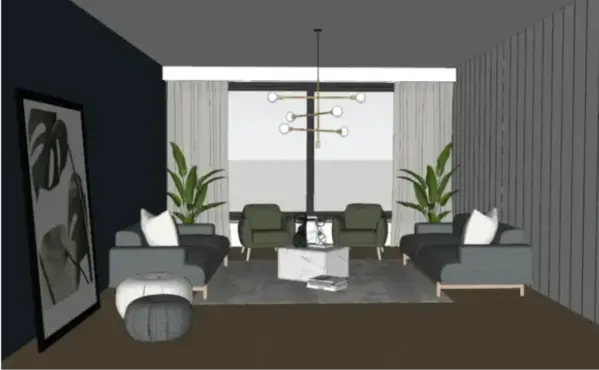
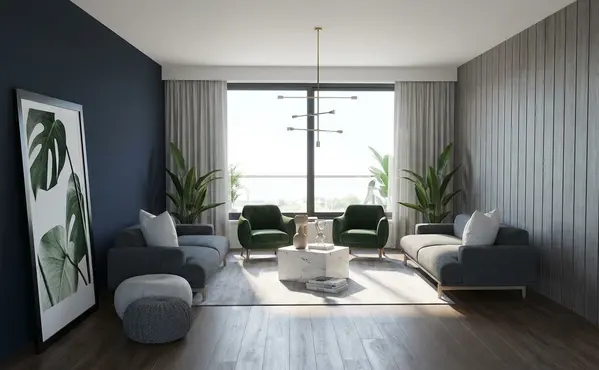


Optitex Pattern Design combines 2D pattern development and grading with 3D virtual samples for apparel and technical textile work. Teams can review a garment's silhouette, fabric behavior, colorway, print placement, stitches, trims, and avatar presentation before committing to a physical sample. The most useful RENDERCAD input is a clean, approved Optitex 3D view that makes the intended garment angle and design details easy to read.
Optitex Pattern Design is for patternmakers and apparel or technical-textile teams moving between production-minded 2D pieces and a draped 3D sample. Use its virtual sample to inspect the design context: the overall silhouette on an avatar, fabric appearance, seam and trim placement, colorways, or a placed print. Once that technical review is settled, RENDERCAD can use a captured front, back, detail, or three-quarter Optitex view as the starting point for a presentation-led image. This is useful when a buyer deck, line review, merchandising discussion, collection board, or product update needs a more deliberate lighting and background treatment than the working viewport. Keep the image anchored to the approved Optitex view so the garment remains recognizable. RENDERCAD is a visual communication step, not a substitute for pattern correction, grading, fit review, tension analysis, material validation, or production approval in Optitex.
Start in Optitex by finalizing the pattern pieces, selected size or grade, construction details, and the fabric and colorway needed for the review. Open the 3D virtual sample and choose one specific communication goal: show the full silhouette, a drape-sensitive area, seam and trim placement, a print location, or the garment on a chosen avatar. Check the view in Optitex first, since it remains the source of truth for the relationship between the 2D pattern and simulated garment. Capture a clean, uncluttered image with the relevant angle and details visible. In RENDERCAD, refine that approved view into a consistent presentation image with considered lighting, shadows, surface emphasis, and a background appropriate for the collection or audience. Use the final visual alongside the Optitex sample for line reviews, buyer conversations, merchandising material, or internal updates. Return to Optitex for any decision that changes the pattern, grade, fit, fabric behavior, print placement, or construction.
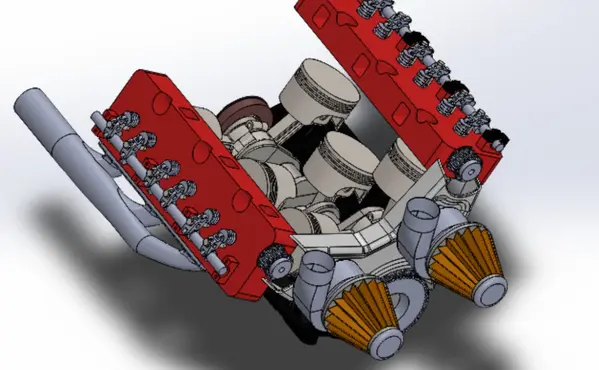
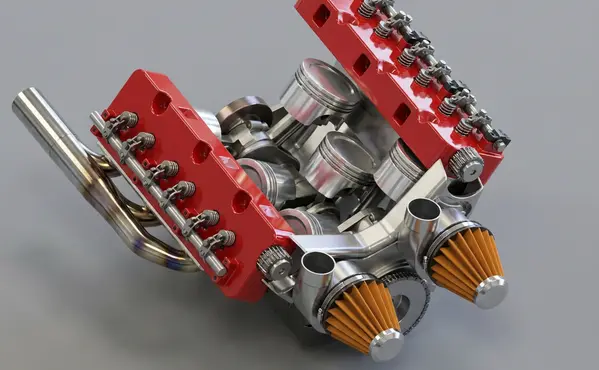
Modeled by CADSharp in Onshape. Rendered with RENDERCAD.
Add | Change | or Remove referenced objects with the stroke of a brush.
RENDERCAD uses a maintained selection of image-generation models for different rendering tasks. Results can vary by model and input, so compare generated output with the source design before relying on geometry, materials, or dimensions.
| Feature | RENDERCAD | Competitor |
|---|---|---|
| Engine | Generative AI | Varies by tool |
| Output | Images + Video | Varies by tool |
| Resolution | HD / 4K | Varies by workflow |
| Image Speed | Image renders complete in 60 seconds. | Varies by scene/tool |
| Video Speed | Videos complete in 2-5 minutes. | Varies by workflow |
| Scene Set Up | No separate local scene | Varies by workflow |
| Input | Screen Snip | Varies by tool |
| Hardware | Cloud GPU | Often local GPU/CPU |
| Install | None | Varies (web or app) |
| Cost | from $9/mo | Varies widely |
Read the numbers. We trust you to know theirs.
Skip a separate local scene build. Pick a condition, material, and background while RENDERCAD handles the image-generation step. Image renders complete in 60 seconds.
 ™
RENDERCAD™
™
RENDERCAD™
Use the browser workflow directly, capture a selected view with the desktop app, or start from the browser extension.
Get StartedCommon solutions for Optitex Pattern Design users
It uses generative image models with screenshot or image inputs. Models and features can change over time, so current product documentation is the source of truth.
Video jobs consume credits based on current duration and model settings. Check the pricing page for current costs rather than comparing with an assumed outsourcing price.
With the Realistic engine selected, use Add Instruction to attach an authorized material image and describe how it should guide the render. The reference guides the generated image; it does not modify the native Optitex Pattern Design model or guarantee a material match.
Image references and masks are applied during the initial image render. Once you have your styled image, use the Image-to-Video feature to animate it with camera movements.
Yes. Save successful reference images in organized folders. Over time, you build a personal material and style library for consistent rendering.
Upload a clear image, then choose a worn condition or describe rust and age in the prompt. Review the result because the generated wear pattern may not match real use or material behavior.
Add phrases like "Light from left," "Backlit," or "Top down lighting" to your custom prompt in RENDERCAD.
Choose the Seamless loop end-frame option to guide the clip toward a looping transition. Review the exported loop because continuity can vary by model and source image.
Submit a clear viewport screenshot to the web workflow instead of running a local scene render. The generation request runs in the cloud while your source application remains separate.
Open the current desktop app or browser extension, select the viewport region, and send the captured image into the screenshot-based workflow. Availability and device requirements are documented on the current download pages.
Log into RENDERCAD Studio in a supported browser, upload a clear CAD screenshot or another supported 2D input, and generate an image for review.
It supports fast visual feedback from a clear viewport capture. Image renders complete in 60 seconds.