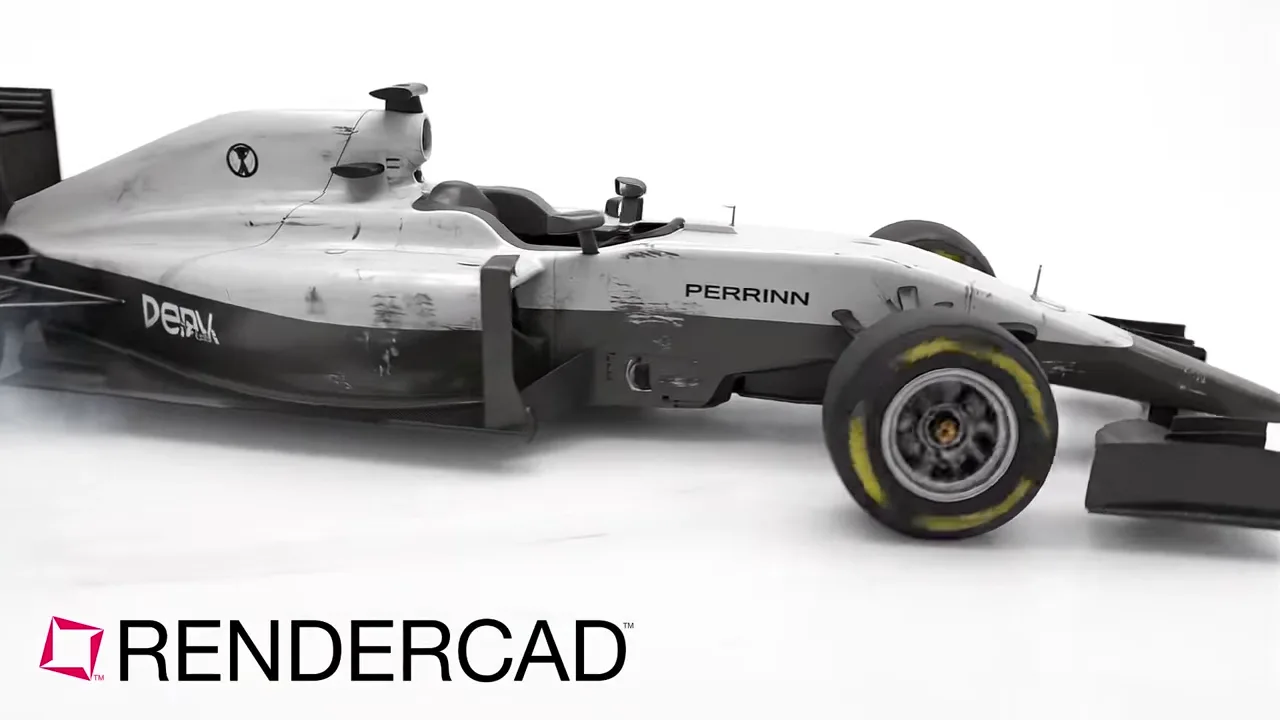
Explore product-image directions from a KeyShot real-time view before refining the source-controlled 3D scene.
Turn a KeyShot real-time view or clean CAD viewport into presentation-ready product-image directions before committing time to a detailed 3D scene.


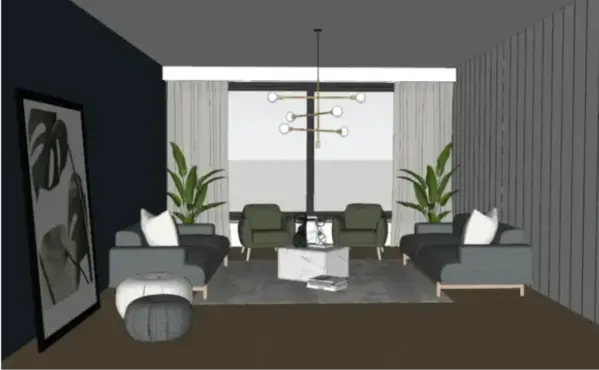
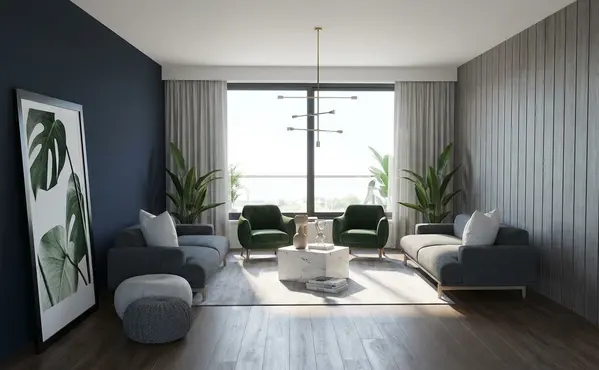
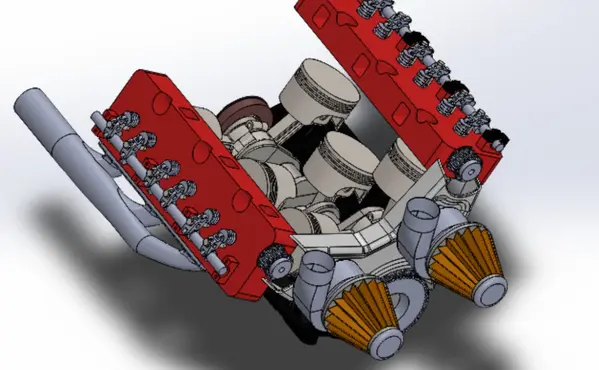


Turn a KeyShot real-time view or clean CAD viewport into presentation-ready product-image directions before committing time to a detailed 3D scene.
KeyShot Studio is a 3D product-visualization application used to bring CAD and other 3D models into a scene, assign materials, set an environment and lighting, position a camera, and create stills, animations, or interactive product visuals. Its real-time view is useful for evaluating a product's silhouette, proportions, key highlights, and broad material intent while the model develops. RENDERCAD is useful alongside that process when the team needs to explore how one already-selected KeyShot view could read as a studio image, a product-in-context concept, or a campaign direction without first building every scene element in 3D. Upload a clear KeyShot preview that keeps the product unobstructed, or a CAD viewport with a legible angle and visible design details. Use the generated directions for early CMF discussions, design reviews, presentation boards, launch planning, and art-direction conversations. Treat them as visual exploration, not as a replacement for the CAD model, manufacturing specification, or the controlled material, lighting, camera, and output work in KeyShot.
Start with a KeyShot real-time view that shows the approved product angle, or use a clean CAD viewport before the model has been imported. Keep the product large in frame and avoid overlays, selection outlines, and distracting UI. Upload the image to RENDERCAD with a concise direction such as a soft studio setup, a retail-ready hero image, or a context that supports the product story. Compare several directions for background, finish emphasis, and composition, then use the preferred route as an art-direction reference. Return to KeyShot for source-controlled geometry, accurate materials, lighting, camera matching, animation, render passes, and final production output. Consult the RENDERCAD developer documentation if you are integrating this workflow into an internal process.
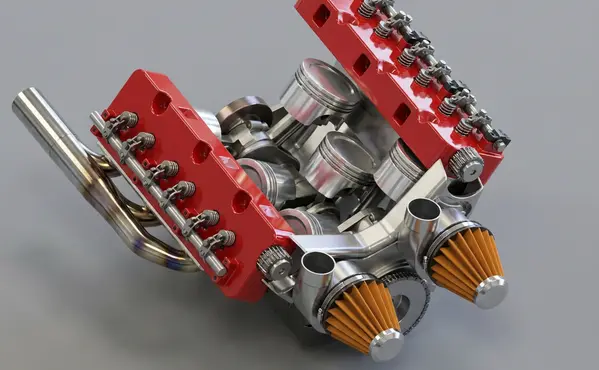
Modeled by CADSharp in Onshape. Rendered with RENDERCAD.
Add | Change | or Remove referenced objects with the stroke of a brush.
RENDERCAD uses a maintained selection of image-generation models for different rendering tasks. Results can vary by model and input, so compare generated output with the source design before relying on geometry, materials, or dimensions.
| Feature | RENDERCAD | KeyShot Studio |
|---|---|---|
| Engine | Generative AI | Physically based real-time ray tracing and global illumination |
| Output | Images + Video | Product stills, animations, and interactive visuals |
| Resolution | HD / 4K | Configurable still and animation output |
| Image Speed | Image renders complete in 60 seconds. | Scene, output settings, and available hardware dependent; previews update in real time |
| Video Speed | Videos complete in 2-5 minutes. | Hardware, scene complexity, frame count, and output settings dependent |
| Scene Set Up | No separate local scene | Import or synchronize the model, assign materials, set lighting and camera, then render |
| Input | Screen Snip | CAD and 3D file import, plus CAD plugins and LiveLinking for supported tools |
| Hardware | Cloud GPU | Desktop for Windows, macOS, and Linux |
| Install | None | Installed desktop app with optional CAD plugins |
| Cost | from $9/mo | Subscription software with optional add-ons |
Read the numbers. We trust you to know theirs.
Skip a separate local scene build. Pick a condition, material, and background while RENDERCAD handles the image-generation step. Image renders complete in 60 seconds.
 ™
RENDERCAD™
™
RENDERCAD™
Use the browser workflow directly, capture a selected view with the desktop app, or start from the browser extension.
Get StartedCommon solutions for KeyShot users
Open the current desktop app or browser extension, select the viewport region, and send the captured image into the screenshot-based workflow. Availability and device requirements are documented on the current download pages.
Prompt "1950s appliance style, retro photography."
It supports fast visual feedback from a clear viewport capture. Image renders complete in 60 seconds.
The current desktop app or browser extension can capture a selected viewport region and send that screenshot into the image workflow. The web upload path remains available without a CAD plugin.
Choose a background or describe the intended environment and lighting. Generated reflections and illumination are visual interpretations, not a scene-based light simulation.
4K is an optional output-resolution step. It increases pixel dimensions but does not restore missing source detail or guarantee print suitability.
It guides the video toward a looping transition. Review continuity after export because the first and last frames may still need editing.
Yes. You can add up to six authorized reference images per render and provide instructions or masks for targeted direction.
Mask visible components separately when they need different material or color direction. Keep the source model or drawing beside the output because generated boundaries and part relationships can drift.
When a client provides an image they are authorized to use, attach it with a concise instruction describing the relevant lighting, material, palette, or composition. Review the generated interpretation with the client.
Upload a clear image or use a current capture tool, describe carbon fiber, and add an authorized material reference when a specific visual direction matters. Image renders complete in 60 seconds.
Choose the Dusty condition and describe the intended atmosphere. Generated dust is illustrative, so review how it affects important product details.