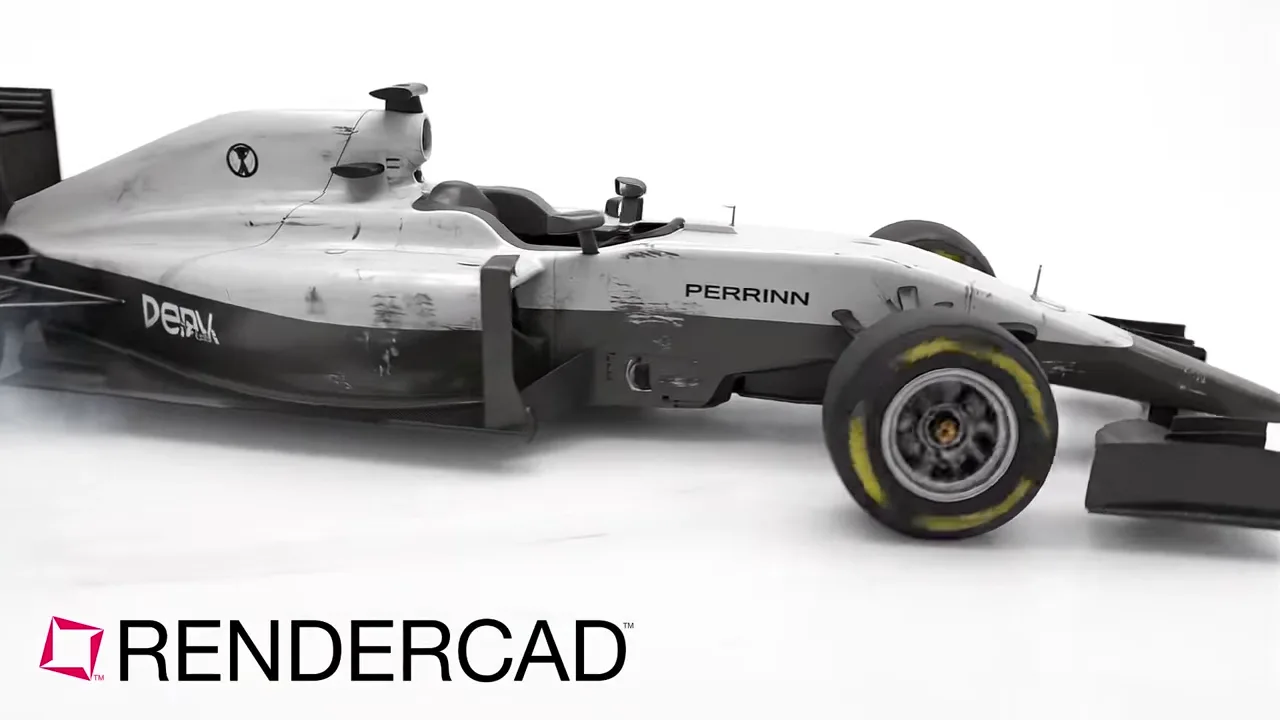
Explore visual directions from IRender nXt and SketchUp scenes.
IRender nXt is a SketchUp rendering extension from Render Plus for visualizing interior and exterior models with lighting presets, indirect light, materials, reflections, HDRI skies, plants, post-processing, panoramas, and animation. It works from the SketchUp model and saved scenes, making it practical for architects, designers, and product teams who need to turn a modeled view into a polished still or presentation sequence. RENDERCAD can sit earlier in that process: use a clean SketchUp view or an early IRender nXt image to explore visual intent before committing time to detailed render controls.


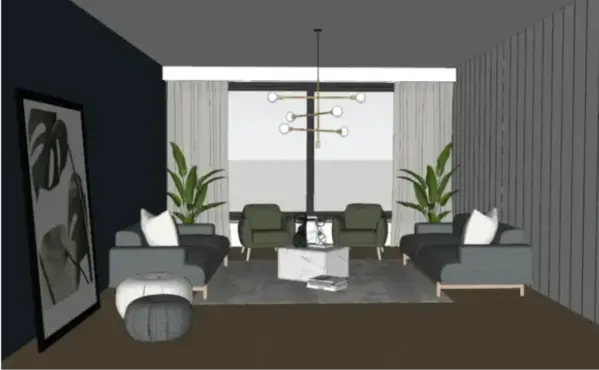
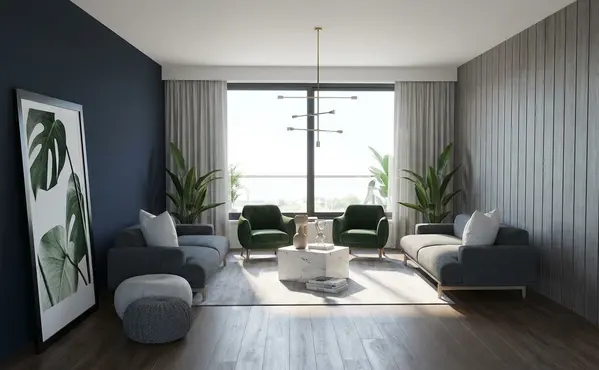


IRender nXt is a SketchUp rendering extension from Render Plus for visualizing interior and exterior models with lighting presets, indirect light, materials, reflections, HDRI skies, plants, post-processing, panoramas, and animation. It works from the SketchUp model and saved scenes, making it practical for architects, designers, and product teams who need to turn a modeled view into a polished still or presentation sequence. RENDERCAD can sit earlier in that process: use a clean SketchUp view or an early IRender nXt image to explore visual intent before committing time to detailed render controls.
IRender nXt is built around rendering SketchUp scenes with the model's materials, lighting presets, sun and sky, HDRI environments, reflections, plants, and saved views. That makes it a relevant workflow for design teams presenting an interior, exterior, site approach, retail space, or modeled product from a deliberate camera position. RENDERCAD is useful when the geometry and viewpoint already explain the proposal, but the team wants to test presentation directions before investing in detailed material and lighting refinement. Upload a clean IRender nXt preview or uncluttered SketchUp camera view and describe the intended result, such as a softer hospitality interior, a brighter residential exterior, a planted arrival view, or a studio-style product composition. Use the concepts to compare mood, context, palette, and styling while keeping the source view recognizable. Treat those concept images as visual exploration, not as a replacement for the SketchUp model, verified material specifications, or lighting decisions. Return to IRender nXt for the controlled render that must follow the approved scene, camera, materials, lighting, panorama, animation, or high-resolution output requirements.
In SketchUp, choose the saved scene intended for IRender nXt and hide axes, guides, selection outlines, and temporary geometry. Capture either the clean viewport or an early IRender nXt render at the exact camera position you want to discuss. In RENDERCAD, request one focused visual direction at a time, such as a warmer daylight interior, a more credible exterior context, restrained planting, or a studio-style product image. Compare alternatives without changing the camera so stakeholders can react to the presentation direction rather than a new viewpoint. Then translate the selected direction back into the SketchUp and IRender nXt scene by refining the actual materials, lights, HDRI or sky, planted content, and image adjustments. Use IRender nXt for any final render whose framing, animation, panorama, or material behavior needs to remain tied to the authored SketchUp scene.
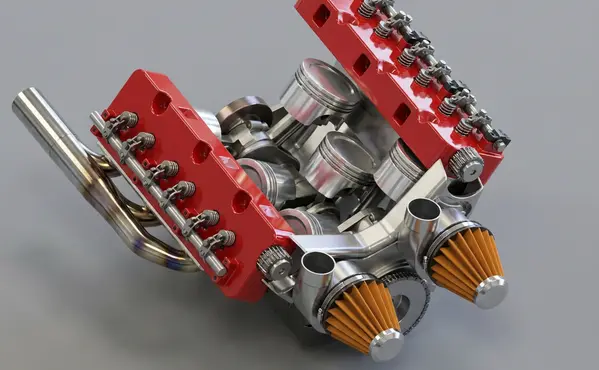
Modeled by CADSharp in Onshape. Rendered with RENDERCAD.
Add | Change | or Remove referenced objects with the stroke of a brush.
RENDERCAD uses a maintained selection of image-generation models for different rendering tasks. Results can vary by model and input, so compare generated output with the source design before relying on geometry, materials, or dimensions.
| Feature | RENDERCAD | IRender nXt |
|---|---|---|
| Engine | Generative AI | SketchUp-integrated ray-tracing and photometric renderer with indirect lighting, materials, reflections, transparency, HDRI environments, plants, image effects, panoramas, and animation tools |
| Output | Images + Video | Still images, panoramas, rendered animation frames and movies, high-resolution presentation images, and 3D PDF presentation workflows |
| Resolution | HD / 4K | User-selected image size and render settings; practical limits depend on scene complexity, memory, and hardware |
| Image Speed | Image renders complete in 60 seconds. | Depends on scene complexity, lighting, materials, resolution, passes, and local hardware |
| Video Speed | Videos complete in 2-5 minutes. | Animation output depends on frame count, render settings, scene complexity, and hardware |
| Scene Set Up | No separate local scene | SketchUp model with IRender nXt materials, lights, sun and sky, reflections, transparency, HDRI environments, plants, saved views, and output settings |
| Input | Screen Snip | SketchUp models and saved SketchUp views rendered through the installed IRender nXt extension |
| Hardware | Cloud GPU | Desktop SketchUp extension workflow; compatibility depends on SketchUp and plugin versions |
| Install | None | SketchUp extension installation and licensing required |
| Cost | from $9/mo | Commercial rendering extension with trial and purchase options; terms vary by license and product bundle |
Read the numbers. We trust you to know theirs.
Skip a separate local scene build. Pick a condition, material, and background while RENDERCAD handles the image-generation step. Image renders complete in 60 seconds.
 ™
RENDERCAD™
™
RENDERCAD™
Use the browser workflow directly, capture a selected view with the desktop app, or start from the browser extension.
Get StartedCommon solutions for IRender nXt users
RENDERCAD starts from a 2D image and uses generated material and environment direction. Built-in renderers may provide direct scene, geometry, lighting, and material control.
Provide a material reference or describe the intended scale, then compare the result with known dimensions and the source model.
Yes. A sketch can guide lighting direction, color zones, or composition. The generated interpretation may add or change details, so review it against the source.
Yes. Use a mask to target the background separately from the foreground product. Review both regions because generation can still alter unmasked content.
Yes. Use authorized previous renders as style references, then review the new output because visual consistency can vary.
While RENDERCAD generates full rectangular images, you can set the Background to "White" or "Grey" in Advanced Settings for easy masking in post-production.
Upload a CAD screenshot, real photo, or hand drawing and describe warm golden-hour light and the intended direction. Review the generated color and shadows because the interpretation can vary.
Yes. Choose the Dolly In or Dolly Out camera preset in the Video panel, then review the clip for product and geometry fidelity.
Yes. RENDERCAD's Render Studio works on Safari or Chrome on Mac, allowing you to turn CAD screenshots, real photos, and hand drawings into pro renders easily.
Generating images or videos consumes credits. Your balance refreshes monthly based on your subscription plan.
Start with a sharp input, choose the Realistic engine, and use 4K when additional output resolution is needed. Higher resolution does not recover source detail that is missing or guarantee geometry fidelity.
RENDERCAD can place a clear viewport capture into a described lifestyle environment, such as a kitchen or office, and produce options for review.