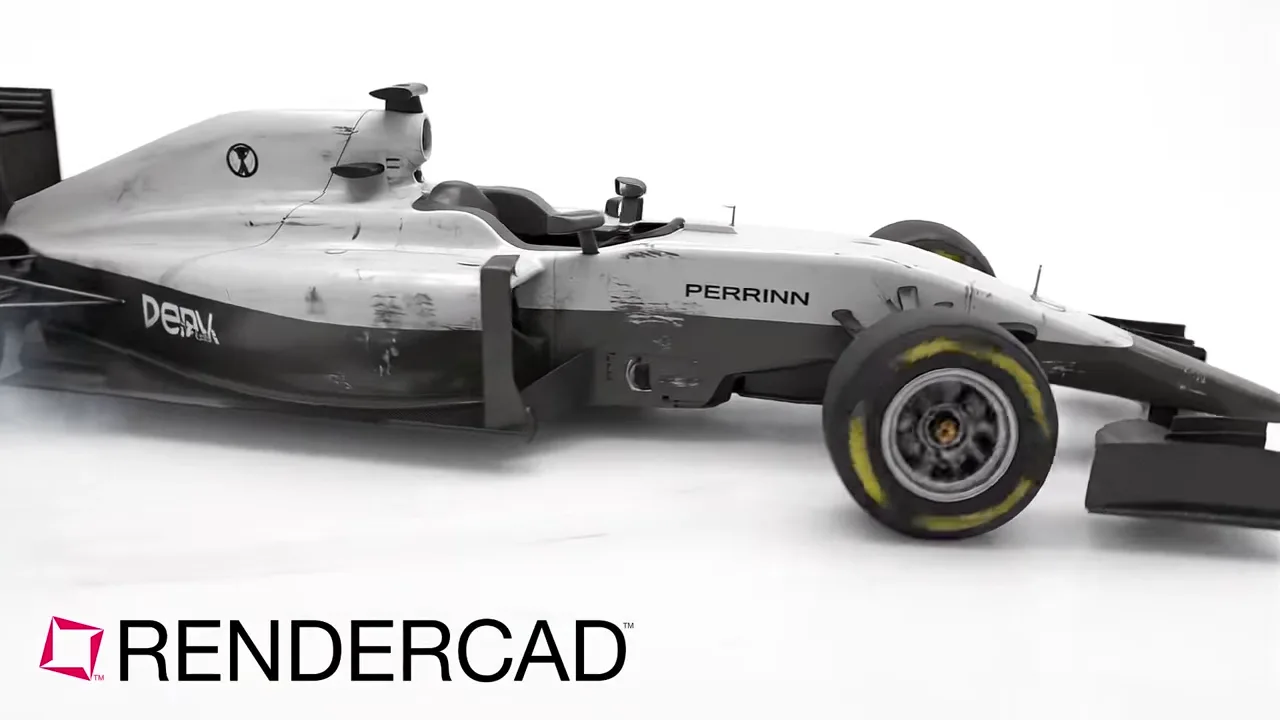
Presentation visuals for InfraWorks civil context models.
Autodesk InfraWorks supports conceptual civil infrastructure design in information-rich context models. Civil teams use it to explore and communicate road, rail, bridge, site, drainage, and water infrastructure options alongside the surrounding terrain, built environment, and geospatial data. Its snapshots and storyboard views provide useful starting images when a proposal needs a clearer, more persuasive visual for a non-technical audience.




Autodesk InfraWorks supports conceptual civil infrastructure design in information-rich context models. Civil teams use it to explore and communicate road, rail, bridge, site, drainage, and water infrastructure options alongside the surrounding terrain, built environment, and geospatial data. Its snapshots and storyboard views provide useful starting images when a proposal needs a clearer, more persuasive visual for a non-technical audience.
InfraWorks is well suited to early infrastructure conversations where the relationship between a proposed alignment and its setting matters as much as the individual asset. A roadway alternative can be reviewed against terrain, adjacent development, waterways, crossings, and connecting streets; a bridge or drainage concept can likewise be presented within the wider corridor. For a board, community meeting, bid response, or concept review, choose a clean InfraWorks camera view that makes the project footprint and key design move easy to read. A high-resolution snapshot is usually the most useful input, while a selected still from a storyboard can establish an approach, aerial, or eye-level sequence. RENDERCAD can develop that source image into a more polished presentation visual by strengthening material cues, vegetation, water, sky, lighting, and atmospheric conditions. The result is most appropriate for communicating design intent and comparing concepts, not for proving technical performance or construction detail.
In InfraWorks, activate the proposal and use the model view to frame the design in enough existing context to explain its impact. Hide unneeded feature classes in Model Explorer, and remove analysis themes, labels, selection states, and interface elements before capture. Set the desired sun, sky, shadows, and visual effects, then create a snapshot at an appropriate aspect ratio and resolution. For a storyboard, export or capture a representative still rather than relying on a busy frame. In RENDERCAD, use the clean view to produce a presentation-focused interpretation that retains the visible route, grading relationship, structures, and major site context. Request visual improvements that serve the story of the option, such as clearer pavement and bridge materials, believable planting, water treatment, or a consistent weather mood. Use the finished image in concept boards, stakeholder presentations, and marketing or proposal collateral. Keep InfraWorks and the underlying engineering data as the source of truth for geometry, quantities, clearances, simulation results, and every design decision.
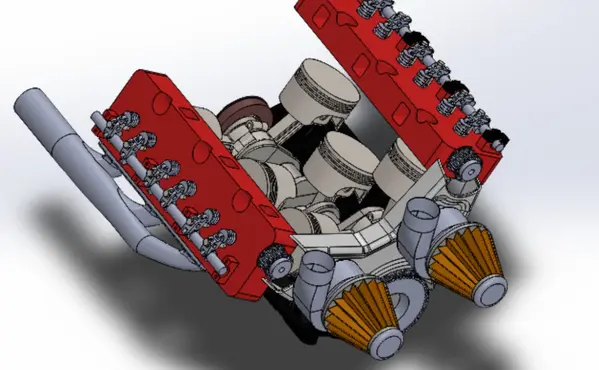
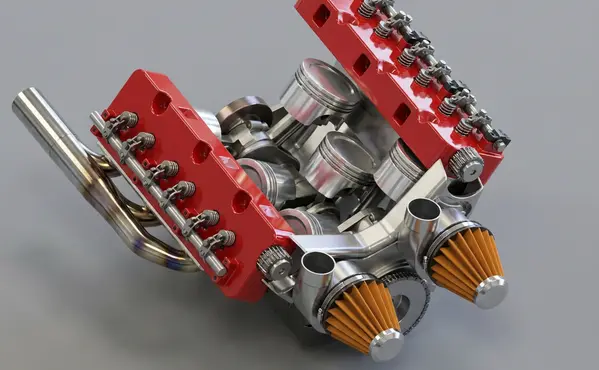
Modeled by CADSharp in Onshape. Rendered with RENDERCAD.
Add | Change | or Remove referenced objects with the stroke of a brush.
RENDERCAD uses a maintained selection of image-generation models for different rendering tasks. Results can vary by model and input, so compare generated output with the source design before relying on geometry, materials, or dimensions.
| Feature | RENDERCAD | Competitor |
|---|---|---|
| Engine | Generative AI | Varies by tool |
| Output | Images + Video | Varies by tool |
| Resolution | HD / 4K | Varies by workflow |
| Image Speed | Image renders complete in 60 seconds. | Varies by scene/tool |
| Video Speed | Videos complete in 2-5 minutes. | Varies by workflow |
| Scene Set Up | No separate local scene | Varies by workflow |
| Input | Screen Snip | Varies by tool |
| Hardware | Cloud GPU | Often local GPU/CPU |
| Install | None | Varies (web or app) |
| Cost | from $9/mo | Varies widely |
Read the numbers. We trust you to know theirs.
Skip a separate local scene build. Pick a condition, material, and background while RENDERCAD handles the image-generation step. Image renders complete in 60 seconds.
 ™
RENDERCAD™
™
RENDERCAD™
Use the browser workflow directly, capture a selected view with the desktop app, or start from the browser extension.
Get StartedCommon solutions for InfraWorks users
Mask individual components and assign color prompts or authorized references. Verify brand color in a color-managed workflow rather than relying on generated accuracy.
Create one master render, then use masking and reference swapping to generate variations - different colors, backgrounds, and contexts - from a single session.
Describe chrome or a silver mirror finish and choose an environment that provides useful reflections. Inspect the output for artifacts and unintended reflected details.
Upload a CAD screenshot, real photo, or hand drawing and describe warm golden-hour light and the intended direction. Review the generated color and shadows because the interpretation can vary.
Yes, use the "Details" field in the video tab to describe elements like "Steam rising" or "Lights flickering."
Yes. RENDERCAD's Render Studio works on Safari or Chrome on Mac, allowing you to turn CAD screenshots, real photos, and hand drawings into pro renders easily.
Generating images or videos consumes credits. Your balance refreshes monthly based on your subscription plan.
Add a familiar scale cue such as a person, hand, or furniture item, then verify the generated relationship against known dimensions in the source model.
RENDERCAD can place a clear viewport capture into a described lifestyle environment, such as a kitchen or office, and produce options for review.
The screenshot workflow uses image inputs, presets, and plain-language direction. Teams should still review generated output with the appropriate designer or product owner.
Use a condition preset or regional instruction to explore dust, scratches, or age. Generated wear patterns do not predict real product use.
A supported browser can submit a clear 2D input without a local rendering GPU.