Polished apparel presentation images from Pattern Design views.
Gerber AccuMark Pattern Design is used to prepare apparel pattern pieces and the visual details that support garment development. Teams can associate fabric images with pieces, place trims and edge finishes, and build colorways that vary the fabric, trim, or graphic direction of a style. Those assets can be reviewed in the 2D work area and used in the connected 3D garment workflow, where a prepared model, fabric information, and garment setup support a simulated view. This makes Pattern Design a useful source for an apparel visual that needs to show a specific textile, print placement, trim detail, or colorway before it is presented more broadly.




Gerber AccuMark Pattern Design is used to prepare apparel pattern pieces and the visual details that support garment development. Teams can associate fabric images with pieces, place trims and edge finishes, and build colorways that vary the fabric, trim, or graphic direction of a style. Those assets can be reviewed in the 2D work area and used in the connected 3D garment workflow, where a prepared model, fabric information, and garment setup support a simulated view. This makes Pattern Design a useful source for an apparel visual that needs to show a specific textile, print placement, trim detail, or colorway before it is presented more broadly.
Use Gerber Pattern Design when the visual question is tied to the apparel development work already represented in the model. A clean 2D pattern layout can help discuss how a repeating fabric, logo, applique, label, or edge treatment is placed on the pieces. A completed 3D garment view is more suitable when the team needs to show silhouette, garment proportion, artwork placement, or a selected colorway on an avatar. After the Pattern Design or AccuMark 3D view has been reviewed, RENDERCAD can turn that chosen view into a polished presentation image for a line review, assortment board, merchandising brief, buyer discussion, or early campaign concept. This is presentation support, not a replacement for the development workflow: AccuMark remains the source of truth for pattern geometry, grading, construction, fabric properties, fit, and production-ready artwork placement.
In Gerber Pattern Design, first open the intended model and make the development view reliable: confirm the pattern pieces, fabric image, trim or edge finish, and active colorway. If the goal is an on-avatar image, finish the relevant AccuMark 3D preparation and inspect the simulation before capture. Choose one view with a clear communication purpose - a full garment view for a range conversation, a close view for textile or graphic placement, or a 2D layout for a construction and colorway discussion. Export or capture that approved view and upload it to RENDERCAD with direction for the presentation, such as an uncluttered studio composition, an apparel merchandising image, or a flat-lay concept. Use the resulting visual in communication materials, then return to AccuMark for any decision that requires validation of pattern changes, fit, drape, grading, color fidelity, or manufacturing details.
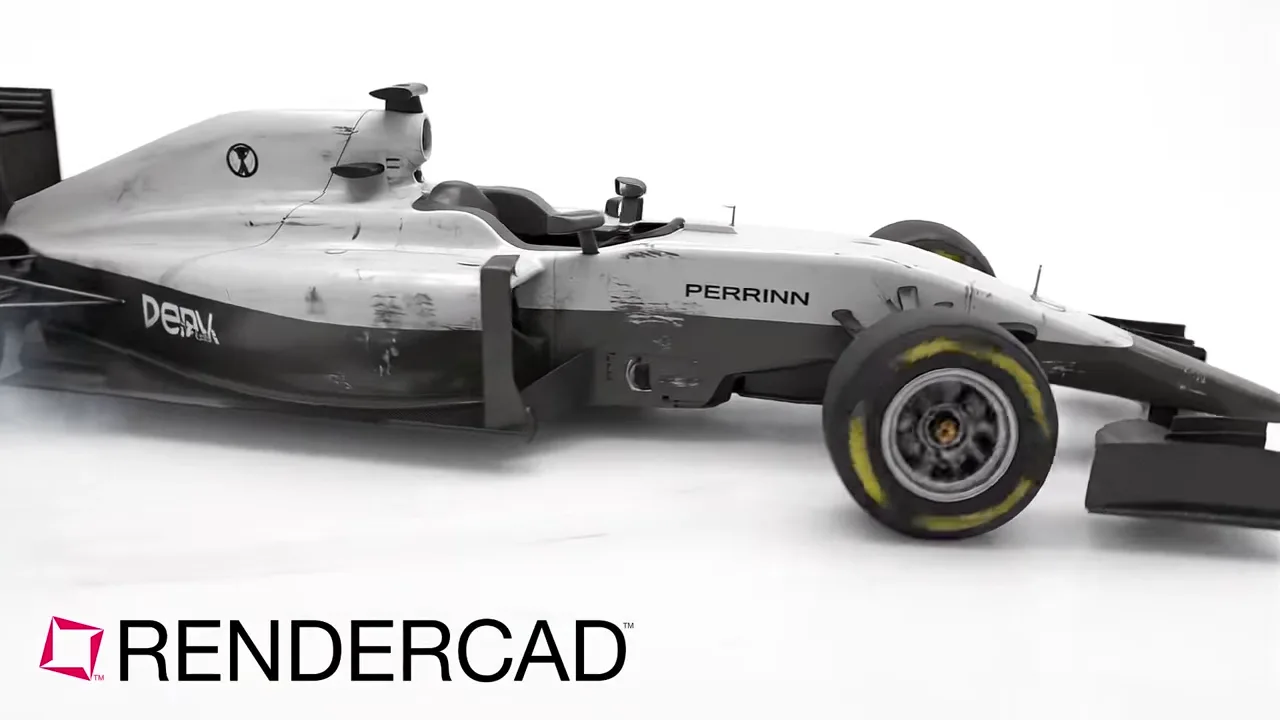
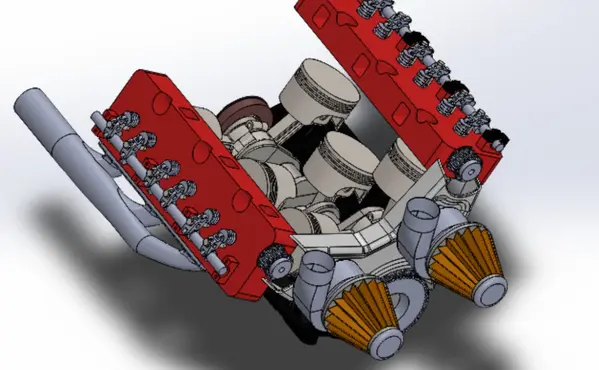
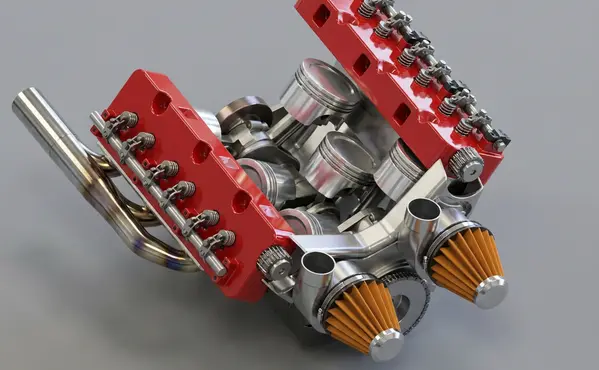
Modeled by CADSharp in Onshape. Rendered with RENDERCAD.
Add | Change | or Remove referenced objects with the stroke of a brush.
RENDERCAD uses a maintained selection of image-generation models for different rendering tasks. Results can vary by model and input, so compare generated output with the source design before relying on geometry, materials, or dimensions.
| Feature | RENDERCAD | Competitor |
|---|---|---|
| Engine | Generative AI | Varies by tool |
| Output | Images + Video | Varies by tool |
| Resolution | HD / 4K | Varies by workflow |
| Image Speed | Image renders complete in 60 seconds. | Varies by scene/tool |
| Video Speed | Videos complete in 2-5 minutes. | Varies by workflow |
| Scene Set Up | No separate local scene | Varies by workflow |
| Input | Screen Snip | Varies by tool |
| Hardware | Cloud GPU | Often local GPU/CPU |
| Install | None | Varies (web or app) |
| Cost | from $9/mo | Varies widely |
Read the numbers. We trust you to know theirs.
Skip a separate local scene build. Pick a condition, material, and background while RENDERCAD handles the image-generation step. Image renders complete in 60 seconds.
 ™
RENDERCAD™
™
RENDERCAD™
Use the browser workflow directly, capture a selected view with the desktop app, or start from the browser extension.
Get StartedCommon solutions for Gerber Pattern Design users
Add a familiar scale cue such as a person, hand, or furniture item, then verify the generated relationship against known dimensions in the source model.
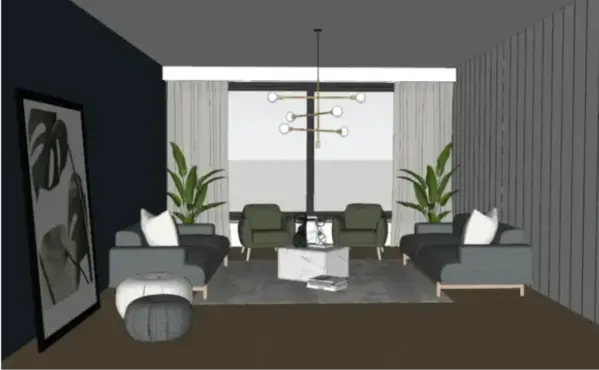
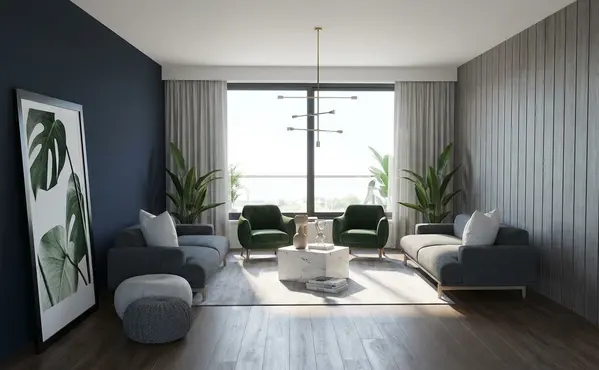
RENDERCAD can place a clear viewport capture into a described lifestyle environment, such as a kitchen or office, and produce options for review.
The screenshot workflow uses image inputs, presets, and plain-language direction. Teams should still review generated output with the appropriate designer or product owner.
Use a condition preset or regional instruction to explore dust, scratches, or age. Generated wear patterns do not predict real product use.
A supported browser can submit a clear 2D input without a local rendering GPU.
The current desktop app or browser extension can capture a selected view and send the screenshot into RENDERCAD without a CAD rendering plugin.
Yes, if you are authorized to use it. A background reference guides environment, lighting, and composition, but generated placement and perspective can vary.
Masking lets you target a region of a CAD screenshot, real photo, or hand drawing with a reference image or instruction. Generation can still affect other regions, so inspect the full result.
A reference can communicate palette, material, lighting, or composition more directly than text alone. Generated results still require review and may need additional iterations.
Use a clear capture, choose the Factory New condition, and describe the intended plastic type, color, and finish. Review the generated surface because gloss, texture, and molded details can vary.
Upload a clear image, choose the Realistic engine, and describe a large soft light source or overcast lighting. Generated shadows are visual approximations, not a physical lighting calculation.
Videos complete in 2-5 minutes.