Polished apparel presentation images from AccuMark 3D views.
Gerber AccuMark is apparel CAD used for pattern design, grading, marker making, and production planning. Its AccuMark 3D workflow simulates 2D pattern pieces on an avatar, using model data, fabric properties, images, stitching relationships, and garment placement. Pattern makers and apparel developers can use those views to review silhouette, fit, drape, graphic placement, trims, and color or fabric direction before choosing presentation material. RENDERCAD is useful after that development work when a team needs a more polished image derived from a selected garment view for a commercial or communication context.





Gerber AccuMark is apparel CAD used for pattern design, grading, marker making, and production planning. Its AccuMark 3D workflow simulates 2D pattern pieces on an avatar, using model data, fabric properties, images, stitching relationships, and garment placement. Pattern makers and apparel developers can use those views to review silhouette, fit, drape, graphic placement, trims, and color or fabric direction before choosing presentation material. RENDERCAD is useful after that development work when a team needs a more polished image derived from a selected garment view for a commercial or communication context.
AccuMark 3D is especially relevant when an apparel team has already prepared the virtual sample in the pattern workflow. The model brings together the required pattern pieces and their orientations; fabric information affects the simulation; and the 3D workspace supports piece placement, stitching, and an avatar-based garment view. A front, back, three-quarter, close textile, or detail view can therefore communicate different questions - overall proportion, print placement, trim, seam detail, or the relationship between the garment and the fit avatar. Capture the clearest approved view and use RENDERCAD to create a refined visual for a line review, design concept, assortment conversation, buyer-facing discussion, or merchandising brief. RENDERCAD complements presentation work; AccuMark remains the source of truth for the pattern, grading, construction, fabric behavior, fit, and production decisions.
In AccuMark, first complete the garment model and 3D preparation: confirm the intended pattern pieces, fabric table data, image or artwork placement, and sewing relationships, then position the pieces around the selected avatar and run the simulation. Review the simulation in AccuMark before capture, because poor placement, intersections, or unverified material settings can misrepresent the garment. Select an image that has a single clear purpose, such as a full on-avatar silhouette for a range review, a close view of a print or textile, or a feature view showing buttons, zippers, stitching, or other trim. Upload the chosen view to RENDERCAD and describe the desired presentation treatment, such as a clean studio apparel image, a merchandising-ready composition, or a campaign-style concept. Use the resulting image alongside the AccuMark view for communication, while returning to AccuMark whenever the team needs to validate fit, pattern changes, construction, grading, or fabric simulation.
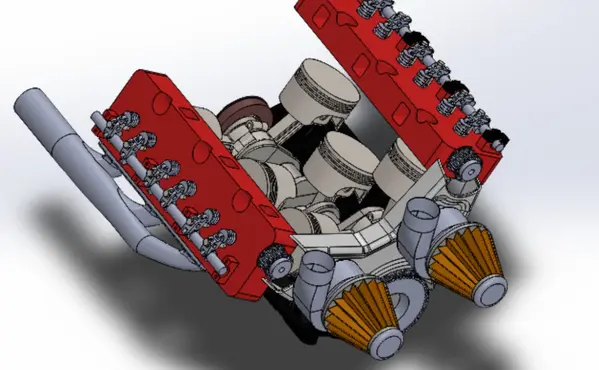
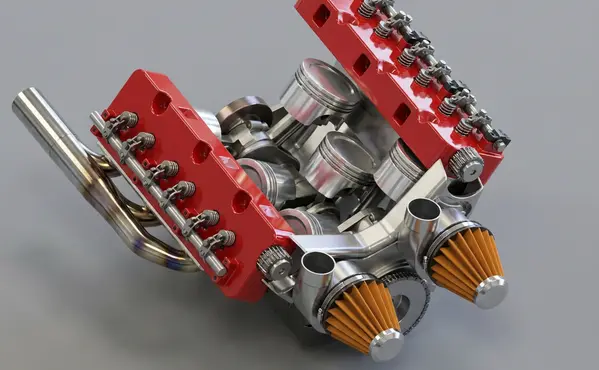
Modeled by CADSharp in Onshape. Rendered with RENDERCAD.
Add | Change | or Remove referenced objects with the stroke of a brush.
RENDERCAD uses a maintained selection of image-generation models for different rendering tasks. Results can vary by model and input, so compare generated output with the source design before relying on geometry, materials, or dimensions.
| Feature | RENDERCAD | Competitor |
|---|---|---|
| Engine | Generative AI | Varies by tool |
| Output | Images + Video | Varies by tool |
| Resolution | HD / 4K | Varies by workflow |
| Image Speed | Image renders complete in 60 seconds. | Varies by scene/tool |
| Video Speed | Videos complete in 2-5 minutes. | Varies by workflow |
| Scene Set Up | No separate local scene | Varies by workflow |
| Input | Screen Snip | Varies by tool |
| Hardware | Cloud GPU | Often local GPU/CPU |
| Install | None | Varies (web or app) |
| Cost | from $9/mo | Varies widely |
Read the numbers. We trust you to know theirs.
Skip a separate local scene build. Pick a condition, material, and background while RENDERCAD handles the image-generation step. Image renders complete in 60 seconds.
 ™
RENDERCAD™
™
RENDERCAD™
Use the browser workflow directly, capture a selected view with the desktop app, or start from the browser extension.
Get StartedCommon solutions for Gerber AccuMark users
Generation runs on cloud infrastructure, so a local rendering GPU is not required. The device still needs sufficient resources for the source application, browser, and network connection.
Context prompts can provide a visual scale cue, but the source model and known dimensions remain authoritative. Do not infer measurements from generated imagery.
RENDERCAD starts from a 2D image and uses generated material and environment direction. Built-in renderers may provide direct scene, geometry, lighting, and material control.
Provide a material reference or describe the intended scale, then compare the result with known dimensions and the source model.
Yes, if you are authorized to use the photo. It can guide the environment, while placement, lighting, and shadows remain generated interpretations.
Mask the visible label area and attach authorized artwork as a reference to guide the generated mockup. Verify spelling, shape, color, placement, and perspective; add exact production artwork afterward in a graphics or packaging-design tool.
Create one master render, then use masking and reference swapping to generate variations - different colors, backgrounds, and contexts - from a single session.
Upload a clear image or use a current capture tool, describe carbon fiber, and add an authorized material reference when a specific visual direction matters. Image renders complete in 60 seconds.
Upload a CAD screenshot, real photo, or hand drawing and describe warm golden-hour light and the intended direction. Review the generated color and shadows because the interpretation can vary.
Choose the Orbit camera preset in the Video panel. Review the generated clip because viewpoint changes and product details can vary from a single-image input.
Yes. RENDERCAD's Render Studio works on Safari or Chrome on Mac, allowing you to turn CAD screenshots, real photos, and hand drawings into pro renders easily.
Generating images or videos consumes credits. Your balance refreshes monthly based on your subscription plan.