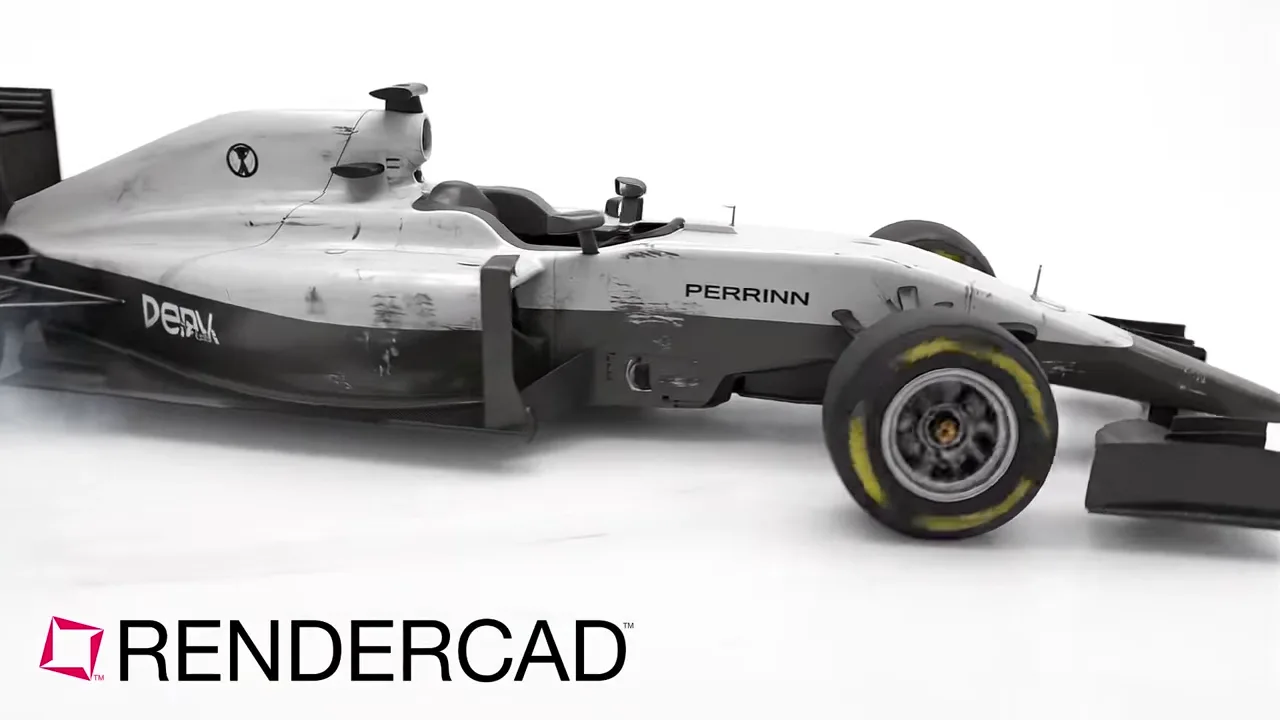
Polished visuals from Fusion Personal maker CAD views.
Autodesk Fusion Personal supports individual, non-commercial design and home-fabrication projects, from modeled parts and assemblies to clear presentation views for maker documentation.


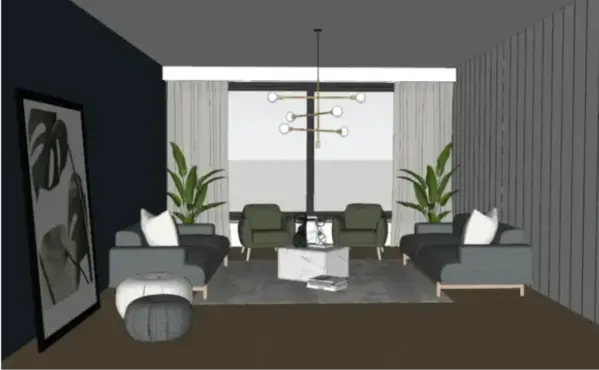

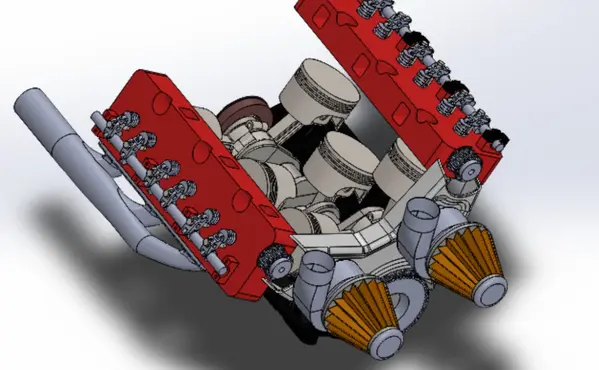
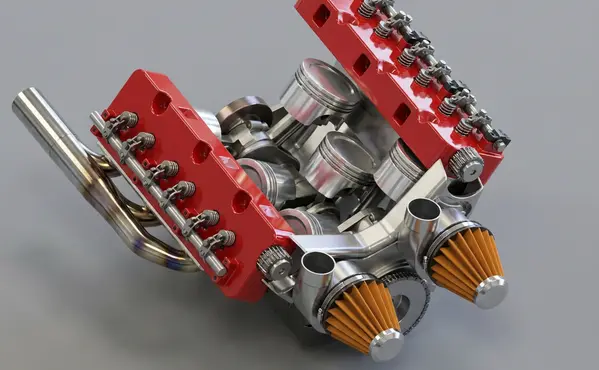


Autodesk Fusion Personal supports individual, non-commercial design and home-fabrication projects, from modeled parts and assemblies to clear presentation views for maker documentation.
Fusion 360 Personal is a useful starting point for makers showing non-commercial designs such as a 3D printed replacement part, workshop jig, electronics enclosure, furniture detail, small mechanism, or home-fabrication project. After modeling, a carefully framed shaded viewport can show how bodies fit together, which surfaces are finished, and how the object is meant to be used. RENDERCAD can turn that prepared Fusion view into a polished presentation visual while preserving the direction established in the CAD capture. It is well suited to a build log, personal portfolio, project proposal, maker-community post, or documentation that needs a more approachable visual than a working design screen. Use Fusion for parametric design, dimensions, tolerances, manufacturing choices, and the authoritative model; RENDERCAD supports the visual handoff rather than replacing those CAD or fabrication decisions.
In Fusion Personal, open the finished part, assembly, or configuration and select a shaded view that makes the design easy to read. Use appearances when they distinguish materials or components, and set a useful orientation before hiding sketches, construction geometry, dimensions, section tools, and other modeling aids. If a detail such as a fastener, print texture, or moving joint matters, frame it clearly rather than relying on a distant overview. Capture the cleaned viewport and use RENDERCAD to develop a presentation-ready visual for a build update, portfolio page, fabrication preview, or non-commercial project documentation. Check any generated visual against the Fusion model before presenting dimensions, fit, or manufacturing details as final. For API-driven workflows, start at RENDERCAD developer documentation.
Modeled by CADSharp in Onshape. Rendered with RENDERCAD.
Add | Change | or Remove referenced objects with the stroke of a brush.
RENDERCAD uses a maintained selection of image-generation models for different rendering tasks. Results can vary by model and input, so compare generated output with the source design before relying on geometry, materials, or dimensions.
| Feature | RENDERCAD | Competitor |
|---|---|---|
| Engine | Generative AI | Varies by tool |
| Output | Images + Video | Varies by tool |
| Resolution | HD / 4K | Varies by workflow |
| Image Speed | Image renders complete in 60 seconds. | Varies by scene/tool |
| Video Speed | Videos complete in 2-5 minutes. | Varies by workflow |
| Scene Set Up | No separate local scene | Varies by workflow |
| Input | Screen Snip | Varies by tool |
| Hardware | Cloud GPU | Often local GPU/CPU |
| Install | None | Varies (web or app) |
| Cost | from $9/mo | Varies widely |
Read the numbers. We trust you to know theirs.
Skip a separate local scene build. Pick a condition, material, and background while RENDERCAD handles the image-generation step. Image renders complete in 60 seconds.
 ™
RENDERCAD™
™
RENDERCAD™
Use the browser workflow directly, capture a selected view with the desktop app, or start from the browser extension.
Get StartedCommon solutions for Fusion 360 Personal users
The model can reinterpret curves and surface transitions from the 2D input. Compare the result with the source because edges and geometry can drift.
It accepts a clear viewport screenshot, so a separate local material, light, and camera scene is not required for the image-generation workflow.
It lets you describe motion, steam, lighting changes, or atmosphere for a generated clip. Added details may not exist in the source model.
Yes. An environment reference can guide the visual direction of reflections on metallic or glossy surfaces, but the result is not a physical reflection simulation.
Mask individual components and assign color prompts or authorized references. Verify brand color in a color-managed workflow rather than relying on generated accuracy.
Yes, if the license permits this use. A stock image can guide a background or environment, while placement and lighting remain generated interpretations.
Describe the intended powder-coat color, gloss, and surface texture. Treat the generated finish as a visual direction and verify any production specification separately.
Choose a suitable background and describe a reflective floor. Inspect the generated reflection for alignment, product fidelity, and unintended details.
Choose the Seamless loop end-frame option to guide the clip toward a looping transition. Review the exported loop because continuity can vary by model and source image.
If the source viewport is visible but a local renderer fails, capture a clear screenshot and use it as a RENDERCAD input. Image renders complete in 60 seconds.
Yes. Upload a photo of a foam model and prompt "Finished plastic product" to visualize the final look.
Describe the color code name (e.g., "Traffic Red") in the prompt.