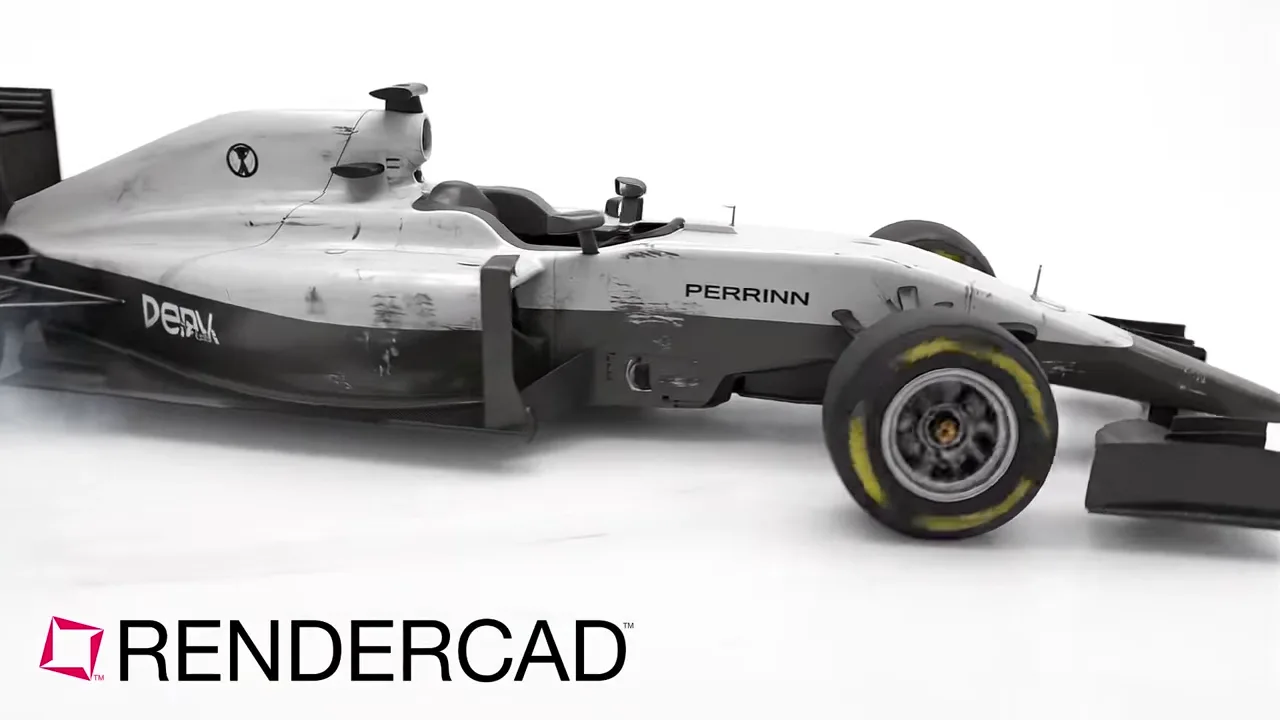
Polished presentation visuals from Fusion education design views.
Fusion education access supports student and classroom projects that move from parametric CAD models to manufacturing-ready designs. Its Render workspace lets learners assign visual appearances, adjust an environment and camera, and create an image that explains a model's form. RENDERCAD is useful at the presentation stage when a clean design view needs a more polished visual for communication.


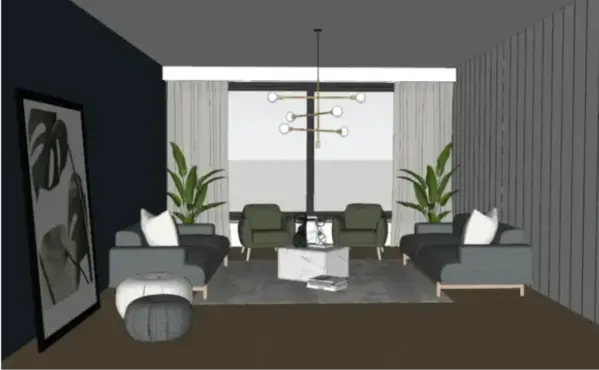
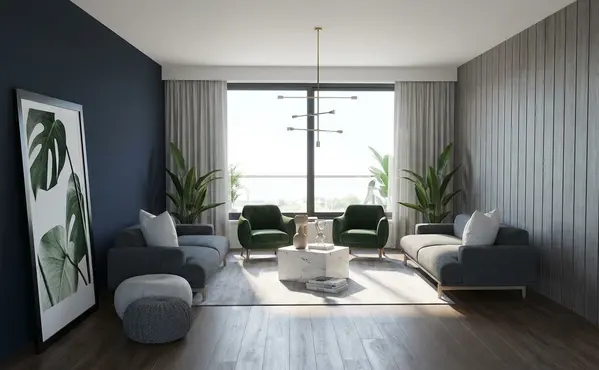
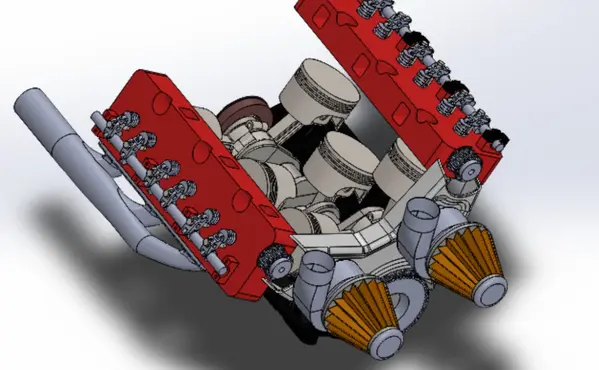


Fusion education access supports student and classroom projects that move from parametric CAD models to manufacturing-ready designs. Its Render workspace lets learners assign visual appearances, adjust an environment and camera, and create an image that explains a model's form. RENDERCAD is useful at the presentation stage when a clean design view needs a more polished visual for communication.
Fusion 360 Education is a defensible fit for students and educators who need to present a modeled object clearly, rather than only show its dimensions or feature history. A capstone prototype, robotics assembly, consumer product enclosure, assistive-device concept, mechanism, or electronics housing can benefit from a visual that makes its intended materials and use easier to understand. Begin with a view that reveals the important interfaces, moving parts, or silhouette. Fusion's own appearances can help distinguish bodies or finishes before capture; its Render workspace also provides scene, lighting, background, and camera controls. RENDERCAD can then develop that carefully chosen viewport into a polished presentation image for a critique, project board, assignment, portfolio case study, or concept slide. Keep Fusion as the source of truth for geometry, dimensions, engineering materials, manufacturability, and any technical render that must be verified against the model.
In Fusion 360 Education, open the saved design version you intend to show and isolate the bodies or components that tell the project story. Use a perspective view for a product-style image, or an orthographic view when the form and relationship of parts need to read without perspective distortion. Apply appearances only where they clarify the design, and use the Render workspace to review the camera, environment, lighting, and background. Hide sketches, construction geometry, dimensions, section analysis, joints, and other review-only aids before capturing a clean viewport. Send that view to RENDERCAD with a concise brief about the intended material, setting, and audience. Select the resulting visual for a critique deck, project board, assignment documentation, or student portfolio, while retaining Fusion files and drawings for technical review. For API-driven implementation, start at RENDERCAD developer documentation.
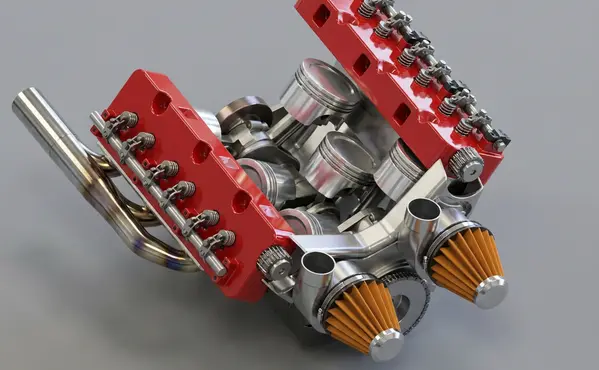
Modeled by CADSharp in Onshape. Rendered with RENDERCAD.
Add | Change | or Remove referenced objects with the stroke of a brush.
RENDERCAD uses a maintained selection of image-generation models for different rendering tasks. Results can vary by model and input, so compare generated output with the source design before relying on geometry, materials, or dimensions.
| Feature | RENDERCAD | Competitor |
|---|---|---|
| Engine | Generative AI | Varies by tool |
| Output | Images + Video | Varies by tool |
| Resolution | HD / 4K | Varies by workflow |
| Image Speed | Image renders complete in 60 seconds. | Varies by scene/tool |
| Video Speed | Videos complete in 2-5 minutes. | Varies by workflow |
| Scene Set Up | No separate local scene | Varies by workflow |
| Input | Screen Snip | Varies by tool |
| Hardware | Cloud GPU | Often local GPU/CPU |
| Install | None | Varies (web or app) |
| Cost | from $9/mo | Varies widely |
Read the numbers. We trust you to know theirs.
Skip a separate local scene build. Pick a condition, material, and background while RENDERCAD handles the image-generation step. Image renders complete in 60 seconds.
 ™
RENDERCAD™
™
RENDERCAD™
Use the browser workflow directly, capture a selected view with the desktop app, or start from the browser extension.
Get StartedCommon solutions for Fusion 360 Education users
RENDERCAD starts from a 2D image and uses generated material and environment direction. Built-in renderers may provide direct scene, geometry, lighting, and material control.
Provide a material reference or describe the intended scale, then compare the result with known dimensions and the source model.
Use an authorized photo with the intended studio, outdoor, or dramatic lighting as a reference. It guides the look but does not reproduce a measured lighting setup.
Use overlapping masked regions with separate references or instructions, then inspect the transition and iterate where a boundary is visible.
Create one master render, then use masking and reference swapping to generate variations - different colors, backgrounds, and contexts - from a single session.
Describe chrome or a silver mirror finish and choose an environment that provides useful reflections. Inspect the output for artifacts and unintended reflected details.
Upload a CAD screenshot, real photo, or hand drawing and describe warm golden-hour light and the intended direction. Review the generated color and shadows because the interpretation can vary.
Choose the Orbit camera preset and keep the source image as the authority for product shape and visible details. Generated parallax and newly revealed areas can vary.
Yes. RENDERCAD's Render Studio works on Safari or Chrome on Mac, allowing you to turn CAD screenshots, real photos, and hand drawings into pro renders easily.
Generating images or videos consumes credits. Your balance refreshes monthly based on your subscription plan.
Start with a sharp input, choose the Realistic engine, and use 4K when additional output resolution is needed. Higher resolution does not recover source detail that is missing or guarantee geometry fidelity.
RENDERCAD can place a clear viewport capture into a described lifestyle environment, such as a kitchen or office, and produce options for review.