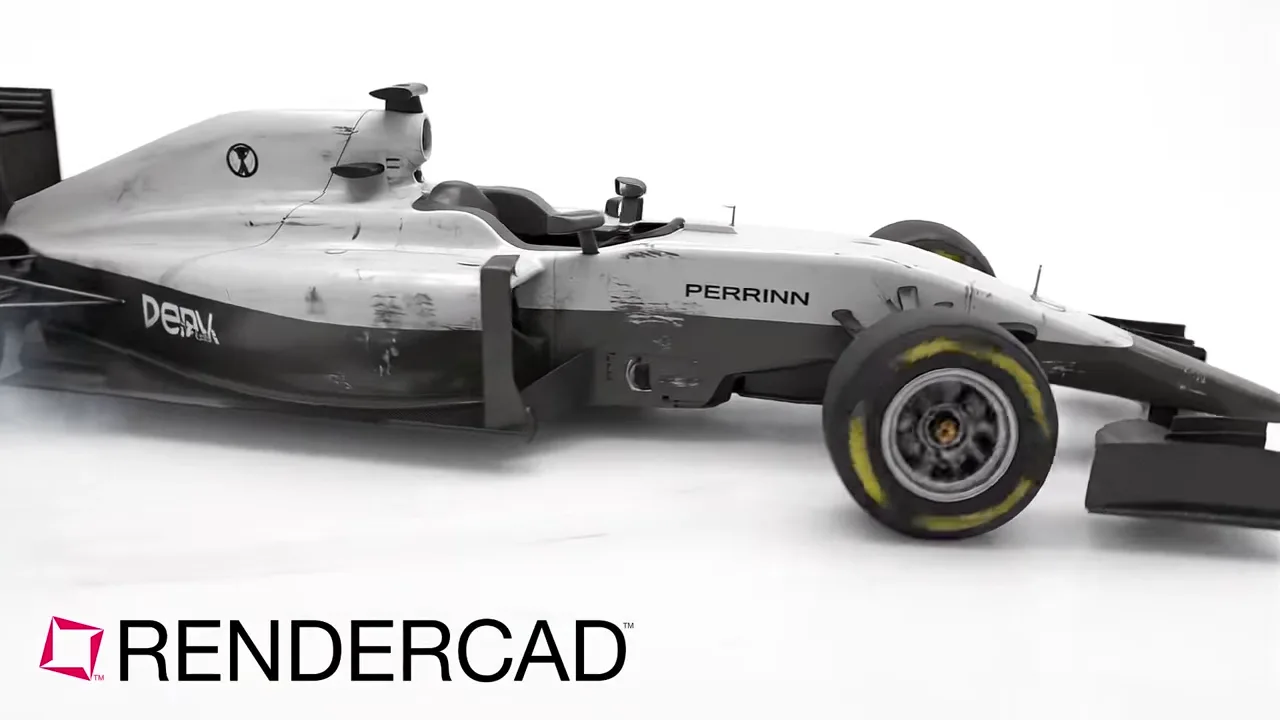
Develop architectural presentation concepts from DataCAD LT 3D and Object Viewer views.
Turn a composed DataCAD LT Object Viewer or shaded architectural model view into a focused visual concept for client-facing design communication.


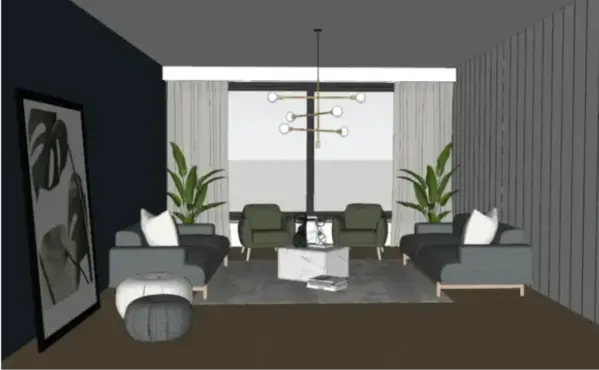
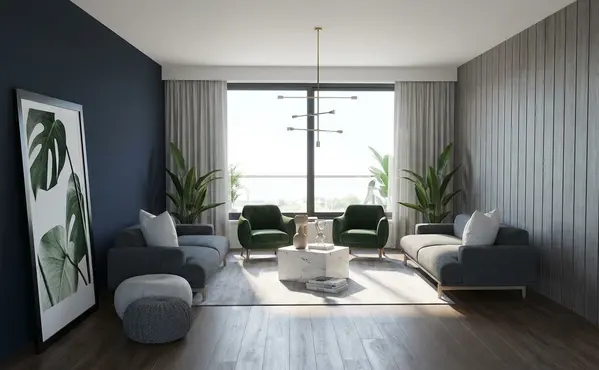



Turn a composed DataCAD LT Object Viewer or shaded architectural model view into a focused visual concept for client-facing design communication.
DataCAD LT is an architectural CADD application for developing drawings and 3D building studies, including walls, doors, windows, and terrain-based site geometry. Its Object Viewer provides dynamic shaded model views, while the OpenGL Shader can help the designer inspect massing, openings, colors, lights, and shadows before a presentation is assembled. That makes a clean, framed viewer image a useful starting point for RENDERCAD when the architecture already reads clearly but the project needs a more expressive still. Use a street-facing exterior to explore facade materials, glazing, planting, and weather; use a courtyard or site perspective to communicate the relationship between massing and terrain; or use an interior view to consider daylight, furnishings, and atmosphere. The result can support early client reviews, renovation proposals, design presentations, and marketing boards. It is a visual concept, however, not a substitute for the DataCAD LT drawing or model when dimensions, materials, construction detail, or site conditions must be verified.
In DataCAD LT, prepare one readable view rather than exporting the entire project. Turn on the layers that establish the building and immediate site, hide construction clutter, and choose a perspective or parallel view appropriate to the story. In Object Viewer or the OpenGL Shader, check roof lines, wall openings, terrain, major materials, and the camera framing; use a shaded view with enough contrast for the design intent to remain legible. Save a clean image from the viewer and upload it to RENDERCAD. Describe the visual direction to test, such as a calm daylight exterior, a warmer interior, restrained landscape planting, or a contextual streetscape, while retaining the supplied geometry and view as the guide. Develop separate alternatives for exterior, interior, and site conditions, then discuss the selected concept with the project team. Return to DataCAD LT to revise the actual model and construction drawings. Keep the DataCAD LT project as the source of truth for measured geometry and documented decisions.
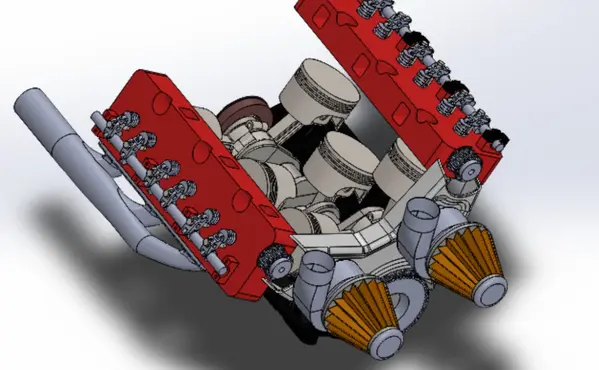
Modeled by CADSharp in Onshape. Rendered with RENDERCAD.
Add | Change | or Remove referenced objects with the stroke of a brush.
RENDERCAD uses a maintained selection of image-generation models for different rendering tasks. Results can vary by model and input, so compare generated output with the source design before relying on geometry, materials, or dimensions.
| Feature | RENDERCAD | DataCAD LT Object Viewer and OpenGL Shader |
|---|---|---|
| Engine | Generative AI | OpenGL Shader and Object Viewer for interactive shaded architectural model views |
| Output | Images + Video | Shaded 3D views and saved image captures from Object Viewer |
| Resolution | HD / 4K | Varies by viewer window, capture method, and workstation configuration |
| Image Speed | Image renders complete in 60 seconds. | Interactive view performance depends on model complexity and graphics hardware |
| Video Speed | Videos complete in 2-5 minutes. | Object Viewer supports interactive walkthrough-style navigation; it is not a dedicated animation renderer |
| Scene Set Up | No separate local scene | A DataCAD LT 3D building or site model with visible layers, colors or materials, lighting, and a composed view |
| Input | Screen Snip | DataCAD LT drawings and their associated 3D model views |
| Hardware | Cloud GPU | Windows desktop workflow |
| Install | None | Built into the DataCAD LT desktop workflow |
| Cost | from $9/mo | DataCAD LT license required; check the publisher for current terms |
Read the numbers. We trust you to know theirs.
Skip a separate local scene build. Pick a condition, material, and background while RENDERCAD handles the image-generation step. Image renders complete in 60 seconds.
 ™
RENDERCAD™
™
RENDERCAD™
Use the browser workflow directly, capture a selected view with the desktop app, or start from the browser extension.
Get StartedCommon solutions for DataCAD LT users
Use the RENDERCAD Overlay to capture a clear viewport without rebuilding a separate render scene. Image renders complete in 60 seconds.
Yes. A current desktop capture app and browser extension are available, and the browser upload workflow remains available without either tool.
Start with a clear, well-framed viewport and describe the intended material and lighting. Image renders complete in 60 seconds, and you can iterate or mask a region when an artifact remains.
Generation runs on cloud infrastructure, so a local rendering GPU is not required. The laptop still needs a supported browser, network access, and enough resources for the source application and image upload.
The core workflow is available in a supported browser and accepts a selected 2D image, so it does not require a rendering plugin in the source application.
The model can reinterpret curves and surface transitions from the 2D input. Compare the result with the source because edges and geometry can drift.
It accepts a clear viewport screenshot, so a separate local material, light, and camera scene is not required for the image-generation workflow.
It lets you describe motion, steam, lighting changes, or atmosphere for a generated clip. Added details may not exist in the source model.
A relevant reference can communicate palette, material, lighting, or composition more directly than text alone. Add a concise instruction and review the result rather than assuming the reference will be followed exactly.
Mask individual components and assign color prompts or authorized references. Verify brand color in a color-managed workflow rather than relying on generated accuracy.
Yes, if the license permits this use. A stock image can guide a background or environment, while placement and lighting remain generated interpretations.
Describe chrome or a silver mirror finish and choose an environment that provides useful reflections. Inspect the output for artifacts and unintended reflected details.