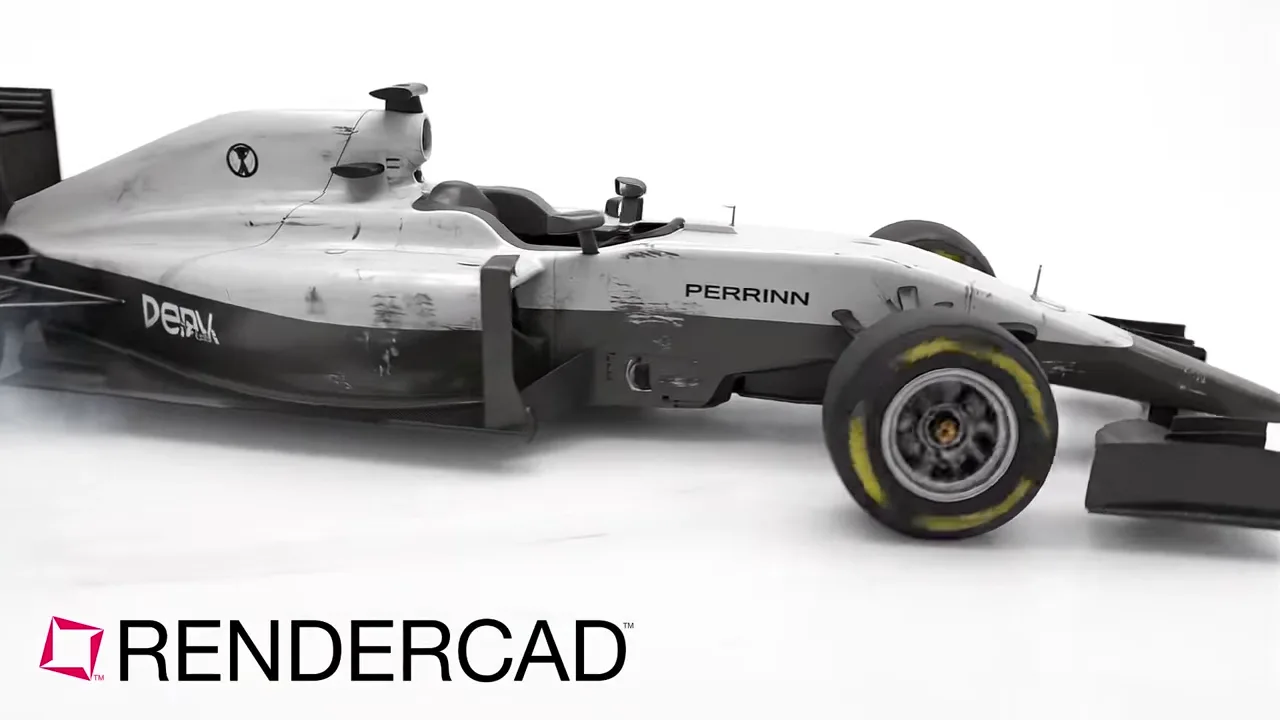
Turn DataCAD building views into clear architectural presentation visuals.
DataCAD is architectural CADD software for developing building designs, construction drawings, 3D models, and presentation imagery. Its architecture-focused tools support production work such as walls, doors, windows, dimensioning, and model-based views, giving designers a practical bridge from documented geometry to a readable design presentation.


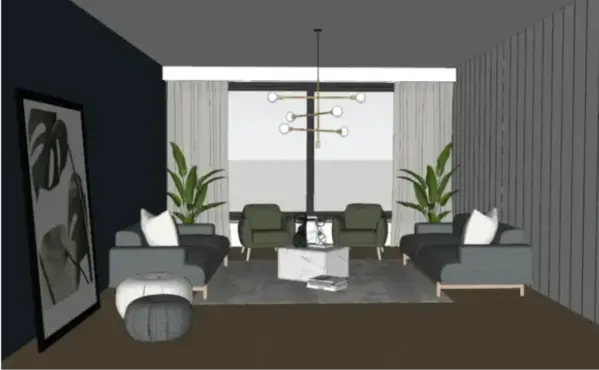
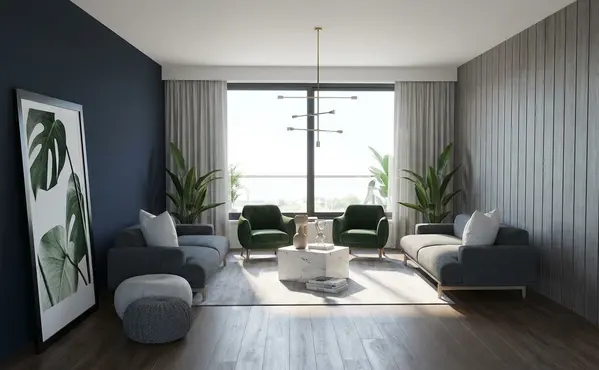


DataCAD is architectural CADD software for developing building designs, construction drawings, 3D models, and presentation imagery. Its architecture-focused tools support production work such as walls, doors, windows, dimensioning, and model-based views, giving designers a practical bridge from documented geometry to a readable design presentation.
DataCAD is used for the architectural work that connects plans, sections, elevations, and construction documents with 3D building studies. A well-composed perspective can make roof forms, openings, massing, and the relationship between a building and its site easier to discuss before a presentation is finalized. RENDERCAD can turn a clean DataCAD viewport capture into an architectural visual for a client conversation, design review, proposal board, or early planning image. It is especially useful for testing how a facade might read with a different material character, glazing treatment, daylight condition, landscape setting, or interior finish direction. Start from a view whose camera and main geometry already communicate the intended option; RENDERCAD can develop the visual expression without replacing the architectural model. DataCAD remains the source of truth for dimensions, assemblies, documented geometry, and construction intent, so generated imagery should be reviewed against the drawing before it is used to represent a final design decision.
In DataCAD, prepare a 3D perspective, parallel view, or shaded model view that clearly shows the design question. Use the architectural model to establish the building mass, wall openings, roof geometry, and relevant terrain or site elements, then frame the facade, entry, streetscape, or room from a useful eye level. Hide dimensions, hatches, notes, and construction layers that would distract from the image, but keep enough geometry visible to preserve the design's proportions and circulation cues. Capture the view and use RENDERCAD to explore a specific lighting, material, or context direction. Compare the resulting stills in design reviews or presentation boards, then return to DataCAD for drawing changes and coordinated documentation. Use the image as an interpretive presentation aid rather than a substitute for verified drawings. For current API implementation details, see RENDERCAD developer documentation.
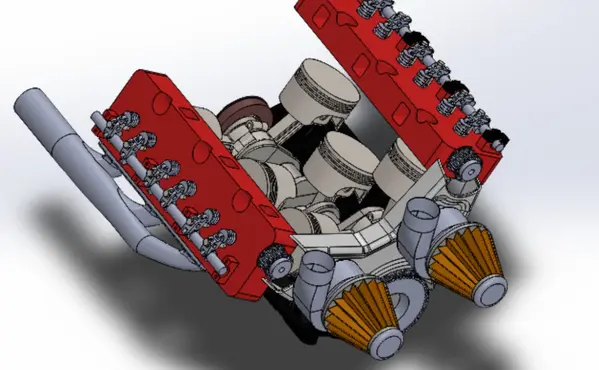
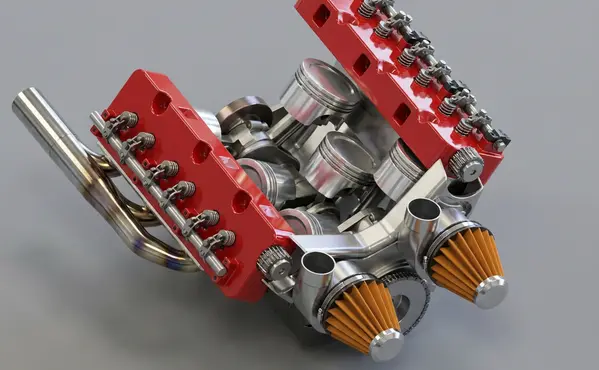
Modeled by CADSharp in Onshape. Rendered with RENDERCAD.
Add | Change | or Remove referenced objects with the stroke of a brush.
RENDERCAD uses a maintained selection of image-generation models for different rendering tasks. Results can vary by model and input, so compare generated output with the source design before relying on geometry, materials, or dimensions.
| Feature | RENDERCAD | Competitor |
|---|---|---|
| Engine | Generative AI | Varies by tool |
| Output | Images + Video | Varies by tool |
| Resolution | HD / 4K | Varies by workflow |
| Image Speed | Image renders complete in 60 seconds. | Varies by scene/tool |
| Video Speed | Videos complete in 2-5 minutes. | Varies by workflow |
| Scene Set Up | No separate local scene | Varies by workflow |
| Input | Screen Snip | Varies by tool |
| Hardware | Cloud GPU | Often local GPU/CPU |
| Install | None | Varies (web or app) |
| Cost | from $9/mo | Varies widely |
Read the numbers. We trust you to know theirs.
Skip a separate local scene build. Pick a condition, material, and background while RENDERCAD handles the image-generation step. Image renders complete in 60 seconds.
 ™
RENDERCAD™
™
RENDERCAD™
Use the browser workflow directly, capture a selected view with the desktop app, or start from the browser extension.
Get StartedCommon solutions for DataCAD users
Upload a clear image or use a current capture tool, describe carbon fiber, and add an authorized material reference when a specific visual direction matters. Image renders complete in 60 seconds.
Add phrases like "Light from left," "Backlit," or "Top down lighting" to your custom prompt in RENDERCAD.
Start from an image that clearly shows the existing separated components, then choose the Exploded View product motion. Review the clip against the source because generated motion can alter part boundaries or relationships.
Submit a clear viewport screenshot to the web workflow instead of running a local scene render. The generation request runs in the cloud while your source application remains separate.
Open the current desktop app or browser extension, select the viewport region, and send the captured image into the screenshot-based workflow. Availability and device requirements are documented on the current download pages.
Choose a White background and describe a grounded subject with a soft contact shadow. Inspect the generated shadow for alignment and plausibility.
It supports fast visual feedback from a clear viewport capture. Image renders complete in 60 seconds.
The current desktop app or browser extension can capture a selected viewport region and send that screenshot into the image workflow. The web upload path remains available without a CAD plugin.
Choose a background or describe the intended environment and lighting. Generated reflections and illumination are visual interpretations, not a scene-based light simulation.
4K is an optional output-resolution step. It increases pixel dimensions but does not restore missing source detail or guarantee print suitability.
It guides the video toward a looping transition. Review continuity after export because the first and last frames may still need editing.
Use only images you are authorized to submit. A style reference can guide lighting, composition, or general aesthetic, but it does not guarantee that the source design remains unchanged.