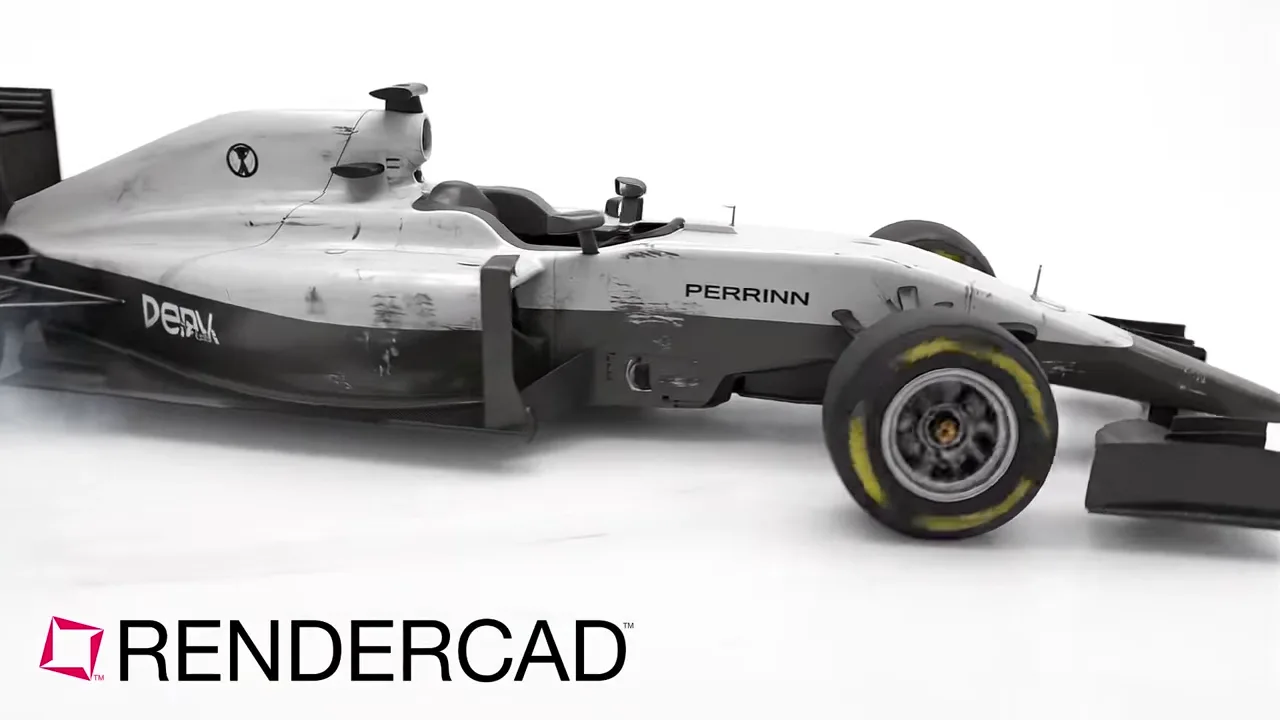
Presentation stills from CryEngine Sandbox levels and cinematic shots.
Real-time game engine with Sandbox tools for building levels, shaping and painting terrain, placing assets, editing materials, and staging cinematic sequences.


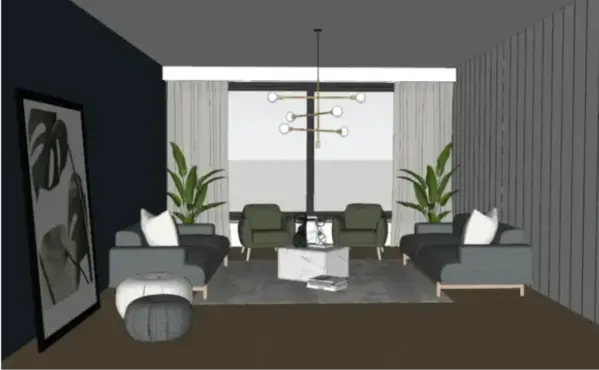
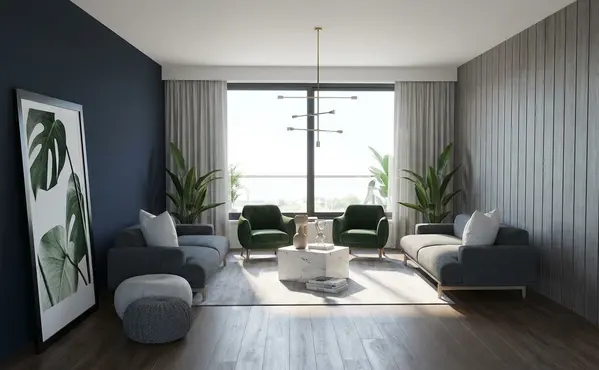


Real-time game engine with Sandbox tools for building levels, shaping and painting terrain, placing assets, editing materials, and staging cinematic sequences.
CryEngine environment artists, level designers, and small game teams can use RENDERCAD after a Sandbox scene already communicates its playable space, asset hierarchy, and intended mood but needs a more presentation-focused still. A clean Perspective viewport or a camera view from a TrackView sequence can show a terrain vista, interior, vehicle, hero prop, vegetation pass, or scripted moment with the scene's lighting and physically based material cues intact. That image gives RENDERCAD a grounded visual brief for exploring alternate presentation treatments for an art review, pitch deck, portfolio case study, storefront concept, or internal visual direction. It is especially useful when the team wants to discuss composition, atmosphere, material character, or the emphasis of a focal asset without changing the level during the conversation. RENDERCAD supports image presentation and iteration; Sandbox remains the source of truth for level layout, assets, materials, lighting setup, gameplay, performance, and final in-engine capture.
In CryEngine Sandbox, finish the scene pass that needs discussion before making the capture. Use the Perspective viewport for a level or asset overview, or use a shot prepared in TrackView when camera timing and staging matter. Frame the subject so the terrain silhouette, placed geometry, vegetation, water or sky context, and important material response can be read together. Avoid debug overlays, selection outlines, gizmos, and dense editor panels; a clean image lets the visual direction come through. Upload the capture to RENDERCAD and describe the intended outcome, such as a restrained environment review still, a dramatic key-art exploration, or a polished asset showcase. Compare the resulting images for composition and presentation ideas, then return to CryEngine to make any authoritative change to the level, camera, materials, or lighting. Use CryEngine's own capture and cinematic workflow for final game footage and approved in-engine imagery.
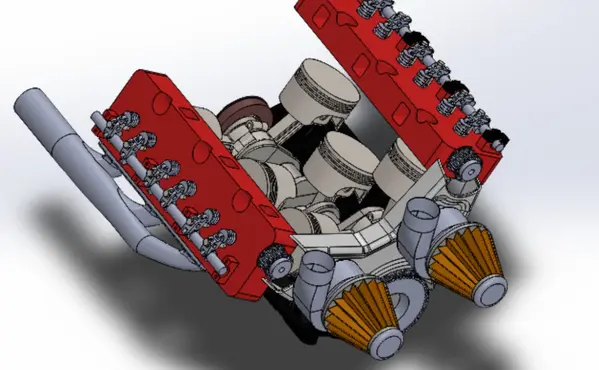
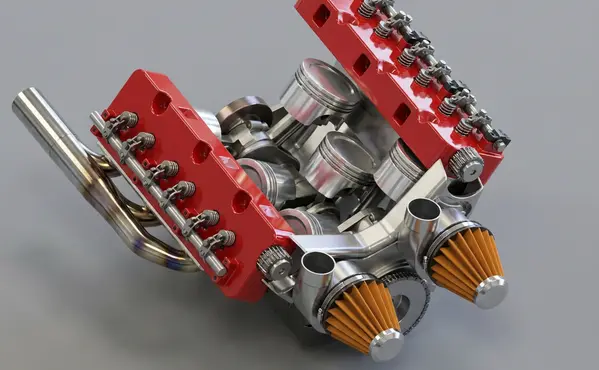
Modeled by CADSharp in Onshape. Rendered with RENDERCAD.
Add | Change | or Remove referenced objects with the stroke of a brush.
RENDERCAD uses a maintained selection of image-generation models for different rendering tasks. Results can vary by model and input, so compare generated output with the source design before relying on geometry, materials, or dimensions.
| Feature | RENDERCAD | Competitor |
|---|---|---|
| Engine | Generative AI | Varies by tool |
| Output | Images + Video | Varies by tool |
| Resolution | HD / 4K | Varies by workflow |
| Image Speed | Image renders complete in 60 seconds. | Varies by scene/tool |
| Video Speed | Videos complete in 2-5 minutes. | Varies by workflow |
| Scene Set Up | No separate local scene | Varies by workflow |
| Input | Screen Snip | Varies by tool |
| Hardware | Cloud GPU | Often local GPU/CPU |
| Install | None | Varies (web or app) |
| Cost | from $9/mo | Varies widely |
Read the numbers. We trust you to know theirs.
Skip a separate local scene build. Pick a condition, material, and background while RENDERCAD handles the image-generation step. Image renders complete in 60 seconds.
 ™
RENDERCAD™
™
RENDERCAD™
Use the browser workflow directly, capture a selected view with the desktop app, or start from the browser extension.
Get StartedCommon solutions for CryEngine users
Yes. RENDERCAD's Render Studio works on Safari or Chrome on Mac, allowing you to turn CAD screenshots, real photos, and hand drawings into pro renders easily.
Generating images or videos consumes credits. Your balance refreshes monthly based on your subscription plan.
RENDERCAD is standalone. You don't need a CryEngine rendering license - just the ability to view your model on screen.
RENDERCAD can place a clear viewport capture into a described lifestyle environment, such as a kitchen or office, and produce options for review.
The screenshot workflow uses image inputs, presets, and plain-language direction. Teams should still review generated output with the appropriate designer or product owner.
Use a condition preset or regional instruction to explore dust, scratches, or age. Generated wear patterns do not predict real product use.
A supported browser can submit a clear 2D input without a local rendering GPU.
The current desktop app or browser extension can capture a selected view and send the screenshot into RENDERCAD without a CAD rendering plugin.
Yes, if you are authorized to use them. Catalog images can guide a visual direction, but generated quality and product fidelity vary.
Mask the visible label area and attach authorized artwork as a reference to guide the generated mockup. Verify spelling, shape, color, placement, and perspective; add exact production artwork afterward in a graphics or packaging-design tool.
A reference can communicate palette, material, lighting, or composition more directly than text alone. Generated results still require review and may need additional iterations.
Describe the intended powder-coat color, gloss, and surface texture. Treat the generated finish as a visual direction and verify any production specification separately.